
Tezos Unveils Testnet Prototype for Quantum-Proof Private Transactions
Utilizing post-quantum cryptographic methods and zk-STARK proofs, the testnet platform safeguards encrypted transaction information against potential quantum computing threats in the future.
The development team working within the Tezos ecosystem has introduced a testnet prototype that enables private blockchain payments while offering protection against potential quantum computing threats. This launch comes amid mounting concerns that quantum technology advancements may ultimately undermine current blockchain privacy mechanisms.
TzEL, the name given to this prototype system, leverages post-quantum cryptography alongside zk-STARK proofs to safeguard transaction information and encrypted payment metadata. Without such protection, this data could fall victim to "harvest now, decrypt later" attacks—a scenario where encrypted blockchain information gathered today gets decrypted at a future date, Tezos explained.
Additionally, the prototype implements Tezos' Data Availability Layer to manage the expanded proof sizes that come with post-quantum cryptography. Development teams indicate this has represented one of the primary technical obstacles in creating scalable quantum-resistant privacy solutions onchain.
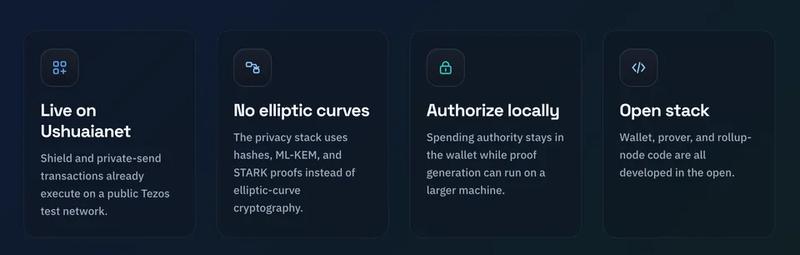
The project's whitepaper reveals that TzEL's quantum-resistant zk-STARK proofs measure approximately 300KB in size, representing a substantial increase compared to privacy proofs typically employed in current blockchain systems.
Currently operating on the Tezos testnet, TzEL continues under active development. Meanwhile, the wider Tezos (XTZ) ecosystem remains in its preliminary phases of migrating toward post-quantum cryptographic standards.
The crypto industry ramps up post-quantum security efforts
Throughout April, the cryptocurrency industry intensified its preparations for quantum computing risks, as worries persist regarding the long-term viability of blockchain cryptographic frameworks.
A test implementation of a post-quantum signature system named Falcon was introduced by two leading validator clients operating on the Solana (SOL) network. This system aims to shield the blockchain from future quantum computing dangers while keeping performance compromises to a minimum.
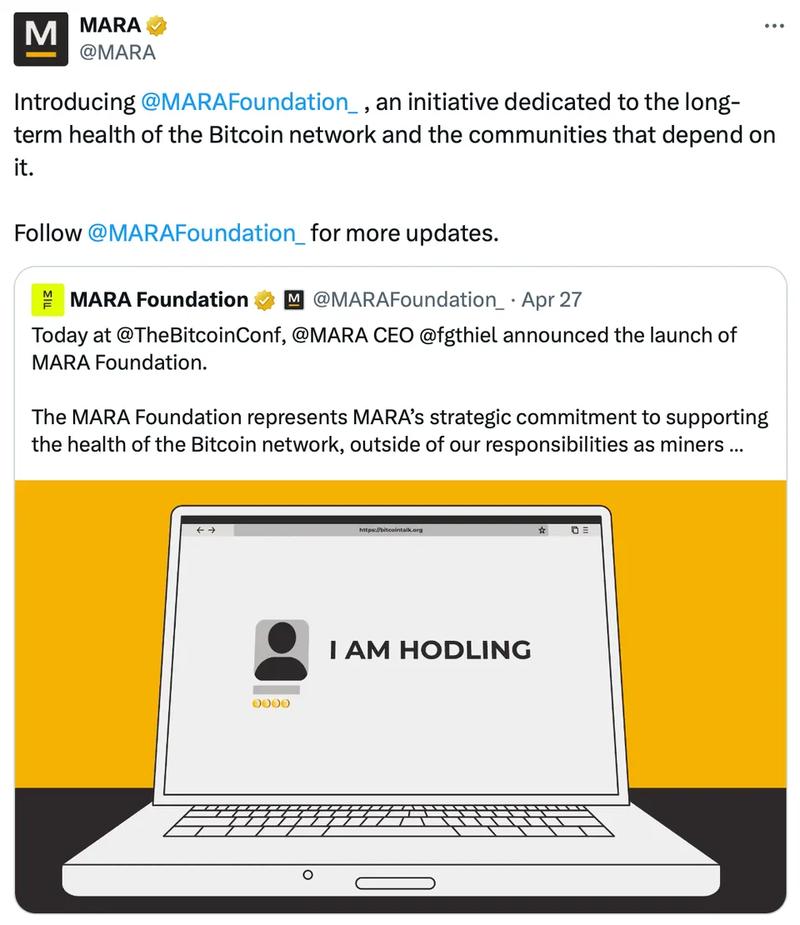
In parallel developments, MARA Holdings established the MARA Foundation to advance Bitcoin network development efforts, with a focus that includes investigating quantum-resistant security solutions.
Research analysts at Coinbase also noted that Algorand (ALGO) and Aptos (APT) seemed more advanced in their preparations for possible quantum threats, pointing to their initiatives to incorporate quantum-resistant cryptographic methods into their respective networks.
Nevertheless, these researchers cautioned that proof-of-stake blockchains might encounter heightened vulnerability to quantum computing dangers due to the signature mechanisms employed by network validators.
Researchers at Bernstein estimate that the cryptocurrency industry possesses approximately three to five years to migrate toward quantum-resistant cryptographic frameworks before quantum computing poses a genuine threat to Bitcoin (BTC) security.
Yet consensus remains elusive on this timeline. During May, Adam Back, an early cypherpunk and Bitcoin contributor, expressed his view that computing systems capable of compromising Bitcoin signatures likely remain at least 20 years away from realization.