
Early Bitcoin Miner From Satoshi Era Sends $203M Worth of BTC to OTC Platforms
An early-era Bitcoin miner has transferred 2,650 BTC valued at approximately $203 million to Cumberland and FalconX, maintaining a balance of 6,000 BTC.

An early Bitcoin whale from the Satoshi era has moved 2,650 Bitcoin valued at approximately $203 million to Cumberland and FalconX over-the-counter (OTC) trading platforms, representing an onchain movement that could indicate a potential sale or liquidity operation from the previously inactive Bitcoin mining entity.
The Bitcoin (BTC) miner from the early days executed the fund transfers through three separate transactions: two involving 1,000 BTC and a third carrying 650 BTC on Sunday, based on information from Arkham, a blockchain data analytics platform.
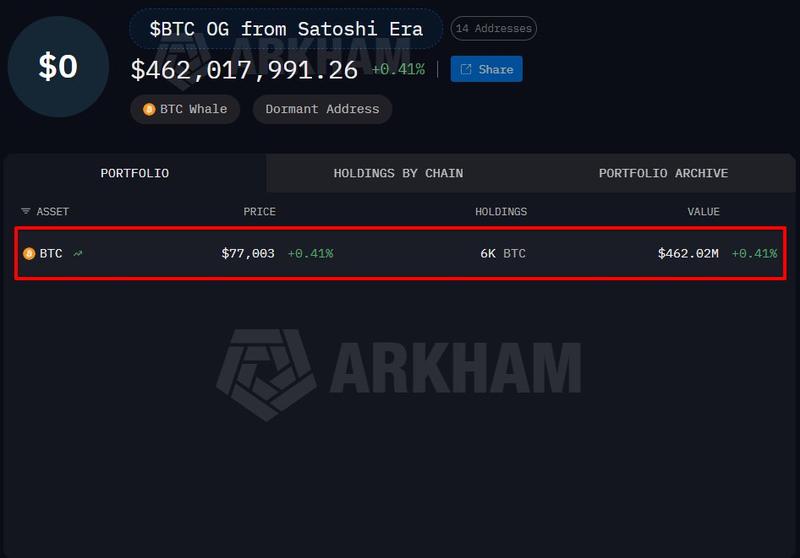
According to a Monday post on X by blockchain analytics platform Onchain Lens, the wallet address continues to maintain an additional 6,000 BTC valued at roughly $462 million.
When coins are transferred to over-the-counter trading platforms, it can indicate an upcoming sale or liquidity operation, although such transfers don't necessarily confirm that the Bitcoin has actually been sold. Major holders frequently utilize OTC platforms to gain access to enhanced liquidity while avoiding the placement of conspicuous sell orders on publicly visible exchange order books.
Veteran miner wallets receive significant attention as they represent a reservoir of long-inactive supply. Whenever coins from the Satoshi era are moved to institutional trading platforms, market participants frequently interpret this as a possible indication that early adopters are getting ready to decrease their holdings.
Bitcoin miners face profitability pressure
The transfer by the Satoshi-era Bitcoin mining entity took place while Bitcoin's price remained confined to a tight trading range throughout the previous month and experienced a decline of approximately 0.5% to reach $77,347 at the time of publication on Monday.
This price point sits substantially beneath the average production cost for Bitcoin miners of approximately $93,175 per BTC, based on data from TradingView. This situation demonstrates that mining operations currently liquidating their holdings at these price points are realizing losses when compared to their production expenses.
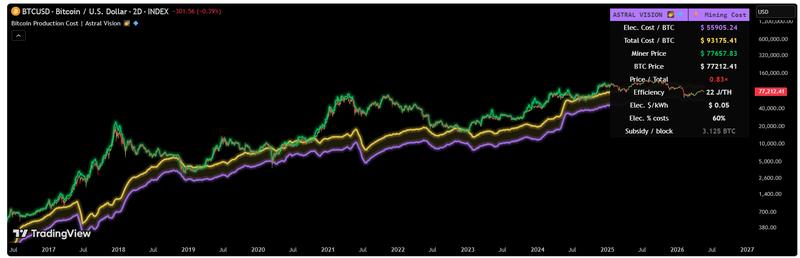
Nevertheless, alternative analytics platforms are presenting varying Bitcoin production cost calculations. Data from Capriole Investment placed the Bitcoin production cost at around $57,706, whereas research platform CryptoRank indicated that publicly traded miners maintained an average BTC production cost of approximately $74,600.
Whenever Bitcoin's trading price falls beneath this threshold, smaller-scale mining enterprises may face existential pressure, finding themselves compelled to liquidate their BTC at unfavorable prices to maintain operational funding. A March analysis from CoinShares revealed that approximately 20% of Bitcoin mining operations could be functioning at a loss, with those utilizing outdated mining hardware being particularly vulnerable.
Certain Bitcoin mining enterprises have begun adopting alternative revenue streams to mitigate financial challenges.
Digital infrastructure provider Soluna Holdings has balanced out some of its diminished Bitcoin mining income through its data center hosting operations, which produced $6.7 million in revenue during the first quarter, whereas cryptocurrency mining activities contributed approximately $2.2 million, representing a decrease from the nearly $3 million recorded in the previous year, as Cointelegraph reported on May 18.