Silicon Valley's Fenwick & West faces $525M legal action over FTX scandal involvement
A coalition of 20 FTX investors spanning five nations has initiated a $525 million legal action against Fenwick & West, claiming the prominent Silicon Valley legal practice facilitated fraudulent activities through corporate entity creation.
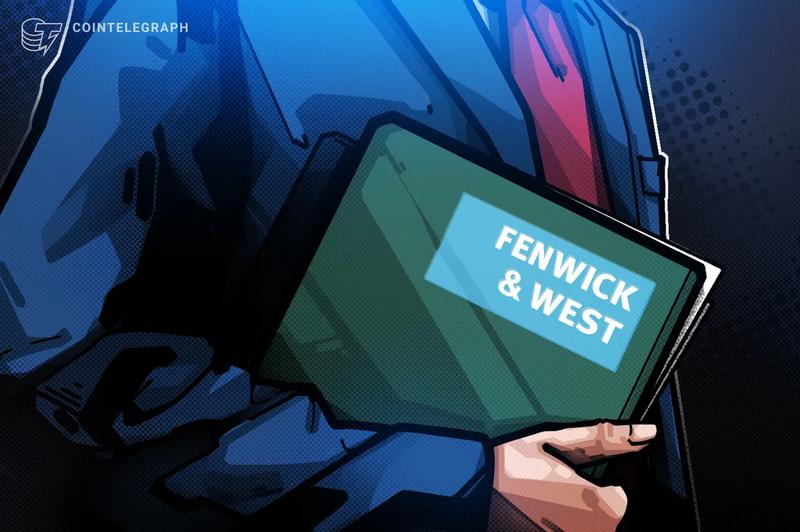
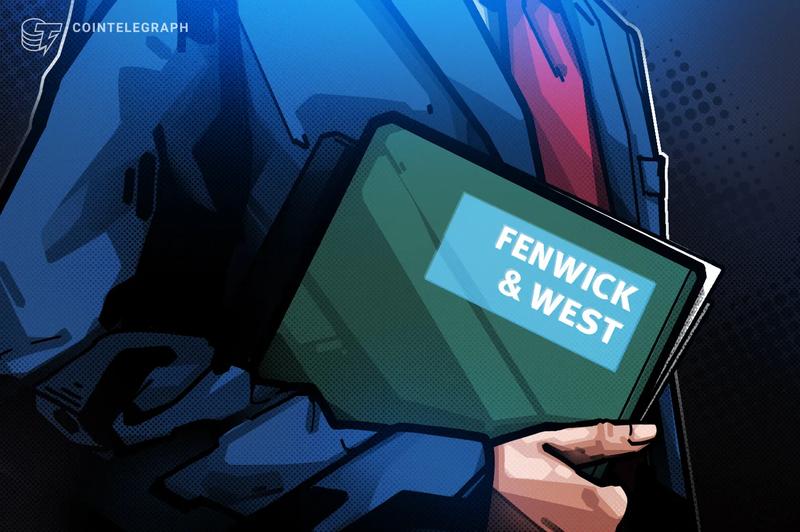
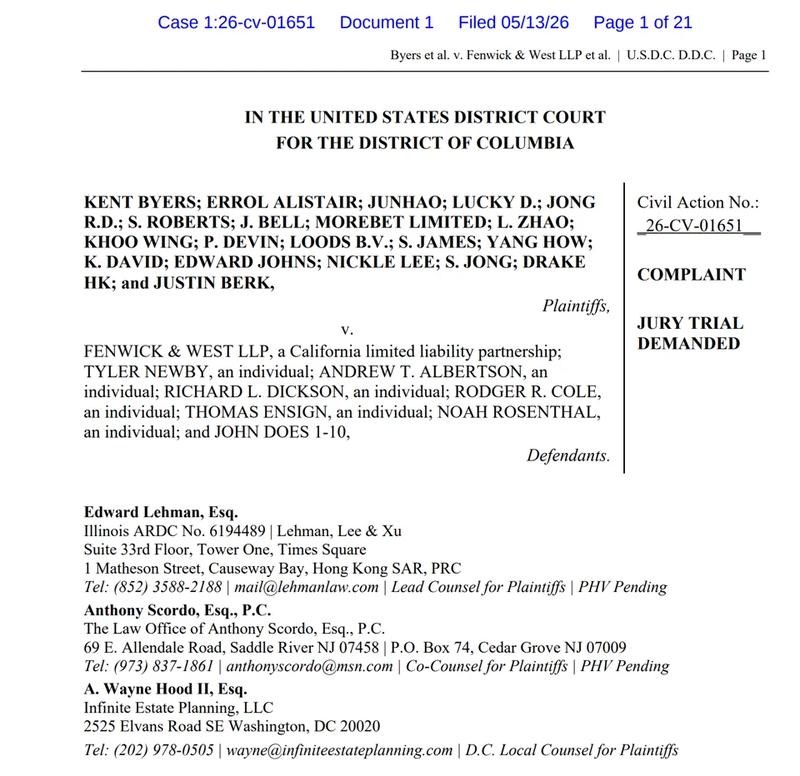
Twenty individuals across five different countries or jurisdictions have initiated legal proceedings worth $525 million against Fenwick & West LLP, a prominent technology-focused law firm in Silicon Valley, asserting that the firm played a role in obscuring fraudulent activities at FTX.
Filed this past Wednesday at the US District Court for the District of Columbia, the legal action targets the law firm along with six named individual defendants. Those bringing the suit assert they were left financially devastated following FTX's implosion, arguing that Fenwick's participation lent the cryptocurrency platform an unwarranted veneer of credibility that prevented them from withdrawing their investments.
Central to the allegations is sworn testimony provided by Nishad Singh, who previously served as FTX's director of engineering and admitted guilt to fraud-related charges before providing evidence during Sam Bankman-Fried's criminal proceedings. According to Singh's statements, he directly informed Fenwick lawyers that client assets were being improperly utilized, yet rather than severing ties, the firm provided guidance on concealment strategies.
The legal filing makes additional serious allegations. According to the plaintiffs, lawyers from Fenwick established North Dimension Inc., a Delaware-registered shell corporation that masqueraded as a consumer electronics business while actually channeling more than $3 billion in misappropriated customer assets. The firm is also accused of implementing FTX's Signal messaging auto-deletion protocol, the identical mechanism that federal prosecutors identified as instrumental in preventing detection by regulatory bodies and law enforcement.
Court-appointed examiner identified Fenwick as "intertwined" in FTX's misconduct
According to the complaint, a bankruptcy examiner appointed by the court, whose findings were published in 2024 following analysis of over 200,000 documents, determined that Fenwick developed the organizational frameworks for FTX and Alameda Research, established shell entities to mask financial flows, and created backdated documentation to legitimize unauthorized fund transfers. The examiner's conclusion characterized the firm as "deeply intertwined in nearly every aspect of FTX Group's wrongdoing," according to the legal filing.
"These findings are those of a court-appointed officer based on documentary evidence in federal bankruptcy proceedings to which Fenwick was a party," the lawsuit added.
Following FTX's bankruptcy filing in November 2022, Fenwick systematically removed every reference to the cryptocurrency exchange from its online presence. Additionally, the firm discreetly retained highly regarded defense counsel from Gibson Dunn prior to facing any civil litigation, according to the complaint.
The individuals bringing the lawsuit have presented seven separate legal claims against Fenwick, encompassing professional malpractice, fraudulent conduct and gross negligence. Their demands include compensatory damages surpassing $525 million, restitution of all attorney fees that Fenwick collected from FTX and punitive damages directed at partners Tyler Newby and Daniel Friedberg for "deliberate and reckless individual professional conduct."
Court rejects SBF's request for new trial
In recent weeks, a federal judge rejected Bankman-Fried's request for a new trial, characterizing his assertions of newly discovered evidence as completely meritless. Judge Lewis Kaplan, who imposed a 25-year prison sentence on the disgraced FTX CEO in 2024, stated that Bankman-Fried's contention that three previous FTX executives could undermine the prosecution's case lacked any foundation, observing that he had long-standing relationships with all three potential witnesses prior to trial proceedings.
Bankman-Fried had contended that Ryan Salame and Daniel Chapsky possessed the ability to dispute the prosecution's assertions regarding FTX's financial solvency, and further claimed that Nishad Singh modified his testimony due to prosecutorial coercion. Kaplan rejected these assertions as "wildly conspiratorial and entirely contradicted by the record."