BTC Soars Past $81,000 Amid Rising US Treasury Yields and Oil Market Turmoil
The leading cryptocurrency surges over 6% to reclaim the $81,000 level while market watchers predict a critical test of resistance zones last seen in mid-May.

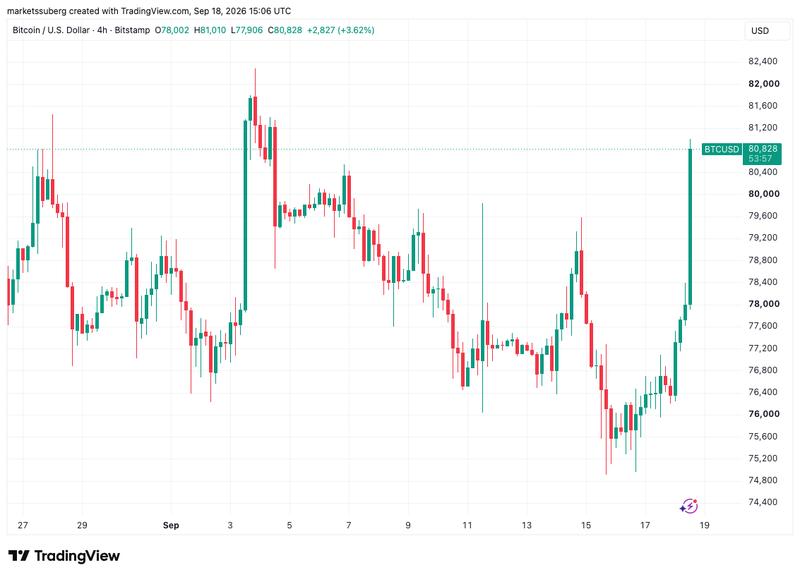
Bitcoin (BTC) broke through the $80,000 threshold around the opening bell on Wall Street Friday, driven by escalating concerns about the global fuel supply crisis that rippled across international markets.
Key points:
- Bitcoin rallied 6% during Friday's trading session while oil supply concerns triggered a reversal in US bond yields, pushing them higher.
- Short positions worth $250 million across cryptocurrency markets were liquidated within a four-hour window.
- The current BTC price trajectory is now approaching the same resistance barriers initially tested during May.
Bitcoin rallies 6% alongside climbing US Treasury yields
Information from TradingView revealed BTC/USD capturing upside liquidity zones, achieving local peak values of $81,034 on the Bitstamp exchange.
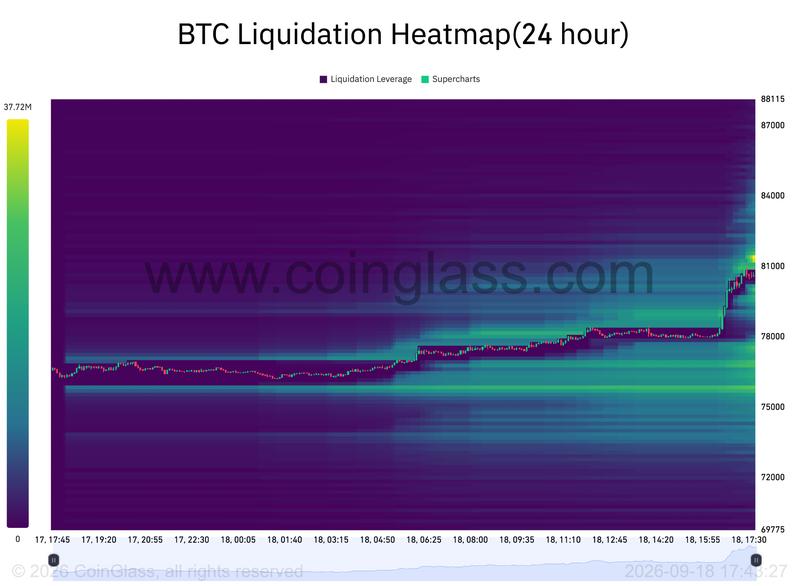
A concentration of short positions positioned above current spot prices came under pressure as prices rose. According to data provided by CoinGlass, total short liquidations across cryptocurrency markets reached approximately $250 million during a four-hour period.
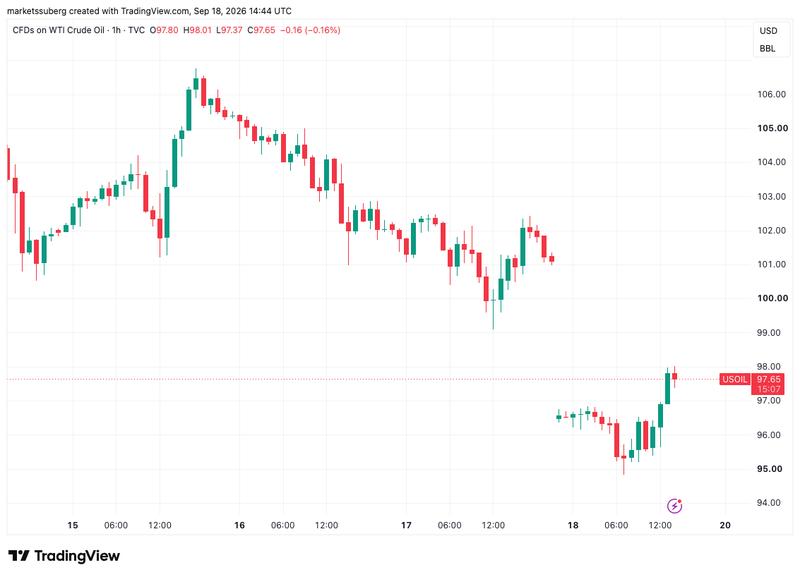
West Texas Intermediate crude oil dropped to its lowest point at $94.8 per barrel before recovering during Asian market hours. At the time of publication, WTI is trading around $98.
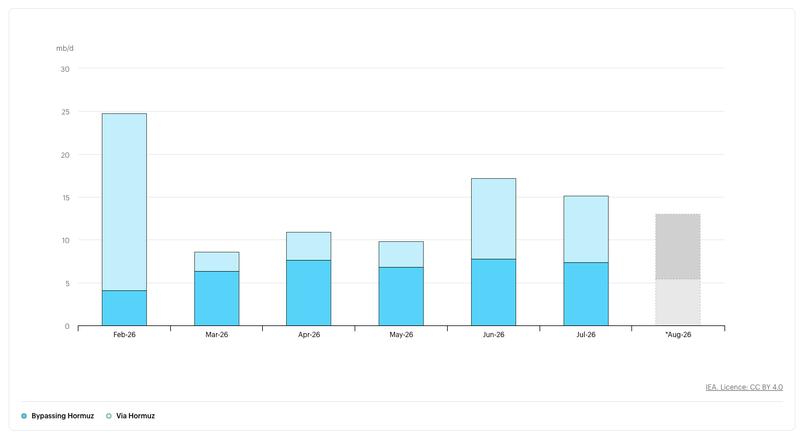
A Friday report published by the International Energy Agency (IEA) cautioned that nations may be forced to reduce consumption. The IEA released 400 million barrels from emergency stockpiles in March following the Strait of Hormuz closure.
Prices for crude and oil products had eased from their April peaks in the months that followed as emergency IEA stocks were released, Strait of Hormuz bypass routes boosted Middle East exports, producers outside the region raised output, flows out of the Persian Gulf partially recovered and global demand softened.
But if Gulf supplies remain constrained in the coming months and commercial inventory buffers continue to deplete rapidly, higher prices and further demand reductions may be required to close the supply-demand gap.
According to the report's calculations, oil flowing through the Strait of Hormuz reached 7.6 million barrels per day during August, representing a decrease of 13.1 million barrels compared to daily volumes recorded before the conflict between the US and Iran.
Treasury yields in the United States climbed once more as oil market uncertainty persisted. The 30-year US bond yield hit 5.34% during the trading day, representing an increase of 90 basis points.
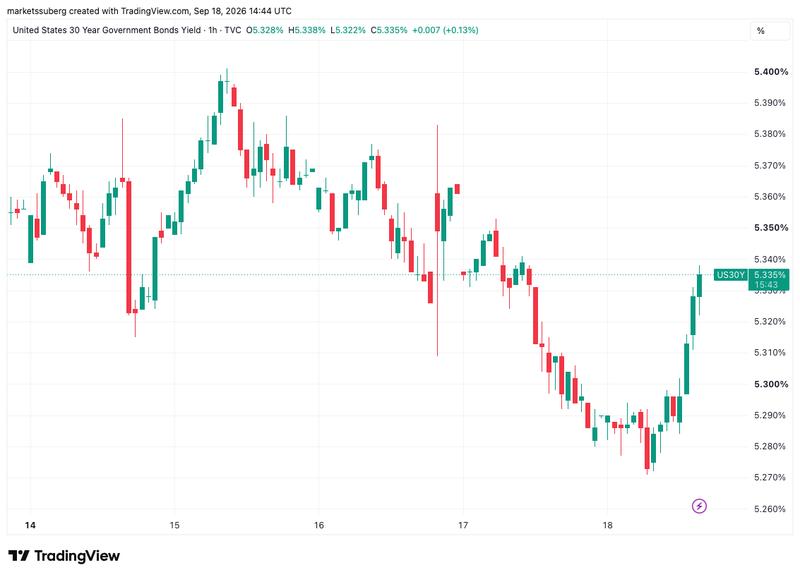
Previously, Cointelegraph covered how increasing bond yields across several countries compelled central banking authorities to implement interest rate hikes — actions observed in both the United States and Japan during the current week.
Market analyst warns Bitcoin price approaches critical breakout moment
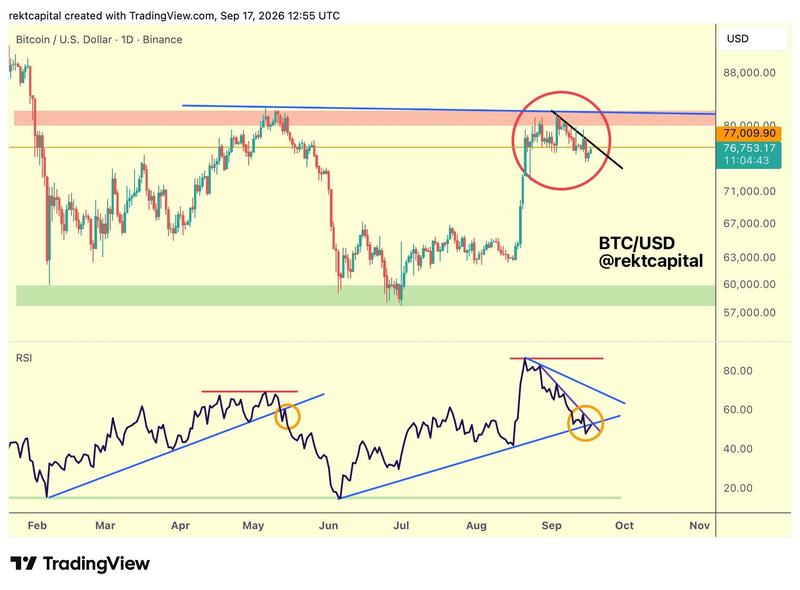
Providing analysis on short-term BTC price movements, trading expert and analyst Rekt Capital indicated that bullish traders have arrived at a "moment of truth."
An analytical chart posted to X identified the $82,000 level as critical for BTC/USD to successfully surpass. Failure to breach this threshold would create a double rejection formation in combination with the price behavior that concluded the mid-May rally attempt.
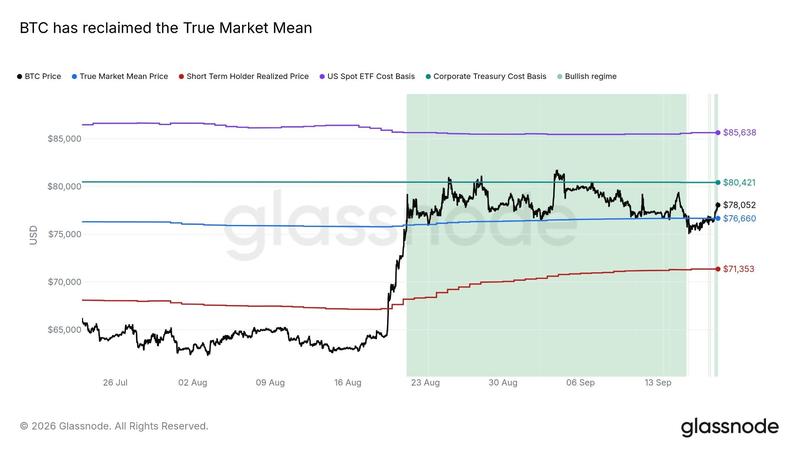
The recent upward movement in Bitcoin allowed it to recapture its True Market Mean, representing the combined cost basis of all coins purchased through secondary market transactions, which presently stands at $76,660.
That puts price back above a crucial level and back into a bullish regime,
onchain analytics platform Glassnode told X followers on Friday
The average acquisition cost for Bitcoin held in corporate treasury reserves currently sits at $80,500, adding another layer of importance to the present local trading range.