
Base Layer-2 Network Adopts Independent Architecture for Enhanced Efficiency
The layer-2 blockchain Base is migrating its technical infrastructure to a consolidated architecture designed to accelerate system updates and streamline ongoing development efforts.

On Wednesday, Base, a decentralized layer-2 network built for scaling Ethereum, announced its transition away from the Optimism blockchain protocol's technology stack toward its own unified software architecture.
Having debuted in 2023 as a chain powered by Optimism, Base is now making the shift to proprietary technology infrastructure with the goal of minimizing reliance on third-party service providers and accelerating the deployment timeline for network enhancements, the Base team revealed in their official announcement. According to the team:
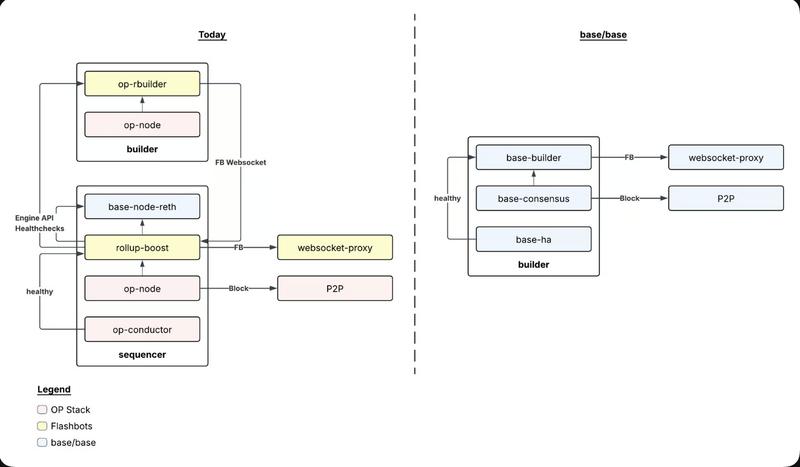
"Consolidating into Base changes how Base packages and releases software for the network. We will ship one official distribution for each upgrade: a single Base binary for operating nodes on the network."
This architectural transformation is also anticipated to streamline the sequencer component of the Base network, a critical mechanism that assists validators in organizing and ordering blockchain transactions, the Base engineering team explained.
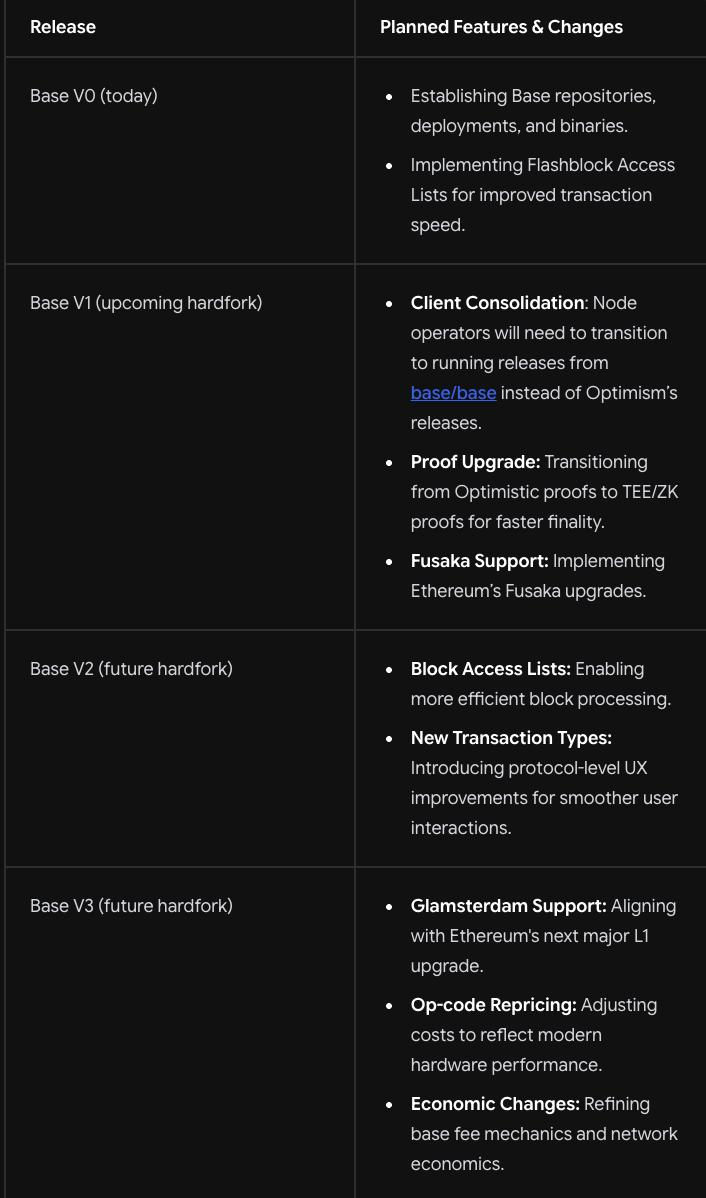
The implementation will unfold across four distinct phases, as outlined in the project's published roadmap, requiring node operators to migrate to the new Base client throughout the coming months to receive official system upgrades.
Ethereum co-founder changes tune on layer-2 scaling networks
In early February, Vitalik Buterin, who co-founded the Ethereum layer-1 blockchain network, made a notable shift in his perspective regarding the strategy of scaling Ethereum via layer-2 solutions.
According to Buterin, layer-2 networks are requiring more time than originally anticipated to achieve fully decentralized operational models. He noted that Ethereum's layer-1 infrastructure is already demonstrating scaling capabilities independently while experiencing historically low transaction fees.
"The original vision of L2s and their role in Ethereum no longer makes sense, and we need a new path," Buterin said in February.
The remarks from Buterin generated varied responses across the layer-2 development community, with certain teams acknowledging that scaling solutions need to evolve beyond simply offering a more cost-effective execution environment for Ethereum transactions.
"It's great to see Ethereum scaling L1 - this is a win for the entire ecosystem. going forward, L2s can't just be 'Ethereum but cheaper,'" Base founder Jesse Pollak said in response.

Meanwhile, other leaders of layer-2 projects maintain the position that their scaling solutions are already operating in accordance with Ethereum's strategic objectives for long-term growth.
According to data from L2Beat, there are currently more than 128 distinct Ethereum layer-2 scaling networks operational at the time of publication.