
Insurance Giant Aon Partners with Coinbase and Paxos to Trial Blockchain Premium Payments
Major insurance brokerage firm launches experimental program accepting premium payments via USDC and PYUSD stablecoins, exploring blockchain technology for accelerated settlement processes across international insurance operations.

One of the globe's most prominent insurance brokerage firms, Aon, has begun experimenting with stablecoin-based premium payments, underscoring the expanding integration of digital currency infrastructure into conventional finance following last year's enactment of the GENIUS bill.
According to an announcement released on Monday, the United Kingdom-headquartered Aon revealed the successful completion of an experimental program that processed insurance premium settlements for customers, such as Coinbase and Paxos, utilizing USDC (USDC) on the Ethereum network and PayPal USD (PYUSD) on the Solana blockchain.
Tim Fletcher, who serves as CEO of Aon's financial services division, stated that the experimental initiative represents the organization's commitment to investigating stablecoins as a viable payment infrastructure, forecasting that tokenized financial instruments will see increasingly widespread adoption across financial operations.
According to Aon's statement from August, the company's research indicated that 120 re-insurance companies recorded approximately $2 trillion in gross written premium during 2024.

Rather than transmitting payments via conventional banking wire transfers, the premium payments were executed using stablecoins operating on blockchain infrastructure. The experimental program illustrates how institutions within the financial sector are testing blockchain-based settlement mechanisms as alternatives to exclusive dependence on traditional payment frameworks.
This methodology presents potential ramifications for the insurance sector, where premium transactions conventionally flow through banking institutions, clearing mechanisms and international wire transfer systems — procedures that frequently require multiple days to complete, especially when dealing with international transactions. Transfers conducted through stablecoins have the capability to achieve settlement in a matter of minutes.
The experimental program did not introduce a novel insurance offering or blockchain-native policy instrument. The core insurance protection remained identical, with the sole modification being the implementation of stablecoins for completing the premium payment settlements.
Stablecoins gain traction among financial institutions
The pilot program from Aon emerges during a period of increasingly favorable regulatory conditions for stablecoins in the wake of the GENIUS Act's passage, which created a federal regulatory structure for the issuance and oversight of dollar-pegged stablecoins within the United States.
This advancement signals a more comprehensive transformation as established financial institutions progressively investigate stablecoins for payment processing and settlement infrastructure applications. Multiple prominent banking organizations, including Barclays, JPMorgan Chase, Bank of America and Citigroup, have either publicly confirmed their involvement or are reportedly engaged in different phases of constructing stablecoin solutions or tokenized payment platforms.
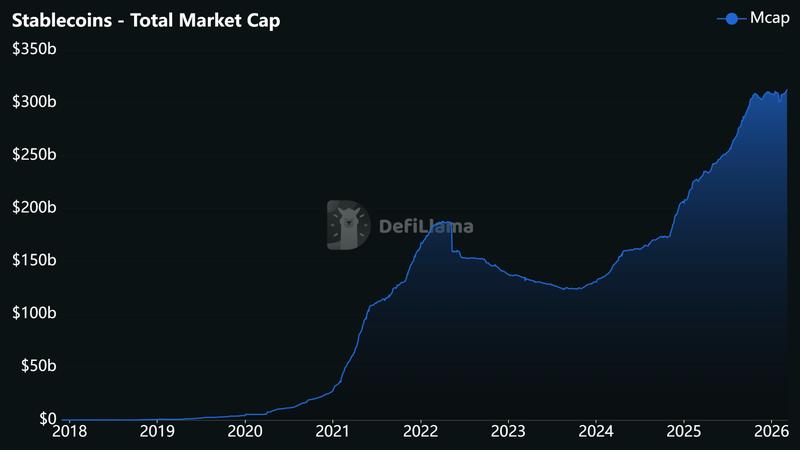
Concurrently, organizations originating within the cryptocurrency ecosystem are broadening their presence in the stablecoin payment infrastructure space. As an illustration, Ripple has actively developed technological infrastructure designed to facilitate stablecoin custody services, settlement operations and treasury administration capabilities for institutional clients.