
Theo Secures $100M Funding Facility for Gold-Backed Yield-Generating Stablecoin
An innovative stablecoin linked to gold commodities seeks to deliver returns as financial institutions look beyond Treasury-based digital tokens.

The tokenization platform Theo has secured $100 million through a structured investment facility designed to support its yield-generating stablecoin known as thUSD, highlighting the increasing institutional interest in digital currencies connected to alternative yield mechanisms rather than traditional US Treasurys.
In a conversation with Cointelegraph, Theo's co-founder Ari Pingle explained that the financing was secured via a structured facility called the Genesis Vault, which hit its maximum capacity of $100 million in under 24 hours. The capital was placed into the facility specifically to facilitate thUSD's market entry, as opposed to serving as traditional venture capital investment for Theo itself.
The firm employs the deposited capital to acquire tokenized gold assets while concurrently establishing short positions in gold futures contracts on the CME, creating a hedge against fluctuations in gold prices. This approach is engineered to minimize exposure to the volatility inherent in gold pricing while capturing yield through gold financing mechanisms and the spreads available in futures markets.
According to Pingle, Theo achieved an average annualized return of 8.27% throughout 2025 utilizing this approach and aims for returns ranging from 5% to 12%, with performance varying based on prevailing market conditions.
Although gold-backed stablecoins represent a relatively emerging category, multiple blockchain initiatives have created tokens supported by physical bullion holdings, such as Tether Gold and Paxos Gold. In contrast to stablecoins pegged to the dollar, these digital assets fluctuate with gold's market value, with individual tokens commonly representing one troy ounce of bullion stored in vaults.
The company's investor roster features Hack VC and Anthos Capital, alongside angel investors with backgrounds at Jane Street, Optiver and JPMorgan, as disclosed in a company statement.
The tension over "yield" under US GENIUS Act
The product introduction arrives at a time when yield-bearing stablecoins have experienced increased adoption in the wake of recent regulatory changes within the United States.
The GENIUS Act imposes limitations on payment stablecoin issuers, preventing them from sharing yield derived from reserve assets like Treasury bills with token holders. According to Theo, thUSD operates differently because its returns originate from the underlying trading mechanisms and asset architecture rather than interest payments made by the issuer.
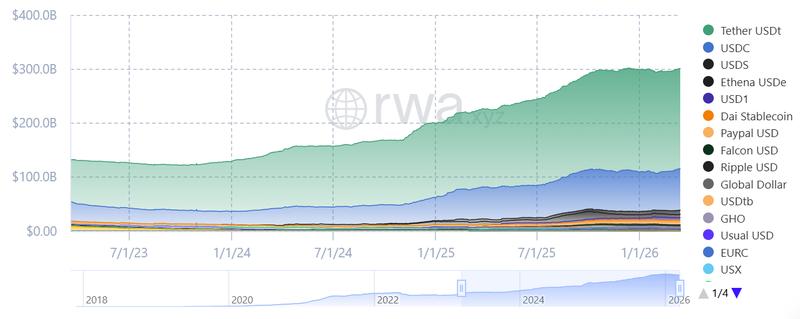
"The GENIUS Act restricts issuers of payment stablecoins from paying yield to holders simply for holding the token. The intent is to prevent stablecoins from functioning like interest-bearing bank deposits," Pingle explained to Cointelegraph, clarifying that this limitation specifically targets "issuer-paid yield on payment stablecoins backed by reserves like T-Bills."
He added:
"Products structured around tokenized assets or separate financial primitives can generate yield differently, because the return comes from the underlying asset or system rather than from the issuer distributing reserve income. thUSD falls into that latter category."
Despite this distinction, ongoing discussions surrounding stablecoin yield within the United States continue to influence wider cryptocurrency market structure deliberations in Washington, where legislative officials and banking institutions maintain differing perspectives on whether third-party entities should have authorization to provide yield on stablecoin balances.