Satlantis Unveils Event Ticketing Solution with Native Bitcoin Lightning Integration
Event organizers can now embed Bitcoin Lightning wallets directly into their events through this new platform, enabling ticket sales and cryptocurrency payments in addition to traditional fiat options.

A new Bitcoin-focused events and ticketing platform called Satlantis has made its debut, featuring integrated Lightning wallets that are automatically embedded within both user accounts and individual events. This architecture enables event organizers to distribute tickets and collect payments in Bitcoin while reducing dependence on conventional payment processing infrastructure.
In an announcement provided to Cointelegraph, the platform was described as operating with similar functionality to established services such as Luma and Eventbrite, incorporating features like ticket tier management, attendee administration and customizable event pages. The key differentiator is the automatic creation of a dedicated Bitcoin (BTC) wallet for every event, streamlining direct payment collection and fund withdrawal processes.
The platform has also incorporated Stripe integration to handle fiat currency transactions and has announced intentions to incorporate stablecoin capabilities in the future. This multi-payment approach enables event organizers to accept Bitcoin, conventional currencies or a combination of both payment types through a unified management interface.
Information from Satlantis's crowdfunding page reveals that the startup has secured backing from notable investors including Bitcoin Opportunity Fund and Timechain Capital, a venture capital firm that specializes in funding Bitcoin infrastructure development projects.
Using Lightning Network to cut fees
According to the company, this business model represents a strategy to minimize ticketing transaction fees while simultaneously broadening accessibility in geographical regions where conventional payment infrastructure remains underdeveloped. The platform leverages Bitcoin's Lightning Network to facilitate cost-effective, international payment transfers.
As a layer-2 protocol constructed on top of the Bitcoin blockchain, the Lightning Network facilitates accelerated, more economical transactions through off-chain payment processing mechanisms.
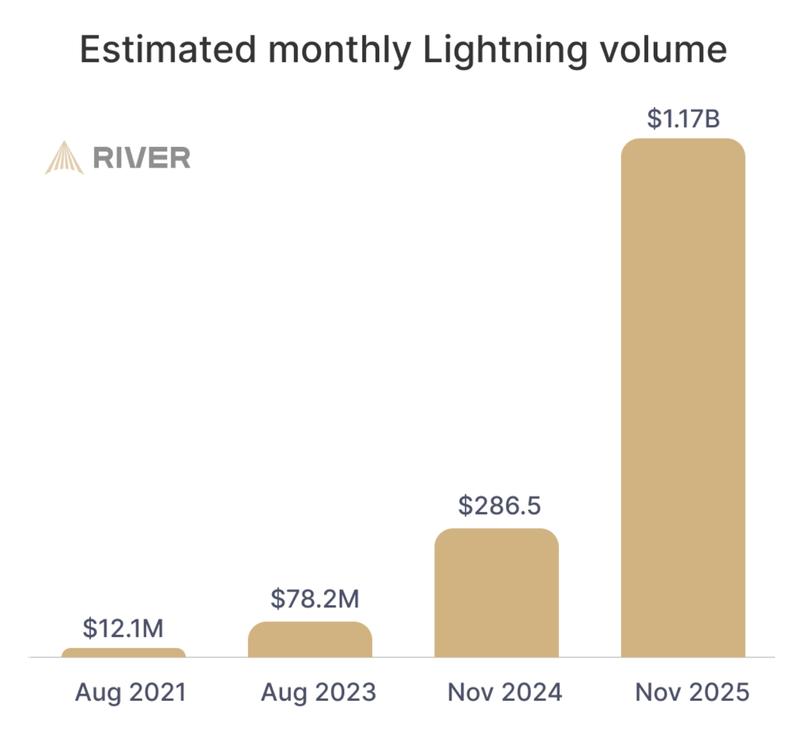
Based on data recently highlighted by River marketing director Sam Wouters, the Lightning Network's transaction volume achieved approximately $1.1 billion spanning 5.2 million individual transactions during the month of November.
Crypto's expanding role in ticketing and live events
The push to incorporate cryptocurrency into the ticketing industry has historical roots that extend back before many contemporary Web3 platforms emerged, with professional sports franchises and travel industry companies conducting digital-asset payment experiments for over a decade.
Within the sports sector, the Sacramento Kings earned the distinction of becoming the first NBA franchise to embrace Bitcoin for ticket purchases and team merchandise sales in 2014. The Dallas Mavericks joined this movement in 2019 following owner Mark Cuban's public indication of plans to facilitate crypto payment options, eventually enabling supporters to buy game admission tickets using Bitcoin.
In addition to simply accepting cryptocurrency payments, blockchain technology companies are conducting experiments to transform how live events secure financing and complete settlement processes. TIX, the onchain settlement network developed by KYD Labs, seeks to transform tickets into tokenized real-world assets that provide access to advance capital while automating repayment transaction flows.
Leading international sporting organizations have similarly investigated blockchain-powered ticket-related products and services. FIFA, the worldwide governing authority for soccer, has conducted experiments with non-fungible token (NFT) programs connected to its competitive tournaments. NFTs represent unique blockchain-based tokens that authenticate ownership of specific digital assets.
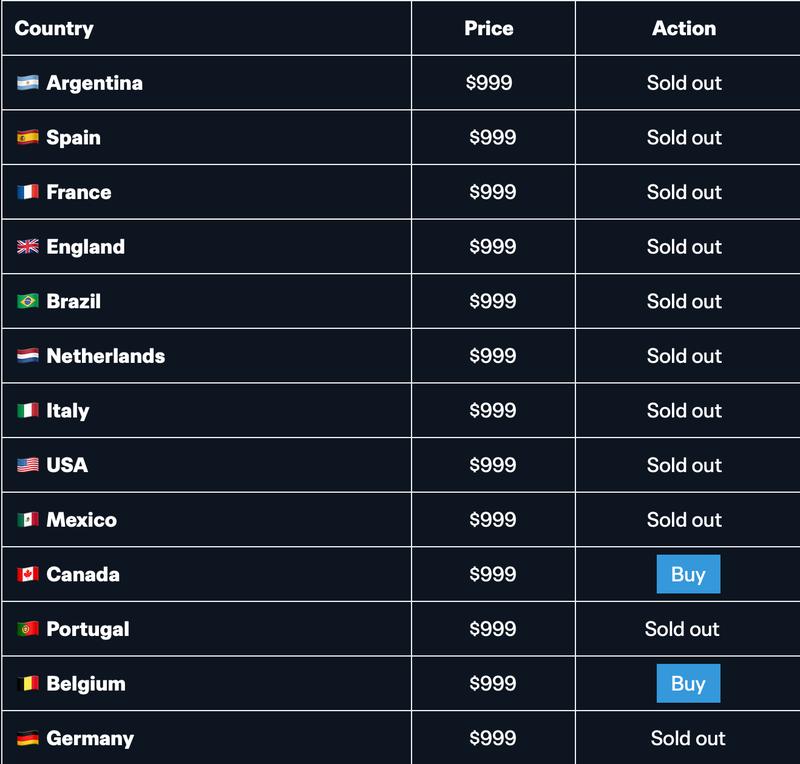
In preparation for the 2026 World Cup, FIFA introduced "right-to-buy" NFTs that provide holders with an exclusive purchasing window to acquire match tickets at standard face value when predetermined conditions are satisfied. These tokens do not function as actual tickets but possess tradability on FIFA's dedicated NFT marketplace platform.