Polymarket transitions to USDC-backed collateral token in major infrastructure upgrade
The prediction platform is rolling out a comprehensive infrastructure update over the next several weeks, bringing new smart contracts and a USDC-backed collateral token while retiring its bridged stablecoin option.

Polymarket, the decentralized prediction market platform, is undertaking a comprehensive overhaul of its exchange infrastructure in the weeks ahead, rolling out a fresh collateral token alongside an enhanced trading framework that provide the platform with increased authority over settlement processes and risk management as it works toward better compliance with United States regulatory frameworks.
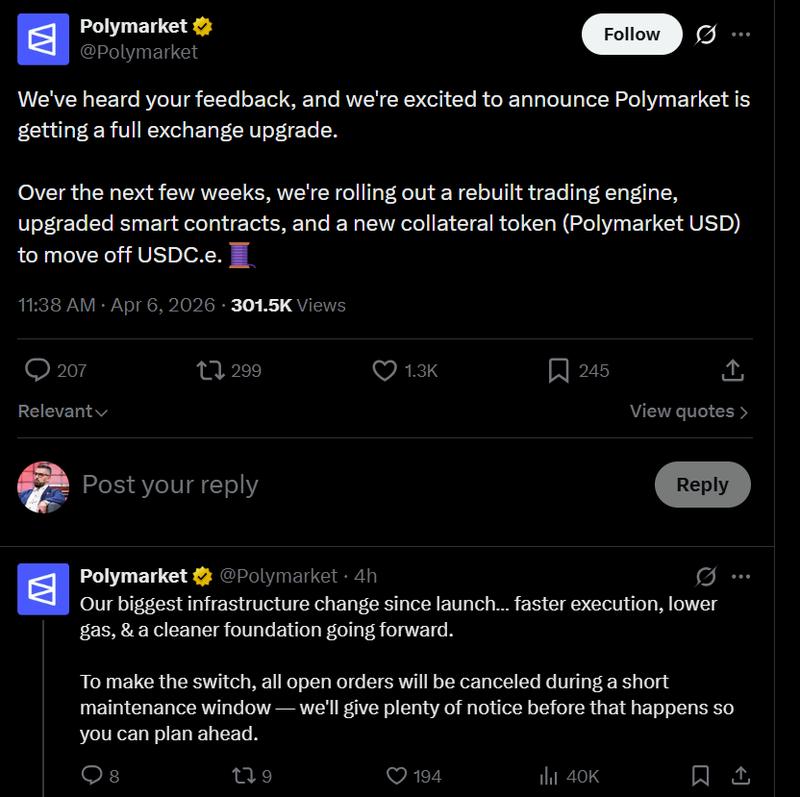
According to a Monday announcement from Polymarket, the platform will roll out new exchange contracts — referred to as version 2 — engineered to streamline the way orders are organized and executed. This infrastructure enhancement aims to boost trading efficiency while simultaneously making it more straightforward for developers to integrate applications and automated trading bots with the platform.
The updated system will additionally incorporate support for EIP-1271, an Ethereum specification that enables smart contract-powered wallets, including multisignature wallets and automated trading mechanisms, to authorize transactions, thereby broadening compatibility beyond conventional wallet solutions.
At the heart of this infrastructure upgrade is the rollout of Polymarket USD, a fresh collateral token that will take the place of USDC.e, the bridged variant of USDC that was previously utilized on the platform. This new token maintains a full 1:1 backing by USDC, providing Polymarket with more immediate control over its settlement infrastructure while minimizing dependence on bridged asset solutions.
The majority of platform users will experience an automated transition through the platform's user interface, with only a single approval transaction required on their part.
The infrastructure enhancement is anticipated to deploy across the coming weeks, although the organization has not disclosed a precise launch timeline.
US regulatory approval shapes Polymarket expansion
This infrastructure transition comes alongside Polymarket's wider initiatives to reduce manipulation and insider-trading vulnerabilities, as the platform works to enhance market integrity and move toward closer alignment with regulatory standards in the United States.
In November, Polymarket secured approval from the Commodity Futures Trading Commission to operate an intermediated trading platform in the United States, paving the way for its reentry after having previously withdrawn from the market.
In the wake of that regulatory approval, Polymarket announced its intention to onboard brokers and customers directly and facilitate trading through regulated US venues.
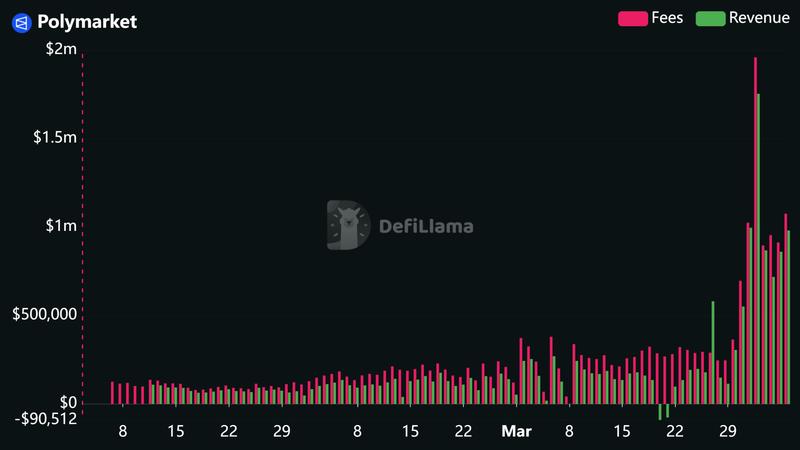
The appetite for prediction markets has maintained its upward trajectory, with platform users increasingly utilizing these venues to trade on real-world outcomes connected to politics, markets and policy. Industry data shows Polymarket's fee revenue increasing in recent weeks after the platform expanded trading fees.