
MoneyGram expands blockchain presence by becoming Solana network validator
The global money transfer giant is now staking SOL tokens and validating transaction blocks as the worldwide remittance sector experiences rapid stablecoin adoption.

MoneyGram has taken on the role of a validator on the Solana blockchain network, enabling the global remittance provider to actively participate in network security operations and transaction processing.
Through its validator operations, the money transfer company is now staking SOL (SOL), Solana's native cryptocurrency token, while processing blocks of transactions. Additionally, MoneyGram has enrolled in the Solana Developer Platform, an initiative designed to assist companies in developing financial applications on the blockchain network.
According to MoneyGram, the company currently leverages blockchain infrastructure and stablecoins throughout its treasury management, product development initiatives and payment processing operations, following over five years of incorporating digital assets into its business operations. The company provides services to more than 60 million customers through a network of nearly 500,000 retail locations spanning the globe.
This validator initiative comes after MoneyGram's May introduction of MGUSD, a stablecoin pegged to the US dollar on the Stellar blockchain network. This digital asset allows users to maintain digital-dollar balances, conduct international fund transfers and exchange them into local currencies via the MoneyGram mobile application.
Remittance companies expand stablecoin adoption
MoneyGram's validator launch arrives during a period of widespread stablecoin adoption throughout the remittance sector, with companies progressively embracing blockchain networks as channels for international money transfers.
During May, Western Union introduced its dollar-backed digital currency USDPT on Solana's blockchain. According to the company, this token made its initial debut in Bolivia and the Philippines, with plans to extend availability to over 40 countries throughout 2026.
During his presentation at Bitso's stablecoin conference held in Mexico City the previous week, Malcolm Clarke, Western Union's vice president of Digital Assets, discussed how the newly launched stablecoin has the potential to transform the financial dynamics of funding and settling transactions throughout its worldwide remittance infrastructure while facilitating continuous, 24/7 money movement capabilities.
Clarke revealed that the company handles over $100 billion in annual transaction volume and calculated that prefunding requirements, dormant capital and banking fees account for between 6% and 9% of these transaction flows. He explained that utilizing stablecoins for settlement purposes, when combined with returns generated from the reserve assets that back these stablecoins, could alternatively yield profit margins of approximately 2% to 3%.
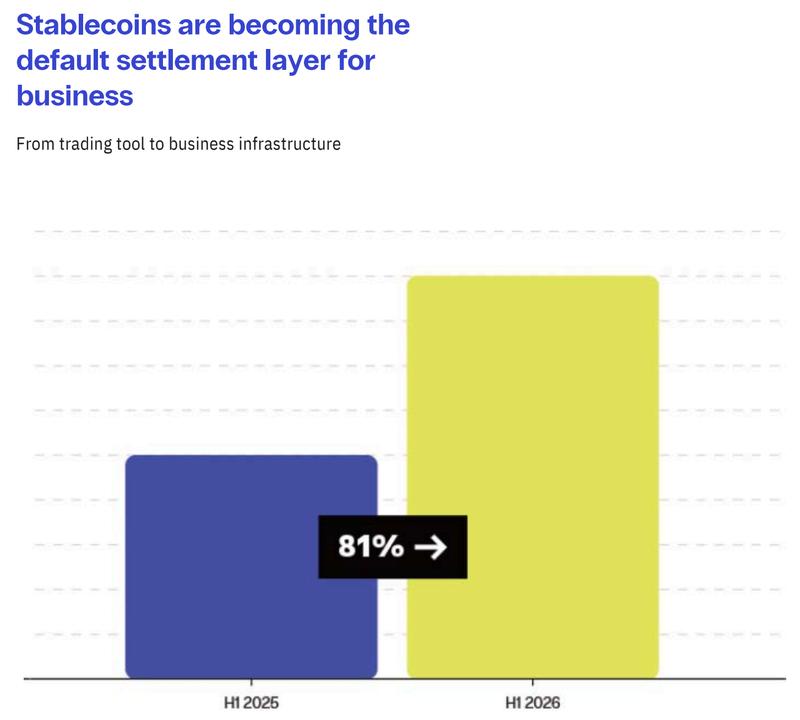
Outside the remittance space, stablecoins are experiencing increased adoption as instruments for treasury management and settlement purposes. Based on Bitso's Stablecoin Landscape in Latin America report covering the first half of 2026, stablecoin transaction volumes among the cryptocurrency exchange's institutional client base increased 81% on a year-over-year basis, propelled by liquidity management needs, cross-border payment activities and treasury operations.
The adoption of stablecoins is similarly building momentum within Africa's payments industry. During the previous week, Ripple purchased an ownership stake in Flutterwave, an African financial technology company that provides cross-border payment services across 35 countries. Flutterwave announced intentions to incorporate Ripple's RLUSD stablecoin, Ripple Payments infrastructure and the XRP Ledger technology into its existing payment network.