
Institutions gain ability to leverage SOL collateral while maintaining custody through Anchorage-Kamino partnership
Institutions can now access loans using staked SOL as collateral without relinquishing qualified custody, as the framework emerges amid ongoing US regulatory discussions on DeFi.

A collaboration between Anchorage Digital, Kamino, and Solana Company has introduced a framework enabling institutional investors to access loans backed by staked Solana tokens while maintaining assets within regulated custody arrangements, potentially resolving a significant barrier between conventional financial institutions and decentralized lending platforms.
According to a Friday statement, Anchorage revealed that the project extends the capabilities of its Atlas collateral management platform through integration with Kamino, a decentralized lending protocol operating on the Solana blockchain.
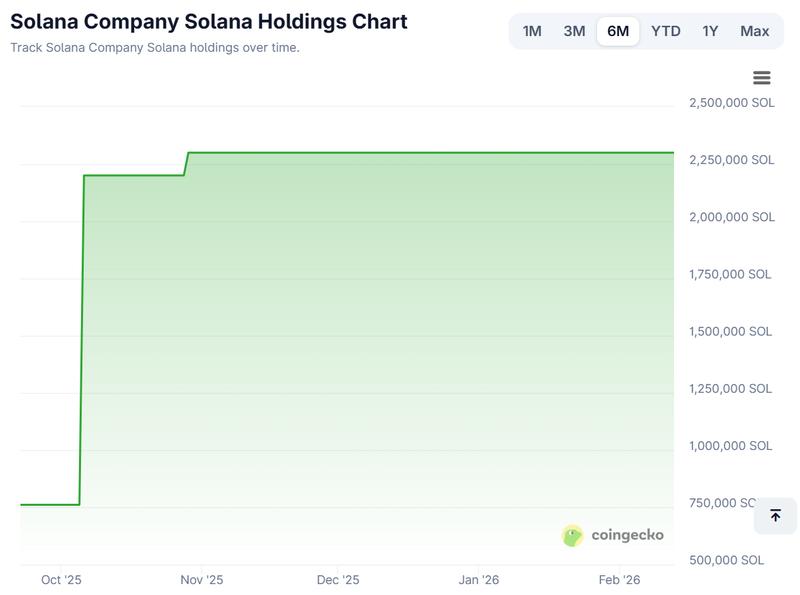
The collaboration involves Solana Company, a publicly listed Solana (SOL) treasury vehicle developed through a partnership with Pantera Capital and Summer Capital.
The framework enables institutions to utilize natively staked SOL tokens as collateral for onchain lending activities while keeping the underlying assets at Anchorage Digital Bank, a crypto banking institution with a federal charter. This arrangement allows investors to maintain their staking yield while simultaneously gaining access to capital through Kamino's lending infrastructure.
In its role as collateral manager, Anchorage monitors loan-to-value ratios, maintains margin requirements and executes liquidations when necessary. Since the collateral stays within segregated custody arrangements, institutions avoid transferring assets directly into smart contracts, a step that has traditionally prevented many regulated entities from participating.
DeFi legislation hangs in the balance
The collaboration among Anchorage Digital, Kamino and Solana Company highlights the expanding institutional appetite for decentralized finance. Yet, this growth is taking place amid regulatory ambiguity in the United States, where policymakers continue deliberating on appropriate oversight mechanisms for digital assets and DeFi infrastructure.
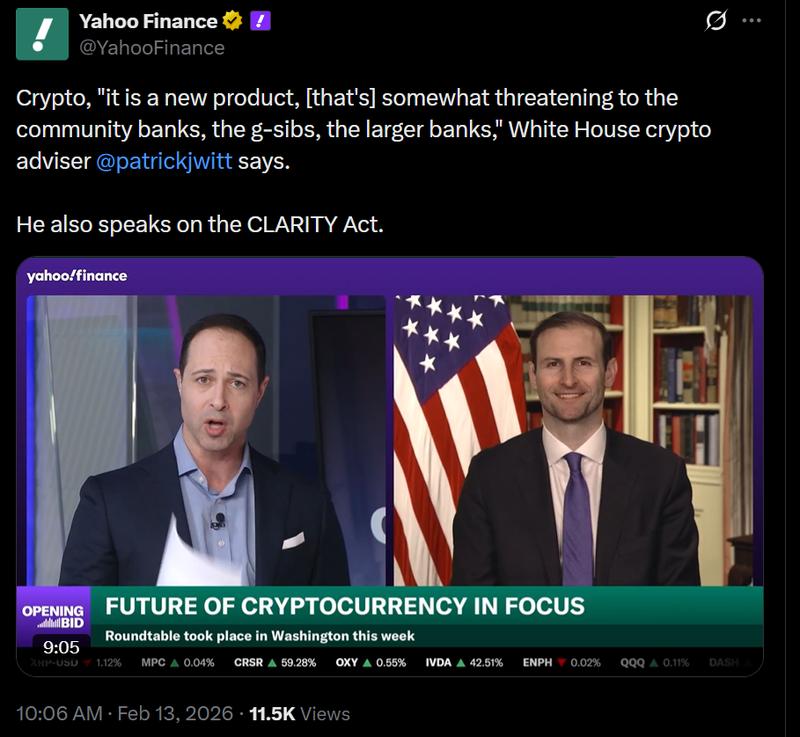
The proposed CLARITY Act stands at the heart of legislative discussions, seeking to define more precise jurisdictional parameters and regulatory frameworks for digital assets, encompassing DeFi protocols.
Though the legislation seeks to minimize uncertainty for industry stakeholders, certain DeFi proponents contend that it inadequately addresses the regulatory treatment of decentralized protocols, their developers and governance frameworks.
Concerns have emerged from industry organizations regarding previous draft versions, including amendments put forward in January, which they argue fail to adequately differentiate between centralized intermediary entities and decentralized infrastructure.
As deliberations over the CLARITY Act's trajectory remain stalled, the Trump administration organized a discussion with industry stakeholders earlier this month aimed at resolving the standoff and collecting input on unresolved provisions concerning DeFi regulation and market framework.