
BTC Tumbles Below $71K Mark as U.S.-Iran Conflict Escalation Triggers Market Retreat
The Bitcoin market experienced a sharp downturn following the collapse of diplomatic efforts between Washington and Tehran, with focus shifting back to the strategic Strait of Hormuz.
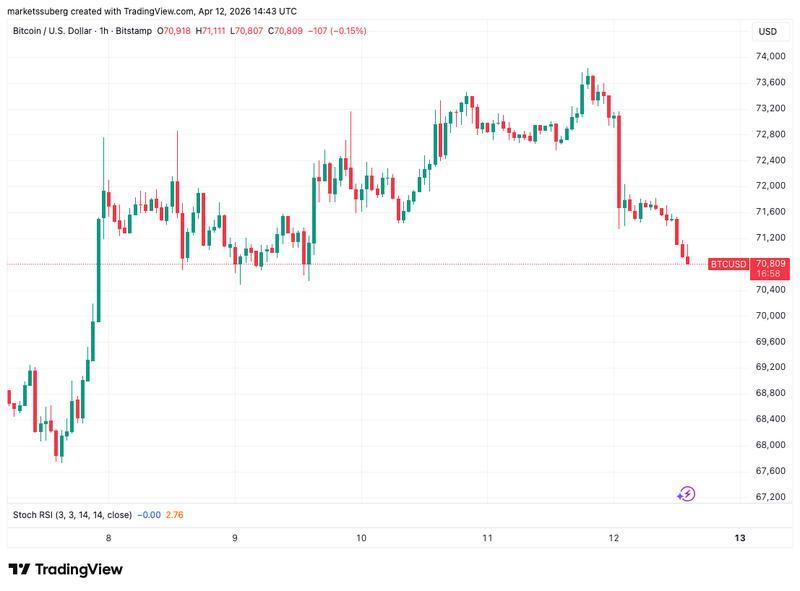
The leading cryptocurrency Bitcoin (BTC) experienced a 3% decline, dropping beneath the $71,000 threshold as Sunday's weekly trading session concluded, triggered by the failure of peace negotiations aimed at resolving the ongoing U.S.-Iran conflict.
Key points:
- The digital currency relinquished its recent advances following the collapse of diplomatic discussions between Washington and Tehran.
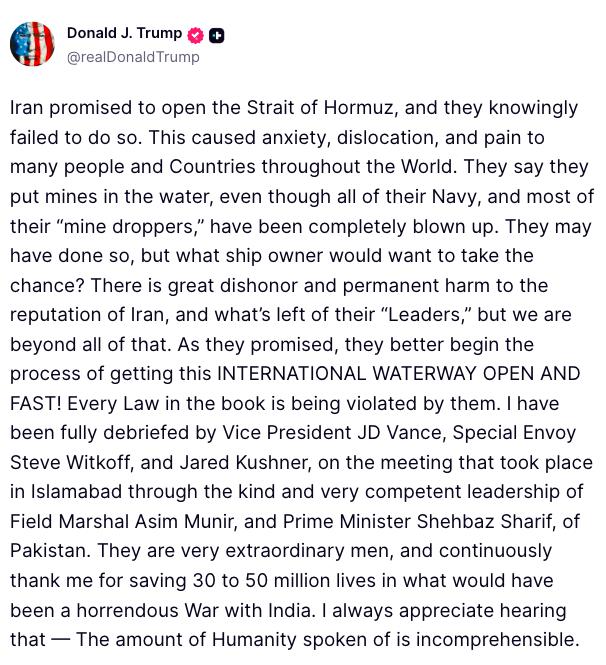
- Attention returns to the Strait of Hormuz as a critical point of contention after U.S. President Donald Trump insisted on its immediate reopening.
- Late-entry long positions face punishment as BTC experiences downward pressure.
BTC price drops on US-Iran war fears
According to information retrieved from TradingView, the price movement of BTC experienced a downturn, slipping beneath the $71,000 level following reports of an abrupt collapse in diplomatic discussions between Washington and Tehran that were taking place in Islamabad, Pakistan.
The inability of both parties to come to terms regarding the contentious nuclear weapons matter led to the departure of both diplomatic teams without completing the negotiations. Subsequently, U.S. President Donald Trump announced his intention to impose a blockade on the Strait of Hormuz and employ measures to "interdict" ships making payments to Iran for guaranteed safe transit through the waterway.
"No one who pays an illegal toll will have safe passage on the high seas," he wrote in a post on Truth Social.
An additional post reiterated Trump's insistence that Iran restore full operational status to Hormuz, which serves as a crucial passage for international oil transportation.
In the period preceding the opening of futures trading platforms, market participants' responses to these developing events highlighted the potential dangers facing the broader economic landscape.
"If the path forward is continued war, escalation, and a prolonged closure of the Strait of Hormuz, then the Iran War has just entered a new era," The Kobeissi Letter wrote in its latest analysis on X.
"US CPI inflation just jumped from 2.4% to 3.3% and further escalation of the Iran War would lead to 4.0%+ inflation, according to our models."
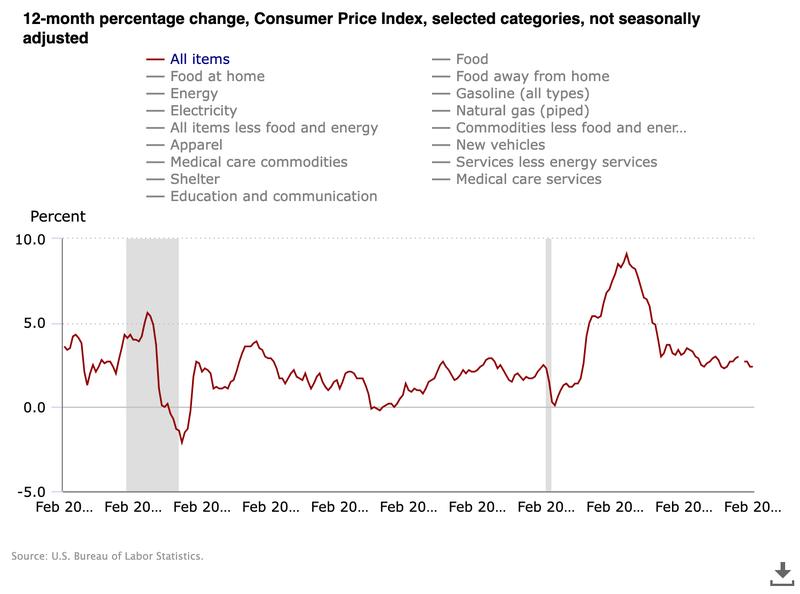
The Kobeissi Letter was referencing the U.S. Consumer Price Index (CPI) inflation metric, an economic indicator that demonstrates particular sensitivity to fluctuations in petroleum pricing. During the current week, the inflation data for March registered marginally beneath market expectations, even as the oil-price element experienced its most significant surge in six decades.
"There are currently no plans for additional talks, according to Iranian media," Kobeissi added.
"So, will Trump choose to push harder for diplomacy or double down on military action? Today, we find out."
Bitcoin liquidations mount as longs suffer
Given that Bitcoin and cryptocurrency markets represent the sole asset category that maintains continuous 24-hour trading operations, they served as the exclusive venue demonstrating immediate reactions to the unfolding turmoil.
Information compiled by CoinGlass revealed BTC/USD cutting through zones of concentrated long position liquidations, with the aggregate liquidation figure over the preceding 24-hour period approaching the $350 million threshold.
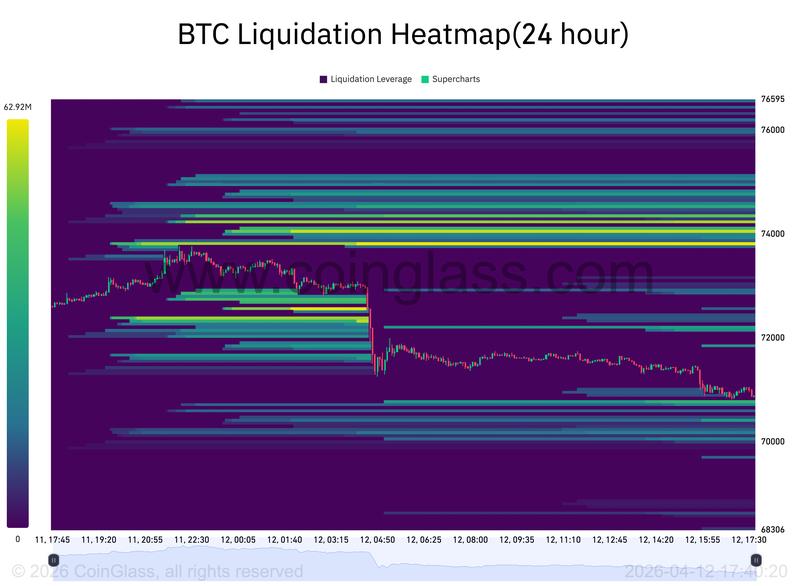
"Volatility remains high and it's clear that there won't be a path forward where risk-on assets will do well if this continues to be the consensus," trader Michaël Van de Poppe wrote in an X response.
In Van de Poppe's assessment, the economic deterioration stemming from the renewed military confrontation might compel the Federal Reserve to introduce additional liquidity into the system, notwithstanding the upward trajectory of inflation.
"On a larger scale, I think that we're currently in a sufficiently weak economy and the FED has no other option than to start printing again to positively influence the economy," he argued.
In previous coverage, Cointelegraph documented the increasing probability estimates of the United States experiencing a recession during 2026.
The upcoming week is scheduled to deliver additional inflation indicators through the release of the March Producer Price Index (PPI) data, while numerous high-ranking Federal Reserve representatives are slated to deliver public remarks concerning the economic outlook.