
BoE Digital Pound Lab Explores Integration of Stablecoins and CBDC in International Trade Payments
An experimental program at the Digital Pound Lab examines how stablecoin transactions can work alongside simulated central bank digital currency settlements in cross-border trade finance scenarios.

An ongoing experiment at the Bank of England's Digital Pound Lab is examining the feasibility of integrating stablecoins with a prospective digital version of the British pound within a unified cross-border payment infrastructure, specifically targeting trade finance applications.
According to a Wednesday statement released by the three participating organizations, the trial involves collaboration between NOBO Finance, Dun & Bradstreet and Polygon Labs, with the scenario featuring an exporter who obtains advance payment through a stablecoin-based payment channel while a UK-based importer executes final settlement utilizing simulated digital pound tokens.
An additional component of the initiative focuses on developing portable credit assessment tools for small and medium-sized enterprises by integrating transaction records, open-finance datasets and Dun & Bradstreet's proprietary commercial risk analytics, while Polygon supplies the underlying smart contract technology platform.
The primary objective of this testing framework is to eliminate settlement time lags and alleviate financing barriers that small- and medium-sized enterprises encounter when conducting international trade operations. Companies that export goods frequently experience multi-day delays before receiving compensation following shipment, which locks up operational capital and underscores why access to trade finance solutions is especially critical for businesses with limited resources.
It should be emphasized that the Digital Pound Lab operates without involving actual customers or financial transactions, and the Bank of England has made no definitive decision regarding the launch of a digital pound currency. The central bank has explicitly stated that experimental projects conducted by participants within the lab framework should not be construed as signals of forthcoming monetary policy directions or as official endorsements of the participating organizations or their commercial offerings.
UK pushes ahead with stablecoin, tokenization framework
This Digital Pound Lab testing initiative is taking place against the backdrop of UK regulatory authorities crafting comprehensive regulations for stablecoins while simultaneously preparing the nation's financial infrastructure for a more extensive transition toward tokenized financial instruments.
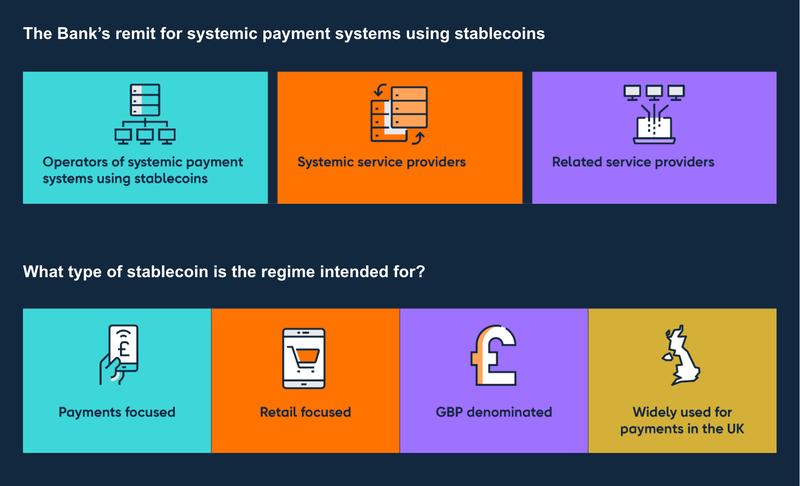
During June, the Bank of England released preliminary regulatory guidelines for sterling-backed stablecoins that are classified as systemically important to the UK's financial ecosystem. The framework permits stablecoin issuers to maintain up to 70% of their reserve holdings in interest-generating government securities and establishes a transitional ceiling of 40-billion-pound ($52.8 billion) in total issuance volume for each systemic stablecoin, superseding earlier proposed restrictions on individual user and corporate entity holdings.
The monetary authority is targeting completion of the regulatory framework by the conclusion of 2026 in preparation for an anticipated 2027 implementation. Stablecoins designated as systemic, indicating their utilization has reached a scale where they could potentially threaten UK financial stability, would operate under the Bank of England's supervisory authority, whereas non-systemic stablecoins would continue to be overseen by the nation's Financial Conduct Authority.
This regulatory development work is proceeding in parallel with initiatives designed to upgrade conventional payment systems infrastructure. During May, the BoE put forward recommendations to transition its Real-Time Gross Settlement (RTGS) and Clearing House Automated Payments System (CHAPS) toward operations approaching 24/7 availability, incorporating weekend processing and expanded daily operating windows, partially to facilitate international payment flows and emerging settlement frameworks as asset tokenization advances.
Additionally, in July, the central bank granted authorization for HSBC's Orion platform to function within the UK's Digital Securities Sandbox environment, where the platform is anticipated to facilitate digital bond offerings, including the country's forthcoming Digital Gilt Instrument initiative.