
Beyond Ledger: 5 Different Ways to Secure Your Bitcoin Holdings
While hardware wallets have long been popular, they're not your sole option for cryptocurrency protection. From exchange-traded funds and passkey technology to multisignature solutions, every alternative comes with unique benefits and compromises.
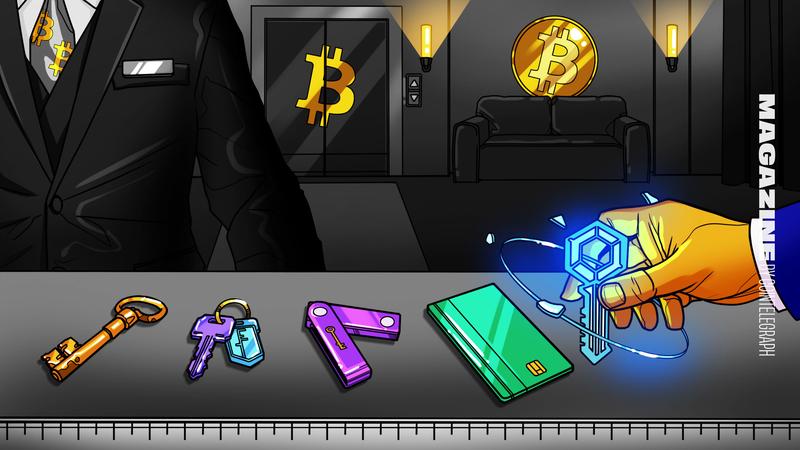
Following the theft of over $200 million in cryptocurrency during recent months through compromised Ledger devices and Coldcard wallets that generated insufficiently random seeds, confidence in hardware wallet solutions has been fundamentally undermined. The victims of these incidents had followed best practices meticulously. They purchased their hardware from authorized retailers, maintained proper seed phrase security protocols, and adhered to the fundamental principle of "not your keys, not your coins," yet still suffered devastating losses. These security breaches demonstrate that even the most cautious cryptocurrency holders utilizing hardware wallets remain vulnerable to threats outside their sphere of influence.
Given the increasing frequency of physical assaults targeting cryptocurrency owners — France has experienced a $5 wrench attack approximately every 2.5 days throughout this year — the vulnerabilities associated with hardware wallet storage are becoming increasingly apparent. This concern exists independently of the countless instances where cryptocurrency users have misplaced their physical wallets and seed phrases throughout the years — excluding, of course, those "boating accidents" claimed for taxation purposes.
Every alternative storage methodology carries its own set of disadvantages, which is why distributing your cryptocurrency holdings across multiple addresses using various storage approaches will at minimum reduce the potential losses if one particular method becomes compromised.
Below are five alternative approaches for securing your cryptocurrency assets.
1. Crypto ETFs: Trusting BlackRock may now be an option
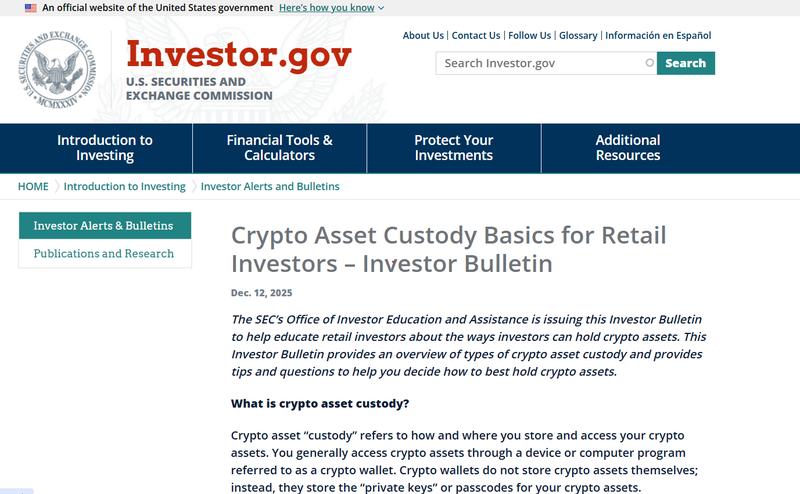
The primary and most significant disclaimer regarding this hardware wallet alternative is that it doesn't technically constitute a cryptocurrency storage method at all. Even when depositing Bitcoin directly, the digital currency gets converted into shares of a financial instrument that maintains crypto holdings via a custodial service. What you ultimately possess is a claim against the ETF's net asset value denominated in dollars, rather than actual Bitcoin. Therefore, compromises exist.
From one perspective, utilizing cryptocurrency exchange-traded funds eliminates numerous complications inherent in direct ownership, such as safeguarding your seed phrase, creating wallet backups, or experiencing anxiety about every unexpected visitor at your doorstep.
From another perspective, crypto ETFs introduce their own particular hazards, including dependence on a centralized service provider, third-party custodial arrangements, management fees, and possible divergences between share valuations and the underlying digital asset's actual market value.
Ophelia Snyder, co-founder of asset manager 21Shares, tells Magazine that exchange-traded products represent a more sensible choice "for most people most of the time" because of "tax, estate planning and security reasons."
Nevertheless, the "ability to use crypto onchain" and "some risk exposure to the issuer" rank among the principal compromises. She further notes that security varies by provider, and the safeguards surrounding its wallet infrastructure ought to be a "major factor" during product selection.
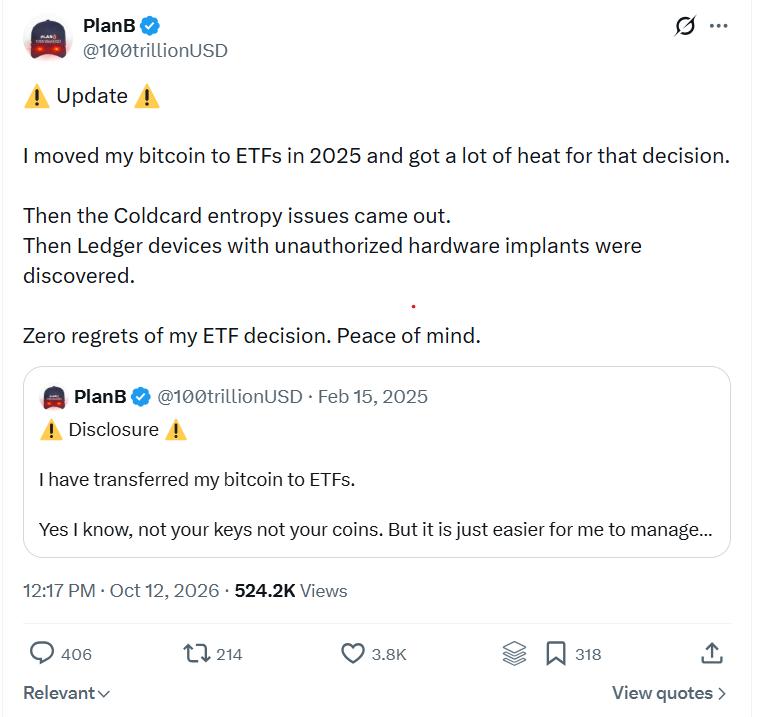
Pseudonymous Bitcoin stock-to-flow (S2F) model creator PlanB moved his BTC to ETFs in 2025 and said he was widely criticized for that decision. After the Ledger and Coldcard incidents, however, he said, "Zero regrets of my ETF decision. Peace of mind."
2. Passkey-based wallets: Move away from seed phrase management
Passkeys enable users to authenticate accounts through a cryptographic credential maintained on a device (usually a smartphone via Apple or Google passkeys), frequently secured by a fingerprint, face scan or PIN. In contrast to hardware wallets, they eliminate the requirement for a specialized device to maintain crypto keys in an offline state. Passkeys find more widespread adoption for blockchains that support smart contracts.
Several passkey-based solutions are available, including Coinbase Wallet's Smart Wallet, Clave and Infinex, each featuring distinct architectures and recovery mechanisms.
Though passkeys may deliver a more seamless user experience, they don't represent a perfect solution; misplacing a device or passkey remains problematic, so users must verify how backup systems function and whether regaining access necessitates relying on a third party.
In June 2024, Adam Back, chief executive of Bitcoin infrastructure provider Blockstream, questioned Coinbase's Smart Wallet, asking what would happen if a passkey were hacked; "sounds like basically a hosted wallet with a better sales pitch," he said.
3. Multisig wallets: Split control across multiple keys
As its designation suggests, a multisignature wallet necessitates multiple keys for transaction authorization. In typical 2-of-3 configurations, three distinct signers maintain keys, and at least two must provide approval before funds can be transferred.
Multisig arrangements can diminish dependence on a single key or device, though they don't invariably eliminate hardware wallet requirements. Casa, for example, offers multisignature custody for individuals and families, with a setup combining a hardware wallet, a mobile phone and a key held by Casa.
Numerous prominent Ethereum ecosystem projects administer their treasuries through Safe wallet (previously Gnosis Safe) — an on chain smart account multisig with a web based interface.
Although such configurations can mitigate the danger of a single compromised or lost key, multisig arrangements present drawbacks as well.
Multiple-person configurations, for instance, require the signers to stay accessible, whereas smart contract wallets may introduce security weaknesses in their code or setup, and an adversary who successfully compromises sufficient signers can nonetheless authorize a transaction.
Coordinating approvals can additionally decelerate transfers, which proves problematic when urgency is critical, especially when signers are dispersed across different geographical locations and time zones.
Casa chief executive Nick Neuman told Cointelegraph earlier this month that, even with a multisig setup, users should still spread their risk across multiple providers rather than rely on just one.
4. Centralized exchanges: Let someone else handle custody
Maintaining crypto on a centralized exchange shifts the accountability for private key management to a company and eliminates the majority of the burden of being responsible for your own security. It's certainly more convenient for active traders or holders who don't want to manage backups and recovery phrases.
However, the traditional warning "not your keys, not your coins" is especially relevant in this context. Crypto's brief history contains numerous episodes of exchange security breaches and exploits, from proprietors carrying access to user assets with them to their graves to one of the largest BTC hacks in history, with investors still waiting to recover their coins 13 years later.
Naturally, centralized exchange operational security has progressed considerably, and many now publish proof-of-reserves reports or have emergency funds to help cover losses.
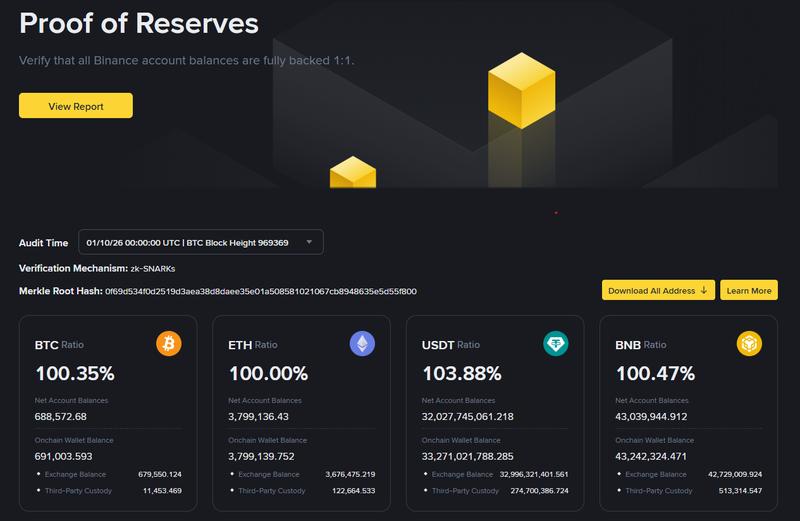
That being said, proof of reserves doesn't genuinely confirm a company's complete financial wellness or capacity to fulfill every obligation.
And with the rise in crypto reporting requirements, including through the OECD's Crypto-Asset Reporting Framework, exchanges require customers to provide identity, residency or tax information, and failure to comply can lead to account restrictions or suspended withdrawals.
5. Paper wallets: Offline but not necessarily safer
A paper wallet conventionally comprises a cryptocurrency address and its matching private key printed on paper.
Although paper wallets maintain key material offline without necessitating a dedicated hardware device, creating one securely can prove challenging, as a compromised computer, malicious generator or poor source of randomness can expose the key before it is printed.
And naturally, paper can also be easily lost or damaged; you definitely don't want to smoke a celebratory cigar next to this form of crypto storage (stamping the seed onto metal is a good alternative however). Spending funds can also compromise security if the private key is imported into an internet-connected wallet.
Therefore, while paper wallets represent an alternative to hardware wallets, for most users, they simply aren't a better one, and are a poor fit compared with more manageable offline-storage options.
At the end of the day, there is no one ideal way to store your crypto, and for every holder, it will come down to their personal circumstances and needs. As Snyder says:
"Self-custody users have a tendency to be in two camps: either long-term crypto natives who have a strong view on their personal security practices and everyone else."
If you aren't in the first group, she says, self-custody may generally not be the best fit for you, and having some crypto on a centralized exchange and an ETF can be "a really useful tool as part of a portfolio approach to holding crypto."