
Russia's Moscow Exchange Set to Begin Bitcoin and Ethereum Trading Next Month
The Moscow Exchange is preparing to introduce trading for Bitcoin, Ethereum, and USDT starting Dec. 1, though industry observers raise concerns about interest in the sanctioned platform.
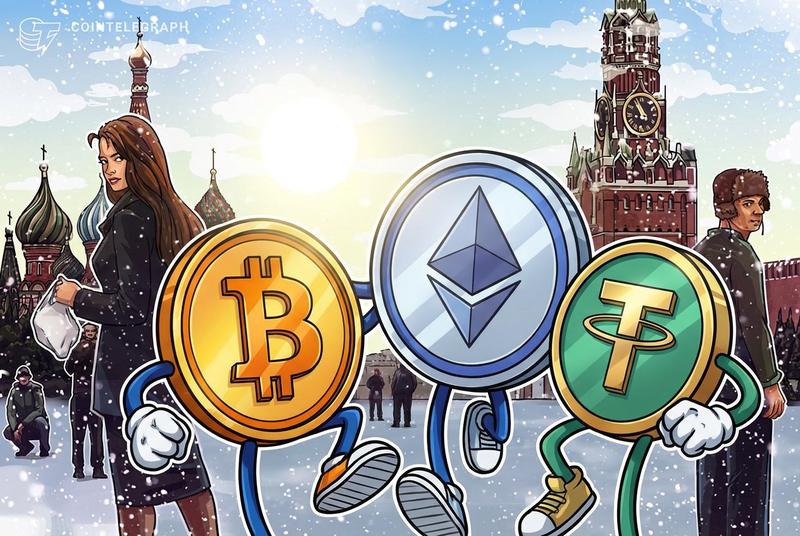
Russia's Moscow Exchange is set to introduce trading capabilities for Bitcoin, Ether and Tether's USDT starting Dec. 1, establishing what the exchange characterizes as the nation's first regulated digital asset marketplace.
In an announcement made Monday, the exchange revealed that pilot trading operations would commence as market participants begin joining the new platform. The trading system will leverage the exchange's current stock market infrastructure, with clearing services provided through the National Clearing Center (NCC), and will operate during hours spanning from 6:50 am until 11:50 pm Moscow time.
The platform will offer same-day and next-day settlement options at launch, in addition to swap transaction capabilities. Retail investors classified as non-qualified will need to complete a testing requirement before they can acquire cryptocurrency and will face annual purchase restrictions of 300,000 rubles (approximately $3,700) per brokerage firm, the exchange stated.
This initiative comes after Russia enacted cryptocurrency legislation with key provisions becoming effective Sept. 1. The legislation authorizes regulated cryptocurrency trading while continuing to prohibit the use of digital currencies as payment methods for goods and services within Russian borders.
Both Moscow Exchange and the NCC have operated under US sanctions since June 2024, a period when the UK simultaneously imposed sanctions on the exchange. The European Union subsequently added the exchange to its sanctions roster in July 2026.
Is there demand for a sanctioned exchange?
Sergey Mendeleev, the founder of Russian cross-border payments platform Exved, expressed skepticism to Cointelegraph regarding whether the proposed marketplace would generate substantial trading interest.
Neither the global nor the local market will notice anything at all.
He raised questions about the potential user base for an exchange operating under international sanctions. The UK imposed sanctions on Mendeleev on May 26.
Mendeleev further anticipated unfavorable trading conditions, drawing parallels to the prospective platform and precious metals accounts offered by Russian financial institution Sberbank, where account holders trade balances without actually receiving physical possession of the underlying metal.
He cautioned that market participants might encounter "absolutely outrageous spreads," a term that describes the gap between purchase and sale prices.
For ordinary non-qualified investors, this is an entirely unattractive and unprofitable proposition.
Mendeleev identified potential value in the platform's application for cross-border payment transactions. He indicated that a marketplace enabling importers and exporters to engage in direct cryptocurrency purchases and sales with each other would be beneficial, though he expressed doubt about whether introducing an additional intermediary would remain competitive in a market where participants haggle over price differentials as narrow as 0.05%.
I hope this will mark a genuine breakthrough for foreign trade.