
Prediction markets draw interest from Charles Schwab and Citadel Securities
Executives from both Charles Schwab and Citadel Securities have independently expressed interest in entering the prediction markets space, though both firms plan to avoid sports-related offerings.

Two major players in traditional finance, Charles Schwab and Citadel Securities, are each evaluating potential entry into the prediction markets industry, with both firms independently assessing their approach to involvement in this rapidly expanding sector.
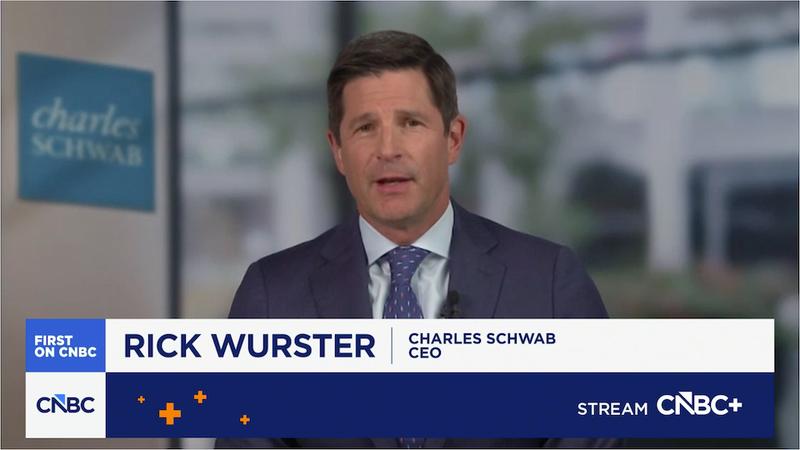
During an investor call on Thursday, Rick Wurster, who serves as CEO of the investing and banking powerhouse Schwab, stated: "I think at some point we likely will have prediction markets."
Wurster went on to note that when he recently polled a group of Schwab clients regarding prediction markets, they were not "of tremendous interest," though he emphasized it remained an area the firm would "take a hard look at, and it would be quite straightforward for us to offer."
Popular prediction markets platforms like Kalshi and Polymarket have witnessed explosive growth in usage throughout recent months, with the two platforms collectively achieving a record-breaking combined monthly trading volume totaling $23.6 billion during March, data from Token Terminal shows.
That said, platforms including Kalshi, Polymarket and other prediction market operators have drawn criticism from certain US state regulatory bodies, which have brought court cases alleging these platforms are providing sports betting services without proper licensing.
Additionally, certain federal legislators have pledged to take enforcement action against prediction markets, asserting that these platforms have failed to adequately prevent insider trading activities.
According to Wurster, Schwab's prospective prediction market offering would deliberately avoid enabling wagers on categories like sports, politics and pop culture, as the company aims to maintain its positioning as a partner focused on long-term wealth creation.
"Prediction markets that are not aligned to that are not something that we want to pursue," he said. "If you look at the stats on the success of gamblers, they're not strong, and people generally lose money."
Citadel "keeping an eye" on prediction markets
Separately, Jim Esposito, who holds the position of president at Citadel Securities, commented during a Semafor conference held in Washington, DC, on Thursday that his firm is "absolutely keeping an eye on developments" occurring within prediction markets.
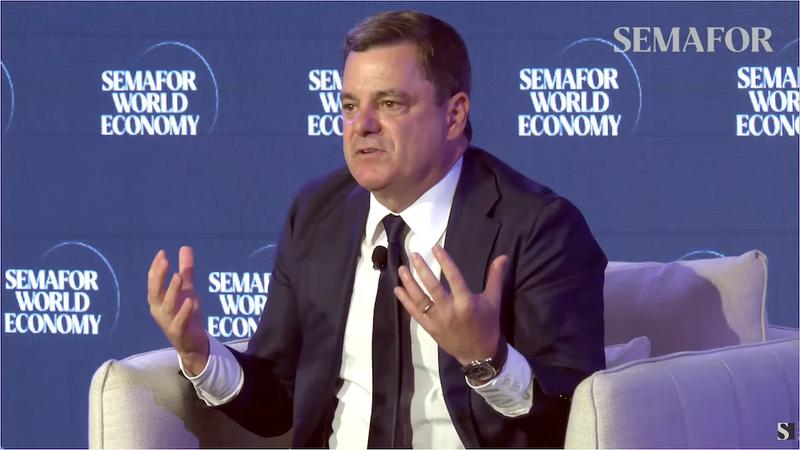
"We're not there yet, there's not that much liquidity," he added, though he projected the market would likely "ramp and scale," describing it as "certainly possible" that the market-making company might explore participation in the future.
According to Esposito, Citadel is "not looking at sports at the moment at all, I don't see us entering that market," though he did indicate the firm's interest in certain event contracts.
Esposito further explained that Citadel envisions scenarios where its retail and institutional client base could utilize specific event contracts as hedging instruments for investment risks, pointing to election contracts as examples, which are well-known for their ability to influence market movements.
"That's going to be some of the biggest risks to investors' portfolios that they're going to have to grapple with," Esposito said. "Having a clean and distinct way to hedge certain risks, I think there's a good use case and industrial logic to it."