
Fidelity Digital Assets reports 'increasing indicators' of transition away from dollar dominance
According to the investment company, sovereign nations and their central banking institutions are progressively adopting alternatives such as Bitcoin and gold for settlement mechanisms beyond United States jurisdiction.

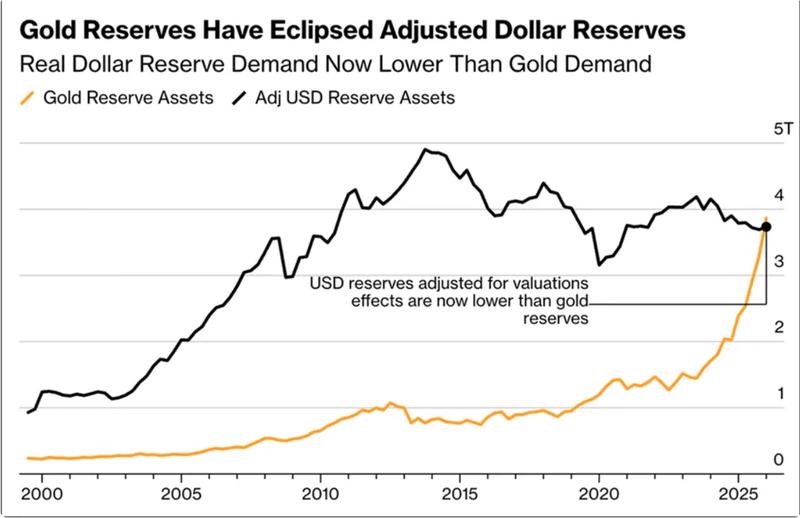
The Iranian administration's latest decision to accept Bitcoin as payment for oil transit fees combined with gold surpassing US dollar holdings in worldwide central bank reserves indicates a "transition away from dollar-based systems," according to digital asset financial services provider Fidelity Digital Investments.
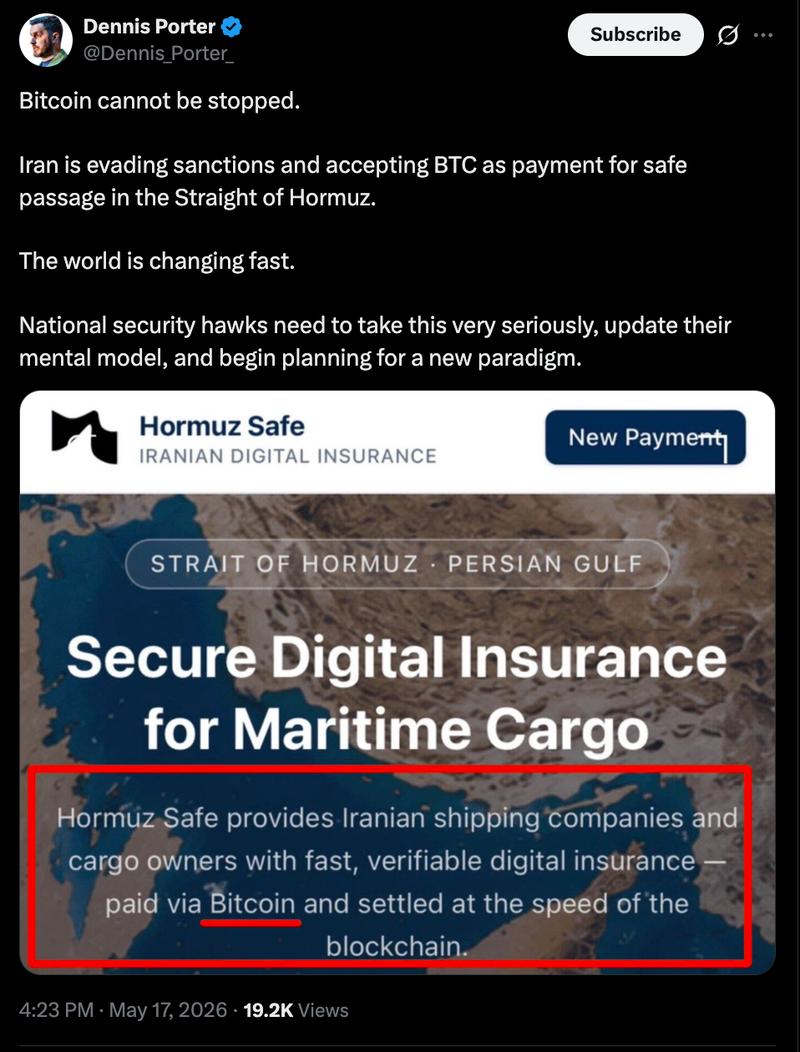
The acceptance of BTC by Tehran for petroleum shipments traversing the Strait of Hormuz demonstrates the rise of "alternative settlement mechanisms," as outlined in the firm's newly published "Six Key Trends Shaping Digital Assets in 2026" analysis.
The decision to accept Bitcoin as a form of payment for maritime toll fees serves as proof that the leading cryptocurrency has the potential to supplant the US dollar as the world's reserve currency due to its neutral nature, resistance to seizure, and decentralized characteristics, according to BTC advocates.
Meanwhile, the appetite for gold among central banking institutions continues to be "strong" even as the precious metal has experienced a 20% drop from its record peak of approximately $5,600 per ounce achieved in January. According to the report:
"Gold's performance and continued central bank demand are broadly aligned with our initial thesis, while the anticipated follow-on outperformance from bitcoin has yet to materialize."
Iran considers an insurance model for oil ships paid in Bitcoin
During May 2025, Iranian news outlets published reports indicating that Iran's governmental authorities were evaluating a maritime shipping insurance framework for petroleum tankers passing through the Strait that would accept Bitcoin as payment and be "settled at the speed of blockchain."
"Under the Economy Ministry's plan, managing the Strait through an insurance framework would enable the issuance of various marine insurance policies as well as certificates of financial responsibility," as reported by the government-operated Fars News agency.
During April 2026, Iranian governmental officials made an announcement stating they would begin accepting petroleum shipping fees in Bitcoin, stablecoins pegged to the US dollar, and Chinese yuan.
Subsequently that same month, authorities from the United States took action to freeze $344 million worth of stablecoins associated with Iran's governmental bodies and the Iranian Revolutionary Guard Corps (IRGC).
Notwithstanding the capacity of United States officials to freeze and seize stablecoins, Tether's USDt stablecoin pegged to the dollar remains the predominant form of payment for oil shipping fees, as stated by Sam Lyman, who serves as the head of research at the digital asset advocacy organization Bitcoin Policy Institute (BPI).