
World Cup Fans Targeted by Cryptocurrency Fraudsters, TRM Labs Reports
TRM Labs has detected crypto scam operations with World Cup themes connected to several wallet addresses, prompting alerts from both FIFA and the FBI regarding ticketing fraud.

According to TRM Labs, cryptocurrency fraudsters have been actively pursuing FIFA World Cup enthusiasts via fraudulent ticketing platforms, rigged-match gambling operations and tournament-related digital currency promotions.
The firm specializing in blockchain intelligence reported discovering multiple scam campaigns connected to the World Cup, including a pair of fraudulent ticketing websites and a single rigged-match betting operation linked to four cryptocurrency wallet addresses.
"Criminals always look to exploit major events and cultural moments and they don't wait until kickoff. Scammers build and position their infrastructure weeks in advance, then scale it the moment public attention peaks."
Ari Redbord, global head of policy at TRM Labs
In conversation with Cointelegraph, Redbord explained that the transparent, onchain characteristics of cryptocurrency transactions enable investigators and compliance professionals to take action before financial damages escalate.
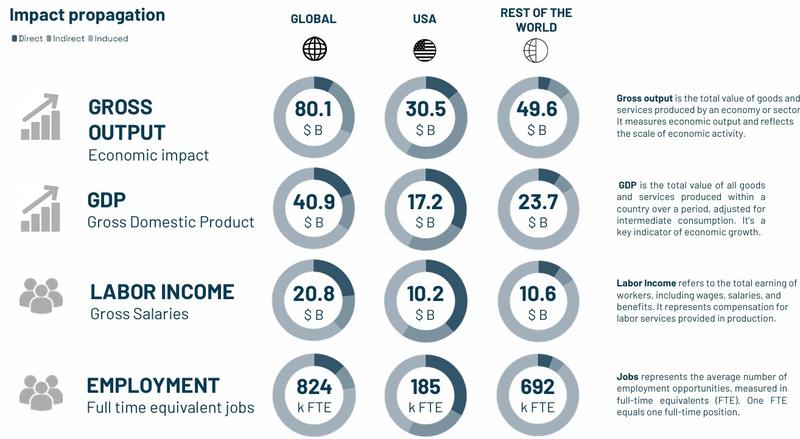
Thursday marked the start of the 2026 World Cup, with FIFA projecting approximately 6.5 million spectators will attend matches across the tournament and estimating around $40.9 billion in worldwide gross domestic product influence, generating substantial demand for tickets, travel arrangements and wagering opportunities that fraudsters can exploit.
FIFA and FBI warn World Cup fans of fake ticket scams
Canada, Mexico and the US are jointly hosting the World Cup, with organizers anticipating a significant increase in ticket sales, travel bookings and gambling activities.
This concentrated consumer demand has already prompted cautionary statements from law enforcement agencies. Back in May, the Federal Bureau of Investigation (FBI) announced that malicious actors were creating counterfeit FIFA websites in advance of the tournament to harvest personal data, distribute fraudulent tickets and merchandise and potentially execute additional harmful operations.
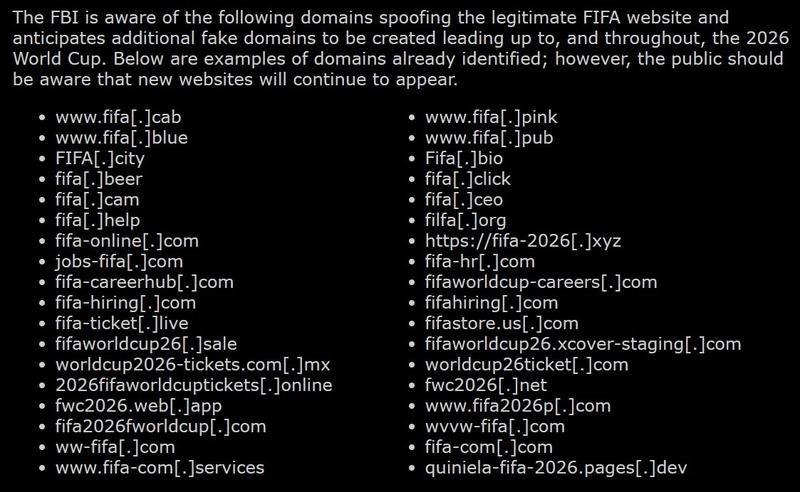
FIFA has additionally cautioned supporters that purchasing tickets from sources other than the official platform could result in exposure to fraudulent schemes. According to FIFA, tickets acquired through unauthorized channels may be declared invalid and are subject to cancellation without prior notification.
Tournament organizers are navigating a more complex ticketing landscape. According to a report from the Council on Foreign Relations, multiple opening-round matches scheduled in the US and Canada had not reached full capacity on FIFA's official platform as of Monday, while the Financial Times published findings on Tuesday showing that authorized resale platforms still had 176,000 unsold tickets remaining for the group stage portion of the tournament.