Surge in prediction market trading on Iran tensions while lawmakers consider restrictions
Trading volumes on prediction platforms spiked amid Iran-related contracts as federal regulators initiated rulemaking procedures and Democratic legislators proposed restrictions on conflict and mortality-based wagering.
Trading activity across prediction market platforms has experienced a significant surge as participants rushed to place wagers on contracts connected to the intensifying conflict between the United States and Iran, even as federal authorities in Washington work toward establishing more comprehensive regulatory frameworks for event-based contracts and legislative efforts advance to prohibit markets centered on military conflicts, acts of terrorism, and fatalities.
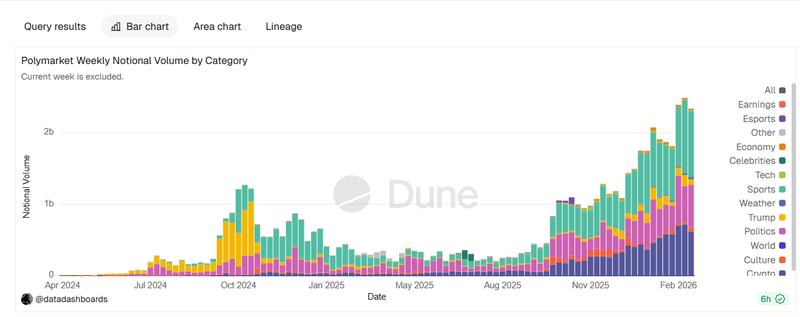
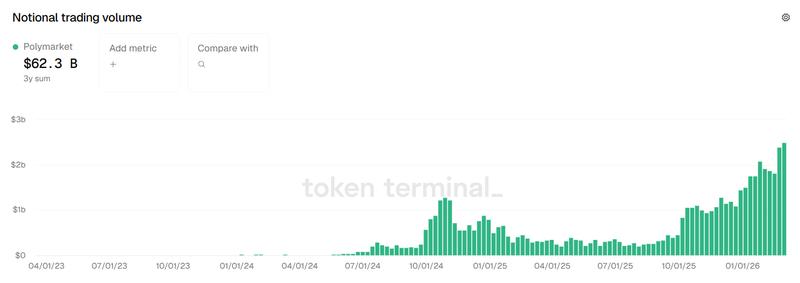
Weekly notional trading volumes recorded on both Polymarket and Kalshi reached unprecedented peaks during the seven-day period concluding on Monday, March 9, climbing to $2.49 billion and $2.85 billion respectively, based on information compiled by Token Terminal data. This expanding trading activity has elevated the aggregate notional volume throughout all prediction market platforms to $145 billion, generated by 2.8 million distinct users, according to analytics from Dune.
As the continuing military confrontation brings increased traffic to these trading platforms, regulatory agencies in the United States are soliciting public input regarding new legislative frameworks for prediction markets while simultaneously considering a prohibition on event contracts related to armed conflicts and terrorist activities.
US lawmakers race to regulate prediction markets
The US Commodity Futures Trading Commission (CFTC) released a staff advisory document that categorized event contracts operating on prediction market platforms as a "financial asset class," as Cointelegraph reported on Thursday.
The regulatory body additionally published an Advanced Notice of Proposed Rulemaking, soliciting public commentary regarding how the Commodity Exchange Act (CEA) should be interpreted in relation to prediction market platforms. This action occurred several weeks following CFTC chair Michael Selig's public statements reaffirming assertions that the CFTC maintained "exclusive jurisdiction" over these prediction market operations.
Last Monday, a judicial official in Ohio challenged this assertion in a legal ruling, stating that Kalshi had not successfully demonstrated that the CEA "would necessarily preempt Ohio's sports gambling laws," nor that these sports wagering contracts would be subject to the "exclusive jurisdiction" of the CFTC.
Kalshi maintains its headquarters in New York and operates under CFTC regulation as a Designated Contract Market (DCM).
Polymarket US similarly maintains its headquarters in New York City and has conducted operations under CFTC oversight since late 2025, following its acquisition of CFTC-licensed QCX LLC for $112 million and subsequent rebranding to Polymarket US. Polymarket's international platform continues to operate separately from Polymarket US, which serves as the company's federally regulated American venue.
In January 2022, the CFTC brought charges against Polymarket's parent company, Blockratize, for unlawfully providing unregistered event-based options contracts. Polymarket reached a settlement agreement by remitting $1.4 million in civil monetary penalties and terminating unlicensed operations prior to the corporate restructuring.
In November 2025, the CFTC released an Amended Order of Designation for Polymarket US, removing previous limitations and granting authorization for trading activities as a DCM.
Senator seeks to ban war-related prediction market contracts
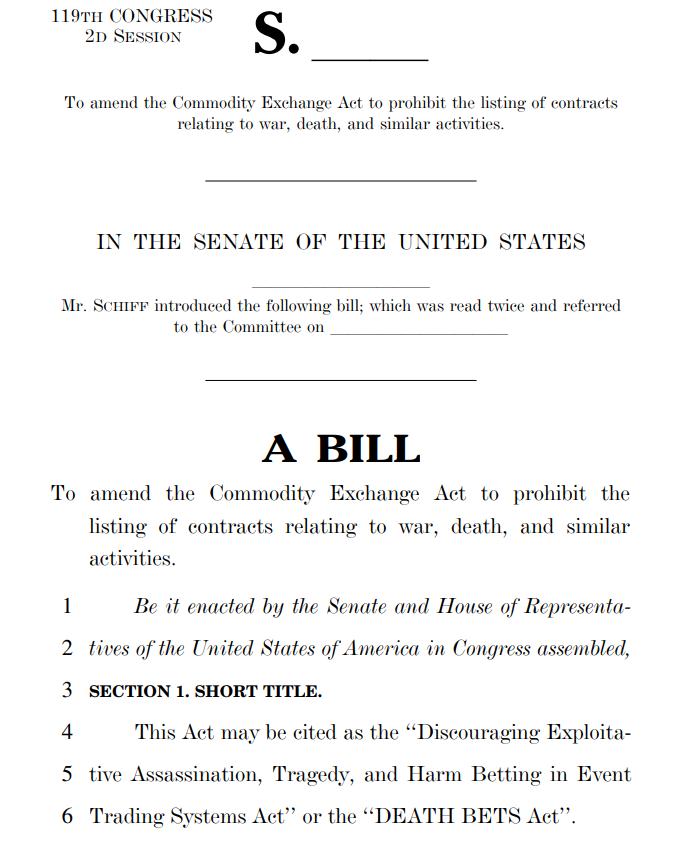
On Tuesday, US Democratic Party Senator Adam Schiff presented new legislative measures designed to prohibit federally-regulated prediction market platforms from offering contracts connected to military conflicts, terrorist attacks, political assassinations, and deaths of specific individuals.
The proposed legislation known as the DEATH BETS Act aims to modify the CEA to incorporate a prohibition on comparable contracts for organizations under CFTC supervision.
The legislative proposal emerged following fresh accusations of insider trading, after six Polymarket traders collectively earned $1 million through correct predictions regarding the US strike against Iran.
In February, Israeli authorities arrested and indicted two people suspected of using secret information about Israel's strike on Iran for insider trading on Polymarket.