
Prediction market regulation proposal draws sharply divided feedback to CFTC
Over 1,500 public comments flooded into the CFTC regarding its proposed prediction market regulations, revealing stark disagreements over regulatory oversight of these platforms.

Over 1,500 public comments flooded into the US Commodity Futures Trading Commission following its proposal for new rules governing prediction markets, revealing a sharp divide between supporters of the agency and critics demanding stricter enforcement against these platforms.
Thursday marked the deadline for public feedback on the CFTC's March proposal seeking to modify or introduce fresh regulations covering event contracts on prediction market platforms, attracting submissions from prediction market operators, cryptocurrency companies and groups advocating for consumer protection.
In a Thursday submission, Luana Lopes Lara, Kalshi's co-founder and chief operating officer, expressed support for the CFTC, characterizing its current regulatory framework as "well-designed and effective," while calling on the agency to provide guidance ensuring "that the universe of event contracts can continue to be listed, traded, and overseen by the Commission."
The proposed rulemaking initiative arrives as the CFTC seeks to solidify its regulatory jurisdiction over prediction markets, which have encountered legal opposition from several US state governments alleging the platforms operate as unlicensed sports betting operations.
Legal actions targeting sports prediction market products have been filed against companies including Kalshi, Polymarket and Coinbase, with these firms contending they fall exclusively under CFTC oversight, a stance the federal regulator has endorsed by initiating lawsuits against no fewer than five state governments pursuing legal measures against prediction markets.
In his submission, Polymarket US CEO Justin Hertzberg commended CFTC Chair Mike Selig for "asserting the CFTC's longstanding exclusive jurisdiction over prediction markets," stating the company's belief that the regulator "should continue to exercise its exclusive jurisdiction over prediction markets."
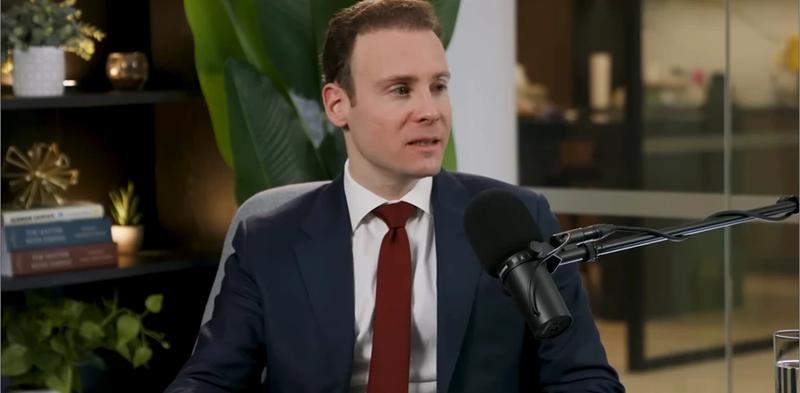
In its letter, venture capital firm Andreessen Horowitz also voiced approval for the CFTC's position, contending that "state actions to regulate or ban prediction markets impose a serious barrier to impartial access," which represents a fundamental requirement for entities under CFTC regulation.
In contrast, gambling oversight authorities from states including Tennessee, Missouri and Pennsylvania, along with others, sharply criticized the CFTC's stance on sports event contracts, demanding the federal regulator withdraw its backing.
Kevin O'Toole, Executive Director of the Pennsylvania Gaming Control Board, accused the CFTC of enabling prediction markets "to masquerade as unregulated sportsbooks," while Mary Beth Thomas, Executive Director of the Tennessee Sports Wagering Council, stated the council challenges "that sports event contracts offered on prediction markets fall within the jurisdiction of the CFTC at all."
Michael Leara, executive director of the Missouri Gaming Commission, argued that congressional intent "did not intend futures markets to encompass gambling activities," calling on the CFTC to "properly reserve jurisdiction over sports event contracts for the states."
Federal lawmakers have also raised concerns about prediction markets, expressing worry over platforms providing markets linked to geopolitical developments and potential exploitation by individuals possessing insider information following suspiciously timed wagers on the Iran war.
In a collaborative submission to the CFTC, Dennis Kelleher, CEO and co-founder of consumer advocacy organization Better Markets, joined by 12 additional consumer protection groups, urged the agency to "prohibit event contracts that involve elections or geopolitical events," claiming such contracts have potential to shape government decision-making.
Following last week's US Senate approval of legislation barring its members and staff from participating in prediction markets, Kalshi and Polymarket announced they have implemented stricter controls against insider trading and either ban or restrict certain user categories, including politicians, from accessing their platforms.