
Onchain gacha surges to unprecedented levels while cryptocurrency markets plummet
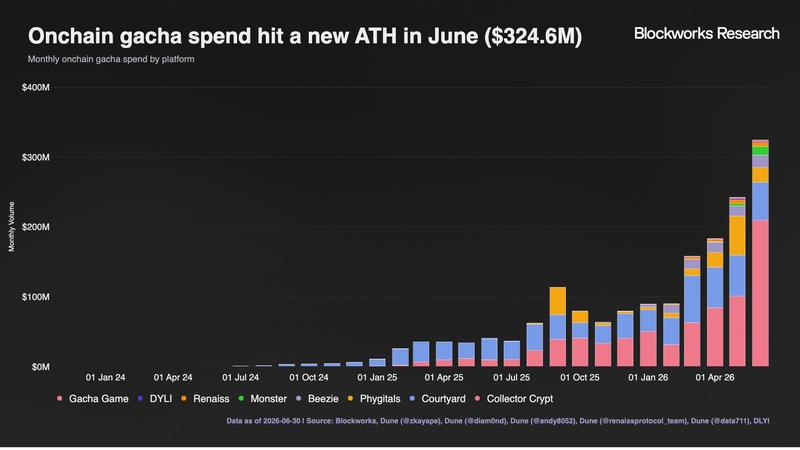
Despite Bitcoin plunging to its lowest point in 21 months, onchain gacha platforms recorded an unprecedented $324 million in user spending during June. The excitement of obtaining rare Pokemon cards from randomized packs has evolved into a lucrative industry
The crypto market experienced a devastating June 2026. Bitcoin (BTC) plummeted more than 20%, reaching its lowest value in 21 months, as spot Bitcoin ETFs experienced an unprecedented $4.5 billion in capital flight.
Despite this downturn, onchain gacha platforms witnessed users spending an unprecedented $324 million throughout the month, data from Blockworks Research reveals. Just twelve months prior, monthly expenditures hovered around $50 million.
The spending figures reached unprecedented heights amid a deepening bear market. Even as cryptocurrency valuations collapsed, individuals continued opening increasing quantities of tokenized Pokémon card packs — motivated by excitement, potential financial gains, or the desire to grow their collections.
This represents an entire randomized Real World Asset (RWA) industry that has operated beneath mainstream attention… until this moment.
Understanding booster packs, grading and slabs
The gacha system originates from Japanese vending machine culture, wherein customers pay a set price to receive a randomized product. Within the trading card game (TCG) industry, this typically manifests through booster packs: factory-sealed packages containing a randomized selection of cards. Purchasers have no advance knowledge of their contents.
The contents within boosters vary dramatically in value. Factors including print run size, scarcity, physical state and release year create price differences spanning multiple orders of magnitude: from mere pennies for common cards, up to hundreds of thousands of dollars for scarce specimens in flawless condition. An extensive market has developed surrounding these collectibles, with Global Market Insights estimating its value at $9.2 billion and Mordor Intelligence placing it at $15.11 billion.
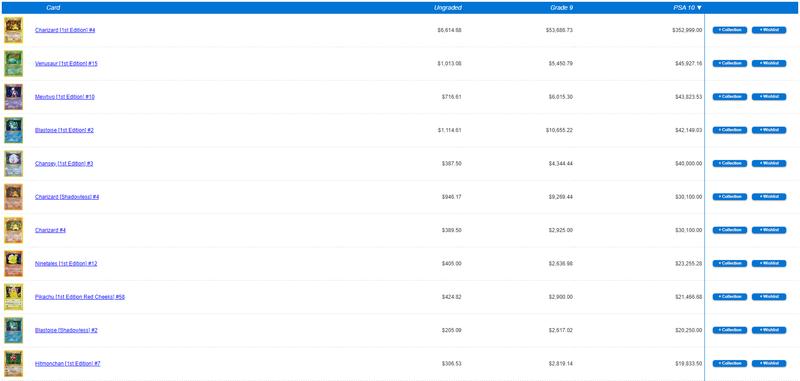
When individual cards carry price tags comparable to automobiles, verifying their legitimacy and physical state becomes essential.
This verification need is addressed through grading — a procedure where independent organizations like PSA, Beckett or CGC evaluate cards against multiple standards. Each card undergoes inspection for centering accuracy, corner integrity, edge quality and surface condition, and receives scrutiny for any scratches or discoloration, before receiving a numerical grade and being encapsulated within a protective plastic container called a slab.
Grades have direct pricing implications: two otherwise identical cards may command vastly different values, whereas an ungraded, raw card represents a higher-risk purchase.
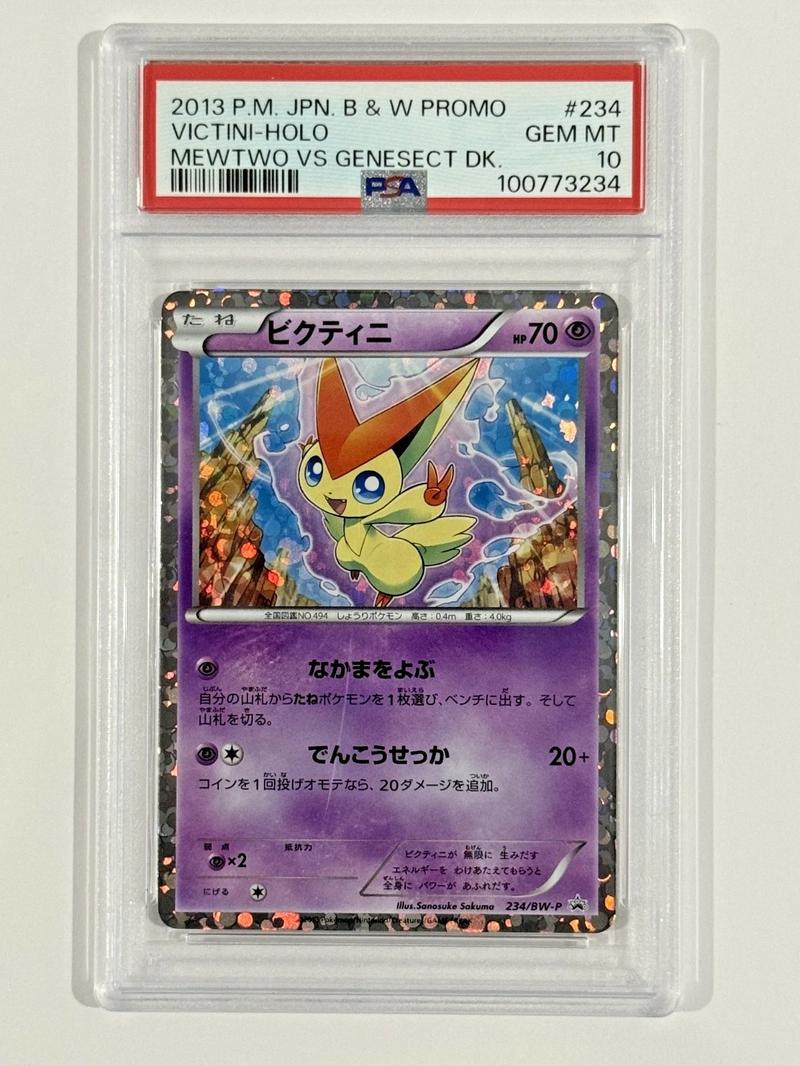
Platforms including Collector Crypt and Courtyard are bringing these real world assets into blockchain ecosystems. They take possession of physical cards — typically those already professionally graded — store them in secure vaults and create NFTs linked to specific physical copies.
Upon purchasing and opening a pack, users obtain a token representing an actual card stored in an actual vault. These tokens can be retained, offered on marketplaces, sold back to the issuing platform or exchanged for the corresponding physical card.
Significantly, these NFTs derive their value from the premise that partner vaults genuinely possess that precise card with the specified grade. Users assume custodial risk — encompassing asset security, authentication reliability and platform longevity — and given that grading companies themselves acknowledge increasing counterfeit incidents, this premise carries considerable weight.
Understanding the timing
The expanding appeal of onchain gacha, alongside TCG-oriented blockchain platforms generally, likely stems from multiple converging factors.
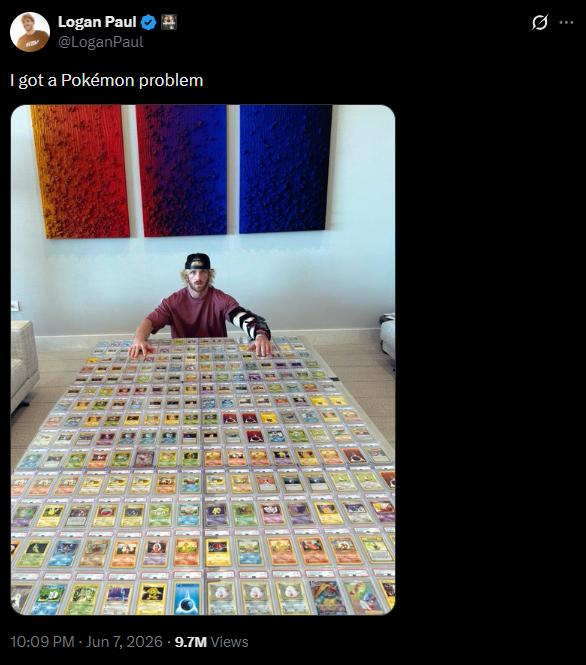
Pokémon cards constitute the primary offering for numerous such platforms, and the franchise currently enjoys remarkable momentum.
Children aren't the sole demographic driving this interest. Affluent millennials and Gen Z individuals occasionally favor cards over costly artwork. Grading demand has reached such intensity that PSA temporarily halted card submissions across four standard service tiers in June while attempting to process a backlog approaching 10 million cards.
Tokenization effectively capitalized on this enthusiasm by delivering valuable services and eliminating traditional barriers.
The physical trading card market faces a challenge universal to collectibles markets: insufficient immediate liquidity. Selling cards through traditional channels requires owners to locate buyers, authenticate the item and its grade, and arrange physical shipping.
Traditional marketplaces are slow and expensive. With tokenized trading cards, collectors can buy, sell, trade, and verify ownership instantly while the physical asset remains securely vaulted until they want it shipped.
Dakota Campbell, head of marketing at Collector Crypt
Collector Crypt has tokenized approximately $40 million in cards and comic books, Campbell reports. Around $23 million of that inventory belongs to the platform itself, while the remainder exists in user wallets or has been redeemed. Meeting ongoing demand requires the company to acquire approximately $2 million in cards weekly.
The speculation element in collectibles
Similar to the NFT explosion, it's impossible to ignore that price speculation and gambling-like dopamine responses from randomized rewards contribute to the attraction.
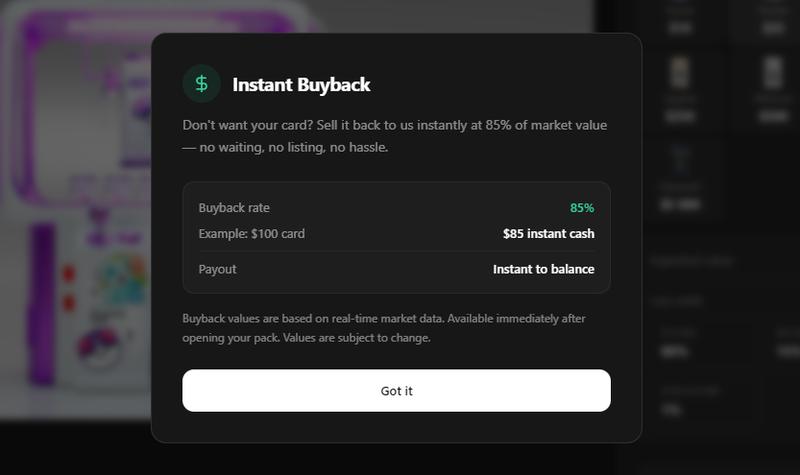
The instant buyback feature, standard across most platforms, enables an almost seamless "gacha loop": Purchase a pack, and when the card proves undesirable or lacks substantial value, sell it back for approximately 85% of its value and proceed to the next opening. Extract something valuable, and either offer it on a marketplace or retain it. Unlike physical cards, no buyer search is required, no shipping arrangements, no waiting periods.
The gacha mechanism parallels loot boxes in video gaming: Users pay for uncertain outcomes, knowing only probability distributions. Certain jurisdictions have already attempted placing loot boxes under gambling legislation. Whether this reasoning extends to tokenized TCGs likely depends on the sector's growth trajectory.
Regardless, this precisely mirrors traditional TCG market operations. The sole distinction is velocity: Offline, completing the gacha cycle requires weeks. Online, it requires mere seconds.
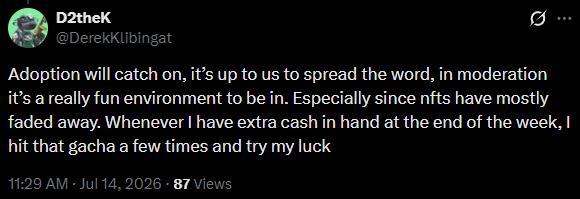
There is always speculation in an emerging market, especially in the crypto sector.
Dakota Campbell
Campbell maintained that the platform derives maximum benefit from dedicated collectors pursuing their next "grail."
Where do traditional collectors fit?
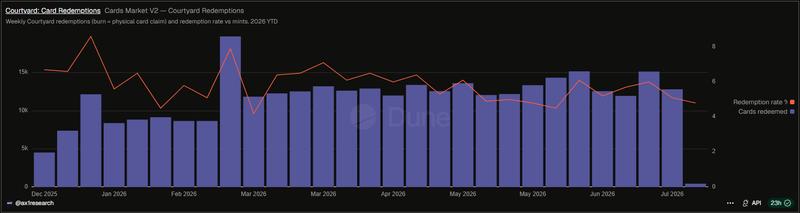
Authentic collectors of physical cards continue representing a meaningful market segment. Dune analytics indicate users burn 5% to 8% of NFTs issued on Courtyard weekly, with each burn corresponding to an actual physical redemption.
Approximately 30% of Collector Crypt's users ultimately redeem physical cards, Campbell indicates, while many additional users maintain cards in their onchain collections beyond the 72-hour buyback period instead of immediately flipping them.
In just the last 30 days, 5,400 assets shipped to 634 unique users at $3.29 million insured value.
Dakota Campbell
Modernizing established infrastructure
Fundamentally, blockchain ventures are executing the standard tokenization strategy: transferring a validated business framework onto superior infrastructure and eliminating traditional friction points.
Concerns regarding speculative characteristics within this market, or gambling's role, merit attention to the degree that platforms construct marketing campaigns emphasizing these elements.
Beyond such considerations, this simply represents standard gacha operations. Participants filter through less desirable items while pursuing rare cards. And if criticisms warrant expression, they should address the broader TCG industry, not exclusively its blockchain segment.
Regarding June's record figures, they result from multiple factors aligning. The traditional card market flourishes, tokenization has demonstrated sufficient maturity to integrate with it, and the gacha mechanism translates effectively to blockchain infrastructure.
Whether this proves sustainable remains unanswered. The gacha loop operates rapidly in both directions, and record inflows can reverse with equal speed.