
Jack Henry partnership brings stablecoin capabilities to 1,600 financial institutions via Stablecore
Through this collaboration, financial institutions utilizing the Jack Henry Fintech Integration Network gain access to tokenized deposits, cryptocurrency lending services, and round-the-clock payment infrastructure.

Digital asset infrastructure provider Stablecore has become part of the Jack Henry Fintech Integration Network, granting financial institutions using the platform the ability to provide stablecoin services and tokenized asset products via their current infrastructure.
Approximately 1,670 banks and credit unions across the United States utilize Jack Henry for core processing and digital banking technology. A significant portion of these financial entities depend on the company's Banno Digital Platform, which delivers online and mobile banking solutions to over 1,000 institutions nationwide.
The integration announcement came on Monday, with Stablecore explaining that the partnership will bridge blockchain-based offerings with conventional core banking systems.
Financial institutions that participate will have the option to introduce stablecoin account services with round-the-clock payment functionality, cryptocurrency on-ramps and off-ramps for digital currencies like Bitcoin (BTC), lending programs backed by digital assets, tokenized deposit solutions, and staking capabilities in jurisdictions where regulations allow.
By integrating these capabilities directly into current banking applications, institutions can minimize dependence on separate wallet solutions or third-party cryptocurrency exchanges. The move also illustrates a wider industry trend of integrating blockchain-powered assets into regulated banking systems as the appetite for compliant, blockchain-based cash-management solutions continues expanding.
Stablecoin infrastructure race accelerates
According to Cointelegraph's previous coverage, Stablecore secured $20 million in funding last year with the goal of assisting community banks and credit unions in adopting digital asset capabilities, particularly stablecoins, in the wake of the groundbreaking US GENIUS Act, which created a federal regulatory structure for payment stablecoins.
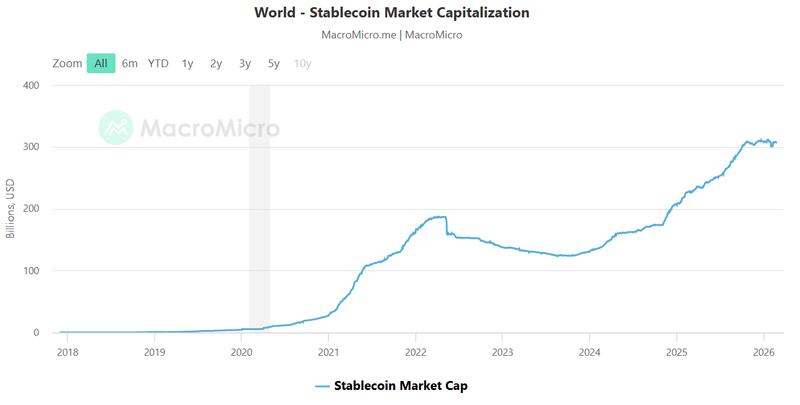
Among a rapidly expanding group of firms developing stablecoin infrastructure to broaden digital dollar accessibility, Stablecore represents a key player. Advocates maintain that stablecoins offer the potential to minimize settlement periods, lower the expense of international payments, and deliver continuous transfer functionality that traditional banking infrastructure cannot match.
The trend has been gaining traction throughout both the fintech sector and conventional financial services industry.
Just last week, Modern Treasury, a payments operations platform, announced an integrated payment offering that accommodates stablecoin transactions alongside traditional wire and ACH transfers via a collaboration with the Paxos network, demonstrating enhanced compatibility between blockchain-powered dollars and established payment infrastructure.
Simultaneously, investment management powerhouse Fidelity Investments has revealed the Fidelity Digital Dollar, a stablecoin scheduled to debut this month and engineered to enable quicker and more streamlined international settlement processes.
Major banking institutions are similarly investigating proprietary issuance options. Executives at Citigroup have openly addressed the potential for launching their own stablecoin as major financial players look to upgrade cross-border payment systems and liquidity management infrastructure.