
IMF Confirms El Salvador's Recent Bitcoin Holdings Growth Came From Private Donations, Not Public Money
Questions surrounding El Salvador's $100 million Bitcoin purchase were clarified by the IMF, which confirmed that all cryptocurrency additions following June 2025 originated from private donor contributions.
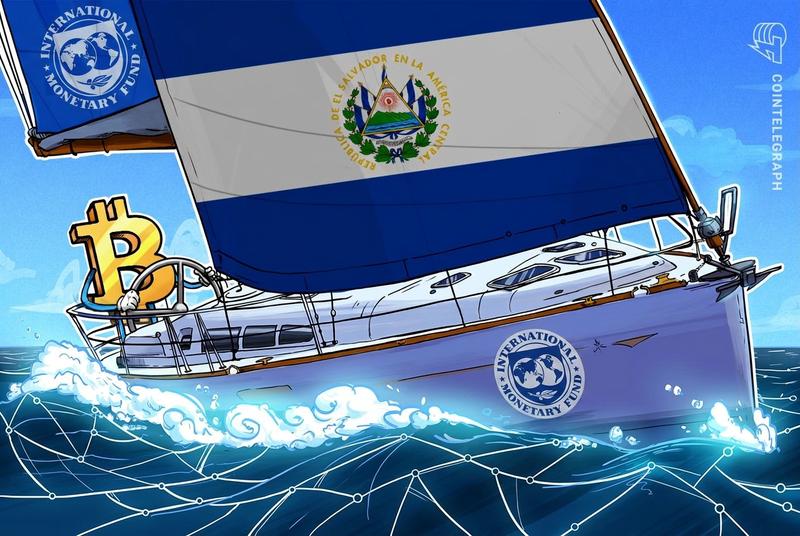
According to the International Monetary Fund (IMF), El Salvador did not utilize any government funds to grow its Bitcoin reserves following the initial assessment of its IMF financing arrangement in June 2025.
The IMF released a statement on Thursday indicating that documentation provided by El Salvador's government officials confirmed the Bitcoin accumulation resulted from privately donated funds. The international lender explained that the expansion of El Salvador's cryptocurrency reserves did not represent additional Bitcoin acquisitions funded through public resources.
The IMF further disclosed that a private operator had assumed majority ownership and operational management of the Chivo wallet, with the Salvadoran government maintaining only a minority ownership position and continuing custodial duties. The organization stated that no additional accumulation beyond the verified donations is anticipated.
This clarification responds to concerns about how El Salvador's cryptocurrency stockpile expanded following the initial program review, particularly after the nation announced in November 2025 its acquisition of 1,090 BTC valued at $100 million, which sparked renewed inquiries regarding adherence to its $1.4 billion IMF financing arrangement.
Bitcoin additions repeatedly raised questions
El Salvador committed to restricting government involvement in Bitcoin activities in December 2024 as part of the IMF financing package. The arrangement stipulated that private businesses could voluntarily choose whether to accept Bitcoin, mandated that tax payments be made exclusively in US dollars, and required the government to divest its role in the Chivo wallet system.
New documentation released by the IMF in March 2025 prohibited "voluntary accumulation" of Bitcoin by governmental entities. President Nayib Bukele countered by declaring that Bitcoin purchases were continuing unabated and affirmed El Salvador's commitment to acquiring a minimum of one BTC each day.
Following that exchange, El Salvador's Bitcoin Office has consistently published updates indicating ongoing Bitcoin accumulation. The IMF provided a preliminary explanation in July 2025, clarifying that no fresh Bitcoin acquisitions had occurred since the December commitment. The organization attributed the reported increases to the consolidation of Bitcoin holdings across various government-controlled wallets.
The November declaration brought the matter back into focus. When questioned previously, an IMF spokesperson informed Cointelegraph that the institution would refrain from offering "running commentary" regarding public announcements and would evaluate program compliance through its established review processes.
Based on data from the National Bitcoin Office's official tracking system for reserves, El Salvador presently maintains approximately 7,764 Bitcoin in its holdings. Using BTC's present valuation of $80,900 from CoinGecko, the total reserve is valued at roughly $628 million. The current balance exceeds the amount held prior to the IMF agreement being finalized, with the increases explained by the IMF as originating from private donations.