
European Central Bank partners with standards organizations to reduce digital euro implementation expenses
The ECB's partnerships encompass contactless payment technology, retail payment connections and identification-based transactions as it builds the digital euro's foundational technology.

On Friday, the European Central Bank (ECB) announced it has finalized partnerships with three European standards organizations to leverage pre-existing open payment standards for transactions involving the digital euro, in an effort to lower implementation expenses for financial institutions, retailers and payment service providers.
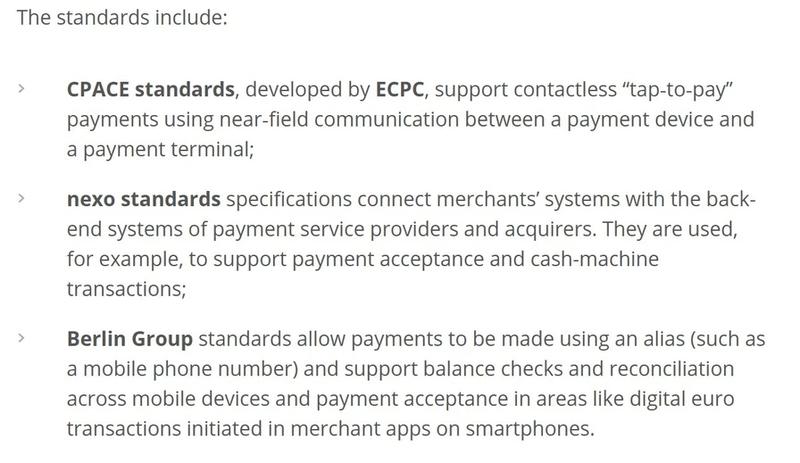
The ECB stated that the partnerships with the European Card Payment Cooperation, Nexo standards and the Berlin Group will enable the central bank to utilize standards that encompass contactless tap-to-pay technology, retail-to-payment-provider interfaces and alias-based transaction methods, including payments executed using mobile phone numbers.
According to the ECB, leveraging pre-existing open standards would keep adoption expenses low for the marketplace and facilitate the creation of a consistent digital euro customer experience throughout the eurozone. That said, the standards partnerships represent a cost-reduction measure, rather than a guarantee that the digital euro will require minimal investment to deploy.
A previous ECB study cited by Reuters projected that the digital euro implementation could require European Union financial institutions to invest anywhere from 4 billion euros to 6 billion euros across a four-year period.
The partnerships demonstrate that the ECB is working to eliminate one technological obstacle to digital euro acceptance. That said, the initiative does not directly address the larger financial question confronting banks that could still face multi-billion euro expenditures to prepare infrastructure, personnel and regulatory compliance mechanisms for a potential rollout.
ECB prepares technical layer ahead of pilot
According to the ECB, the partnerships are designed to promote early collaboration among payment service providers, standardization organizations and additional market stakeholders in advance of a potential digital euro deployment.
The central bank noted that Europe presently does not have a universally accessible open standard that is supported throughout payment terminals and continues to rely significantly on proprietary standards controlled by international card networks and worldwide digital wallet providers.
This standards initiative comes after previous indications that the ECB is prioritizing clarity around the digital euro's technical architecture to allow banks and retailers to start preparing their infrastructure. On March 25, ECB Executive Board member Piero Cipollone indicated the central bank anticipated revealing critical technical standards by summer.
The ECB is additionally conducting a separate recruitment process for payment service providers to participate in a 12-month digital euro pilot program anticipated to commence during the second half of 2027. On Feb. 18, the ECB announced the pilot program will incorporate a select number of payment service providers, retailers and Eurosystem personnel, with PSPs serving a pivotal function in digital euro distribution.