
Coinbase and MarketVector unveil new index combining Bitcoin with tokenized gold
The newly introduced Bitcoin-gold composite index underscores evolving perspectives on cryptocurrency as a wealth preservation tool amid rising equity market correlations and gold's superior performance.

Coinbase Asset Management and MarketVector Indexes have introduced a groundbreaking index that monitors both Bitcoin and tokenized gold, providing investors with access to assets traditionally linked to preservation of wealth.
On Thursday, the two firms announced the Coinbase Store of Value Index, which monitors Bitcoin (BTC) alongside Pax Gold (PAXG) — among the most prominent tokens backed by physical gold. This index serves as a benchmark that merges digital currencies with conventional store-of-value assets.
The weighting methodology for Bitcoin and gold employs an inverse volatility approach, which allocates greater portions to assets exhibiting reduced volatility levels.
Quarterly rebalancing occurs for the benchmark, which is computed as a price-return index denominated in US dollars.
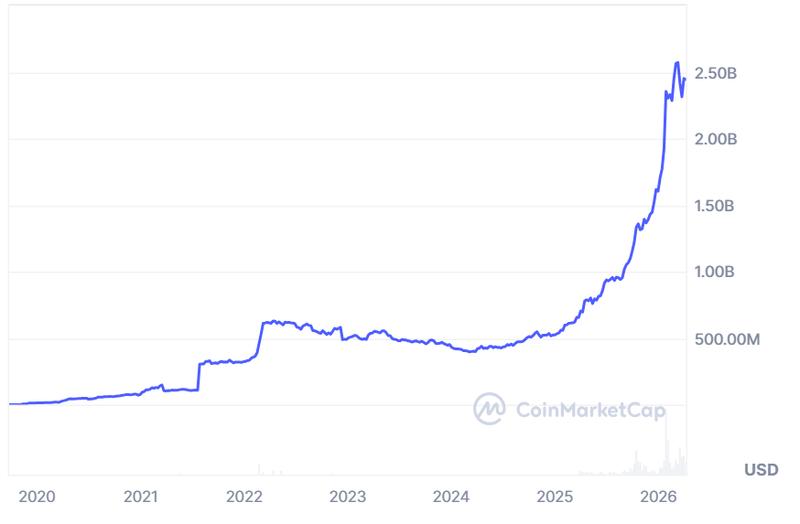
Based in Europe, MarketVector operates as a regulated benchmark administrator with established expertise in conventional indexing, while also venturing into digital asset territory with offerings like the MarketVector Digital Assets 100 Index alongside the Coinbase 50 Index.
Bitcoin's store-of-value narrative faces renewed scrutiny
According to MarketVector and Coinbase, the index represents a changing interpretation of what constitutes a "store of value," a concept now expanding beyond gold to encompass BTC.
For years, Bitcoin has been regarded as a promising store of value, supported by its robust long-term performance compared to conventional assets and its reputation as an inflation hedge.
Yet this characterization has encountered challenges throughout the past year, with Bitcoin occasionally behaving more like a risk-on asset — frequently moving in correlation with equity markets, especially within the technology sector.
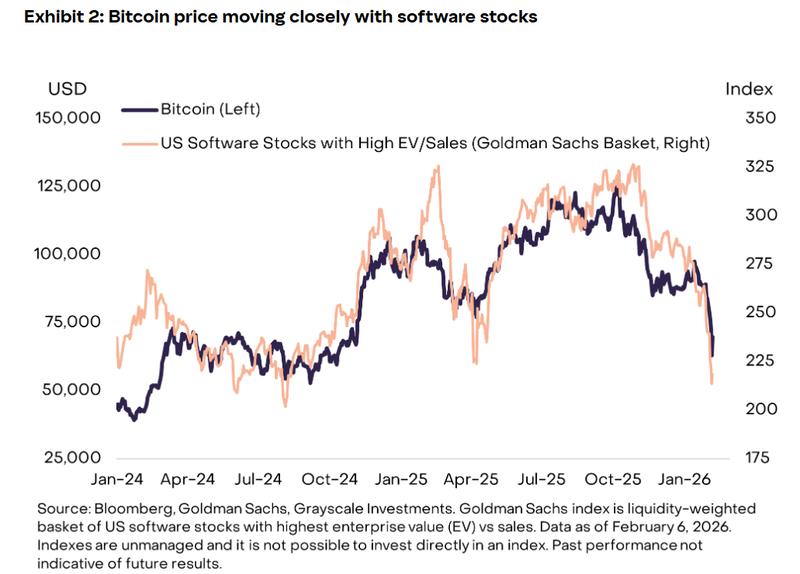
Grayscale Investments brought attention to this pattern in research published during February, determining that Bitcoin has demonstrated characteristics more similar to a growth stock rather than a conventional store of value during periods of macroeconomic and geopolitical turbulence.
Market observers have additionally noted Bitcoin's decreasing returns, with gold surpassing the leading digital asset throughout 2025. Following a peak exceeding $69,000 in 2021, Bitcoin's subsequent cycle reached a maximum of approximately $126,000 this past October — a valuation falling short of doubling its prior all-time high.