
BTC Maintains $81K Level as Derivatives Data Shows Weakness: Can Bulls Keep Momentum?
Bitcoin pushed toward the $82,000 mark, yet derivative market indicators suggest bullish traders must step up to maintain upward momentum.

Key takeaways:
- Although Bitcoin's onchain metrics and derivatives markets reveal limited trader engagement, unprecedented inflows into spot ETFs indicate robust demand from institutions.
- The lack of excessive leveraged long positions could paradoxically support additional gains as short sellers face buyback pressure if Bitcoin continues climbing.
Bitcoin (BTC) registered a 7% increase during the previous week, surpassing the $81,000 threshold for the first time in more than three months. However, despite this impressive price action, available data indicates that Bitcoin derivatives markets are showing a lack of bullish conviction among market participants, which prompts concerns about whether the upward trend can be maintained.
Bitcoin derivatives markets don't reflect trader enthusiasm at $81,000
Various macroeconomic indicators and multiple onchain data points suggest weakening appetite from market participants.
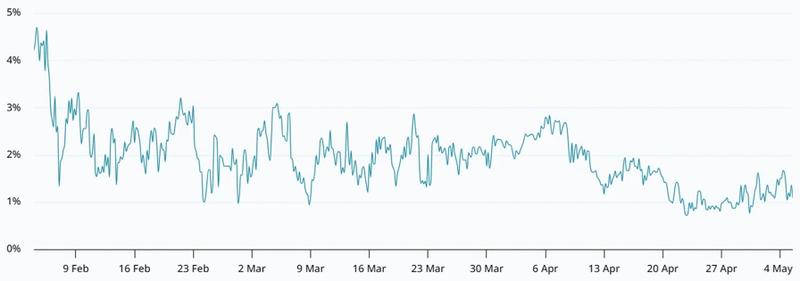
On Tuesday, Bitcoin monthly futures contracts were trading at merely a 1% annualized premium (basis rate) compared to spot markets, which sits significantly beneath the neutral range. Under normal market conditions, sellers typically require a 4% to 8% premium as compensation for their capital costs. This conservative market sentiment emerged in late January, during a period when Bitcoin was changing hands at $90,000, which partially accounts for the present lack of trader excitement.
To verify whether this problem is exclusive to the futures market, analysts should examine the equilibrium between put (sell) and call (buy) options demand. During neutral market conditions, these financial instruments typically trade with a -6% to +6% premium in relation to one another. Whenever professional market participants become concerned about potential downside movement, the delta skew metric rises beyond 6%.
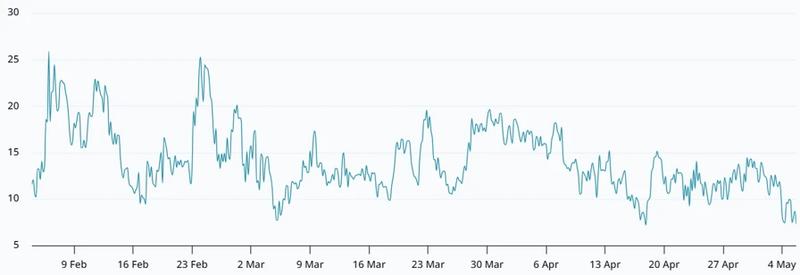
On Tuesday, the Bitcoin delta skew indicator approached closer to the 6% neutral boundary, although it continued to display a slightly bearish bias. Large holders and market makers don't seem especially concerned about a sudden market collapse, yet the confidence level among bulls has evidently plateaued. With Brent crude oil prices remaining around $110, ongoing inflation worries are creating headwinds for traders' outlook on economic expansion.
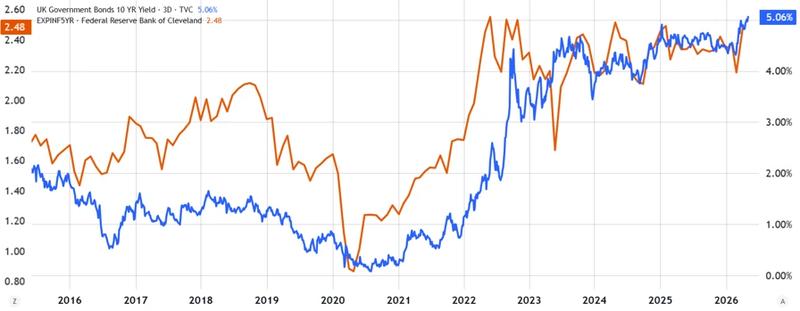
According to data from the Federal Reserve Bank of Cleveland, US inflation expectations approached a 10-year peak of 2.5%. At the same time, market participants are requiring increased returns for holding Eurozone government bonds. In spite of these inflationary headwinds, the tech-heavy Nasdaq 100 Index climbed to an all-time high on Tuesday, indicating a wider risk-on market environment.
Weakening Bitcoin onchain metrics contrast with substantial spot ETF accumulation
Bitcoin could have gained from this heightened appetite for risk, yet weak onchain data suggests diminishing retail interest.
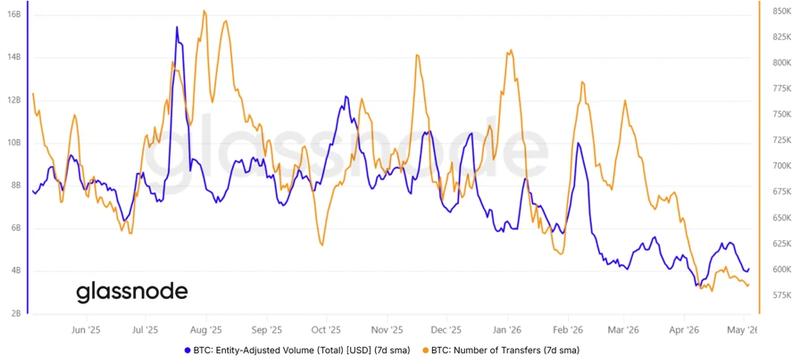
The daily network transfer volume has declined by 54% compared to three months earlier, falling to $4.1 billion. In a similar fashion, the total number of transfers is approaching its weakest level in more than five years. Although Bitcoin's price movement isn't strictly tied to onchain activity levels, these indicators function as a representation of broader public engagement and network adoption.
The brief interruption in Strategy's (MSTR US) accumulation strategy prior to its earnings announcement may have triggered some unjustified concern among investors. The company, under the leadership of Michael Saylor, had sustained an aggressive buying program during the preceding four weeks. Nevertheless, market analysts anticipate Strategy will announce a quarterly net loss attributable to its mark-to-market Bitcoin accounting methodology.
While macroeconomic fragility and deteriorating onchain activity have adversely affected Bitcoin derivatives markets, the $1.16 billion in net inflows into US-listed Bitcoin spot exchange-traded funds (ETFs) from Friday through Monday points to strengthening institutional demand.
In the final analysis, the absence of strong demand for leveraged bullish positions within Bitcoin derivatives markets could potentially act as a driver for continued upside price action. When prices continue to rise, shorts (sellers) could face forced position closures at unfavorable prices, generating additional upward momentum.