
BPI Executive Argues Bitcoin and USD Share Mutually Beneficial Bond
According to Sam Lyman from the Bitcoin Policy Institute, increased demand for one currency actually reinforces the other, challenging conventional wisdom, as he explained to Cointelegraph.

According to Sam Lyman, who serves as head of research at the Bitcoin Policy Institute (BPI), a digital asset advocacy organization based in Washington DC, Bitcoin (BTC) and stablecoins pegged to the US dollar maintain a "symbiotic" connection where both benefit from increased utilization.
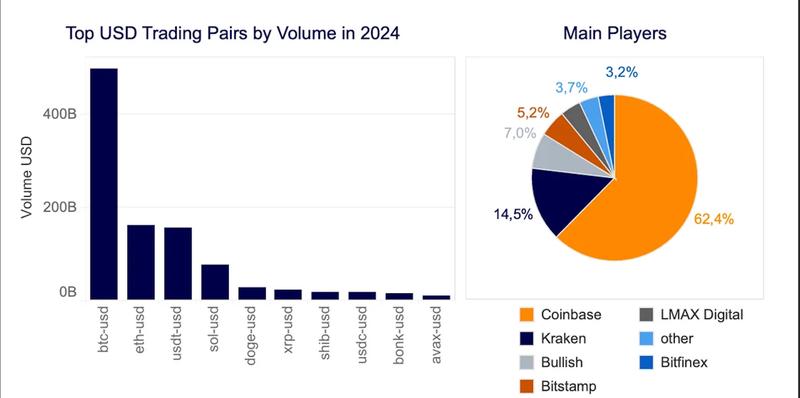
In conversation with Cointelegraph, Lyman explained that "Bitcoin is beneficial to the US system because the largest Bitcoin trading pair is BTC/USD," which refers to Tether's USDt (USDT) stablecoin, a digital currency supported by short-term US government debt and cash deposits. His further comments included:
"There is a symbiotic relationship between BTC and the dollar system because BTC is most frequently traded in dollars. So, I do see those things as being mutually reinforcing, which runs contrary to the narrative around BTC that it would actually undermine the dollar."
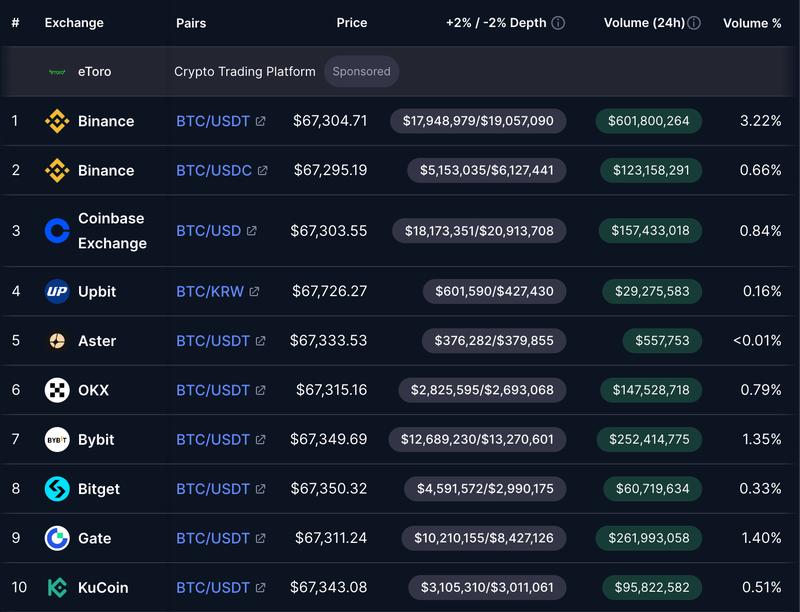
According to Lyman's analysis, the connection between Bitcoin and stablecoins backed by the dollar mirrors the relationship between oil and the dollar. Through the petrodollar system, established in the early 1970s, oil transactions on the international market are denominated in dollars, which creates additional demand for the American currency.
In his recommendation to US lawmakers, Lyman emphasized the importance of advancing stablecoin regulations that were outlined in the GENIUS regulatory framework, while maintaining adherence to its fundamental principles, as a means to preserve and enhance US dollar hegemony and maintain geopolitical competitiveness.
China clamps down on permissionless blockchain tech to push for CBDC
According to Lyman's statement to Cointelegraph, the People's Republic of China has issued multiple "bans" on Bitcoin and stablecoins, viewing both as representing a "tremendous threat" to the government's system of capital controls, which constitute a vital element of the Chinese economic structure.
In his explanation, he stated that "The entire Chinese economy depends on capital controls. China is able to keep money within the country by preventing its elite from moving money out of the country."
Lyman pointed out that this rationale explains China's decision to reaffirm its prohibition on stablecoins in 2025, opting instead to introduce the digital yuan, which functions as a yield-bearing central bank digital currency (CBDC) designed to regulate capital flows and secure a greater share of the foreign currency exchange market.
Central bank digital currencies, known as CBDCs, are entirely programmable and remain under the direct control of either the government or the central bank responsible for issuing the digital fiat currency.
Nevertheless, according to Lyman, these prohibitions have proven ineffective in actually preventing permissionless cryptocurrency activity, which encompasses both Bitcoin mining operations and stablecoin transactions flowing into and out of China.
Even with a comprehensive prohibition on Bitcoin mining activities, Chinese mining pools maintain control over more than 36% of the global hashrate among mining pools, which represents the aggregate computing power that mining pools contribute toward securing the network, based on data from Hashrate Index.