
Australian payment framework proposal considers stablecoin integration possibilities
Australia's proposed domestic payment infrastructure strategy suggests tokenized fiat and stablecoins may fundamentally alter future money transfer mechanisms.

The nation's upcoming account-to-account (A2A) payment infrastructure could require modifications to accommodate tokenized monetary forms that are experiencing wider adoption, such as stablecoins and tokenized liabilities, based on a proposed framework for Australia's domestic payment systems.
This proposed framework, created collaboratively by the Account-to-Account Payments Roundtable—comprising AusPayNet, Australian Payments Plus, the Reserve Bank of Australia and the Commonwealth Treasury—recognizes digital assets among various external factors that may influence the evolution of A2A payment systems.
Tokenised forms of money, such as stablecoins and tokenised liabilities, are moving from experimentation to adoption.
According to the draft document, tokenized monetary instruments represent a transition toward programmable, distributed ledger-based value systems that may facilitate novel settlement frameworks, round-the-clock accessibility and enhanced automated transaction processing.
The consultation document indicates that Australia's payment system architects are starting to incorporate tokenized money as a fundamental design element for primary payment infrastructure development.
The framework document stated that A2A payment systems "may need to support secure interoperability between account-based money and tokenised representations of fiat currency," facilitating dependable fund transfers across these distinct environments while preserving confidence and security.
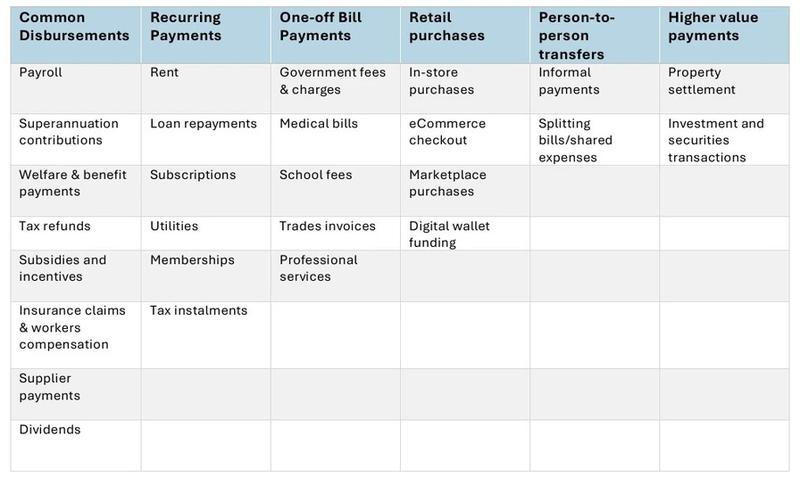
The proposed framework additionally positions digital assets as a prospective complementary value infrastructure layer among other emerging developments influencing payment systems.
According to the document, these technological innovations have the potential to transform payment initiation, authorization and oversight processes, simultaneously introducing fresh challenges concerning accountability, liability, information usage and system robustness.
Australia advances tokenization work
The A2A framework consultation emerges alongside Australia's ongoing comprehensive initiatives regarding tokenized currency, stablecoins and regulatory frameworks for digital assets.
During July 2025, the RBA together with the Digital Finance Cooperative Research Centre revealed the chosen applications for Project Acacia, an initiative focused on wholesale digital money that examines settlement mechanisms within tokenized asset marketplaces.
According to the RBA, suggested settlement instruments for these applications encompassed stablecoins, tokenized bank deposits, an experimental wholesale central bank digital currency and innovative approaches to utilizing banks' current exchange settlement accounts maintained at the RBA.
Speaking on March 25, RBA Assistant Governor Brad Jones indicated that the subsequent stage of financial infrastructure advancement would necessitate progressing beyond temporary pilot programs toward extended, phased testing environments enabling industry participants and regulatory bodies to evaluate emerging technologies and refine policy frameworks.
Jones emphasized that the integration of wholesale CBDC with tokenized bank deposits and stablecoins, alongside the alignment of tokenized asset ledger systems with Australia's existing settlement infrastructure, would represent key focus areas.
Australia has additionally taken steps to incorporate segments of the digital asset industry within its financial services regulatory structure. During November, the Treasury announced that forthcoming digital asset legislation would establish two distinct financial product categories, digital asset platforms and tokenized custody platforms, mandating that these entities obtain an Australian Financial Services Licence.