
Analyst Warns: Iran Conflict Aftermath Will Shape 2026 Markets as BTC Shows Weakness
According to Coin Bureau's Nic Puckrin, the consequences of the Iran conflict are expected to impact financial markets throughout most of 2026, pushing any potential rate reductions to Q3 at the soonest.
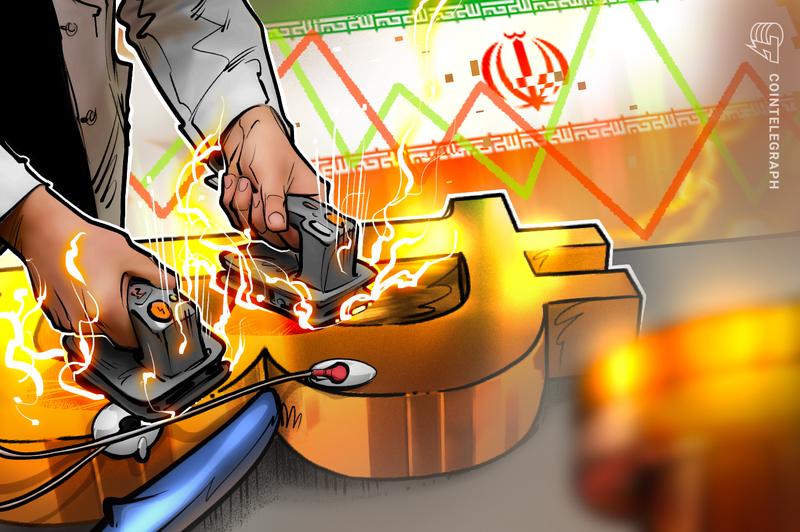
The Bitcoin (BTC) rally that began nearly a week ago remains on shaky ground, as cryptocurrency markets confront significant geopolitical and macroeconomic challenges stemming from the continuing Middle East conflict, says Nic Puckrin, a cryptocurrency market analyst who founded the Coin Bureau media platform.
"The war's impact will probably define the narrative of 2026, even if hostilities cease immediately, and will certainly be the primary story throughout Q2. My expectation is that rate cuts won't materialize before late Q3 or Q4, and may not happen at all," Puckrin explained in his conversation with Cointelegraph. According to his analysis:
"To witness a rally toward $90,000, we would require several aligned conditions: a ceasefire leading to reduced geopolitical tensions, oil prices falling consistently toward $80, and preferably economic data coming in softer than anticipated to ease stagflation concerns."
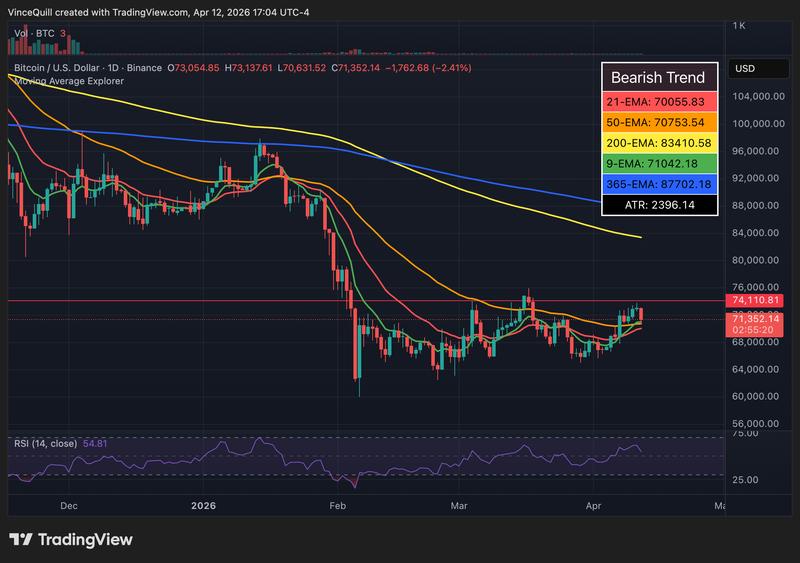
Should Bitcoin manage to close this week trading above $71,000, it would indicate the potential for further gains, though resistance is expected to emerge near the $74,000 price point, according to his assessment. The latest market data from TradingView showed BTC changing hands around $71,276.
The current military conflict has triggered an inflationary surge, as evidenced by the US Bureau of Labor Statistics (BLS) Consumer Price Index report released on Friday, dampening expectations for additional interest rate reductions throughout 2026. Reductions in interest rates or loosening of credit conditions typically provide upward momentum to asset valuations.
Bitcoin falters following collapse of Iran peace talks and President's major escalation warning
Starting on April 6, Bitcoin experienced an approximately 5.8% rally, climbing above $73,000, but subsequently pulled back to roughly $71,000 by April 11, after reports emerged of unsuccessful diplomatic negotiations between the US and Iran, as documented by the Kobeissi Letter.
"It appears that peace negotiations have hit a dead end," the Kobeissi Letter reported, further noting, "the results of the diplomatic talks were arguably the most unfavorable outcome possible."
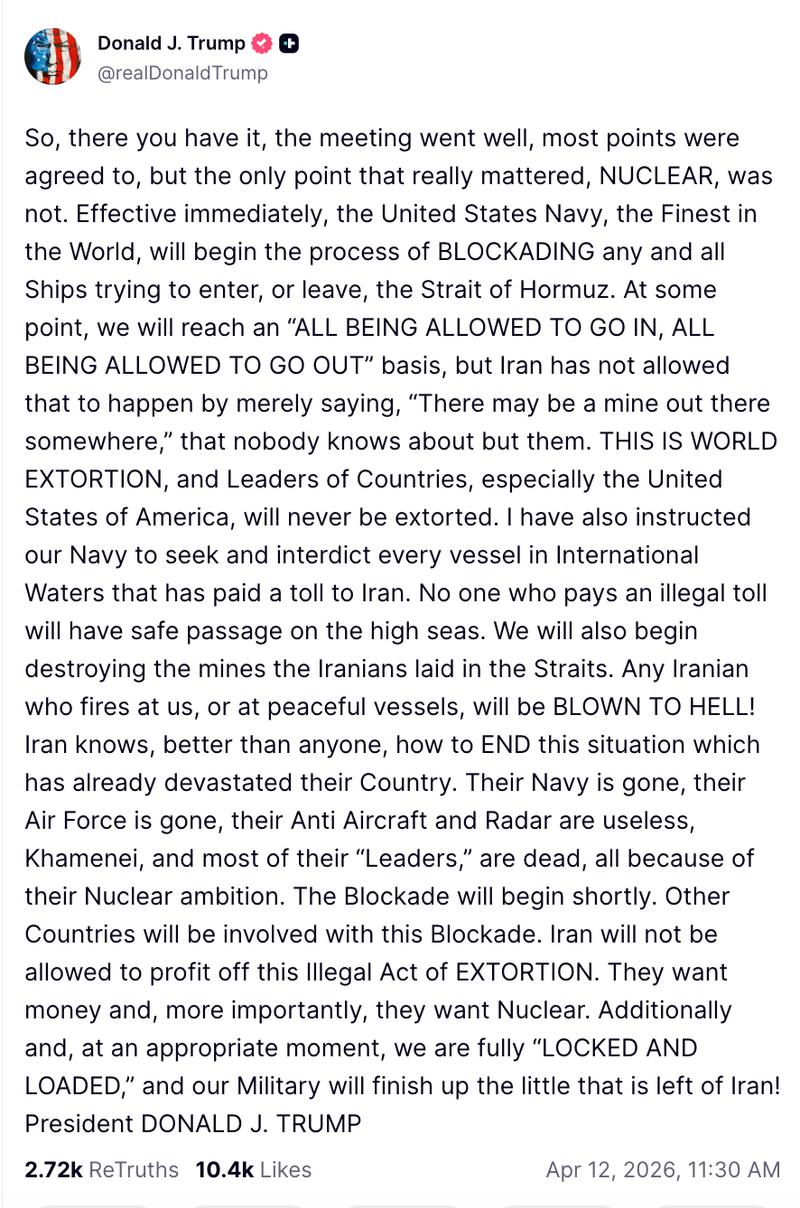
In the aftermath of the diplomatic breakdown, US President Donald Trump announced that he had ordered the US military to establish a naval blockade surrounding the Strait of Hormuz.
"I have further directed our Navy to locate and intercept any vessel operating in international waters that has paid a toll to Iran. Anyone who pays an illegal toll will not enjoy safe passage on the high seas," Trump declared on Saturday.
Federal Open Market Committee (FOMC) members, the body responsible for determining interest rate policy in the United States, continue to show disagreement regarding additional interest rate cuts during 2026, pointing to inflation worries arising from the military conflict.
The FOMC has not eliminated the possibility of raising interest rates in 2026 should inflation persist above the 2% target level, as indicated in the minutes released from the March FOMC meeting.
Data from the CME Fedwatch tool indicates a probability exceeding 98% that the FOMC will keep the current target rate range of 350-375 basis points unchanged during the upcoming two meetings scheduled for April 29 and June 17. The likelihood decreases to approximately 65% for the July 29 meeting, while there exists a 33.6% probability of a 25-bps reduction.