
Austrian E-Money License Granted to Bybit's European Payments Division
The Austrian payments division of Bybit has obtained regulatory clearance to build card solutions, merchant services, open-banking capabilities and peer-to-peer payment options.
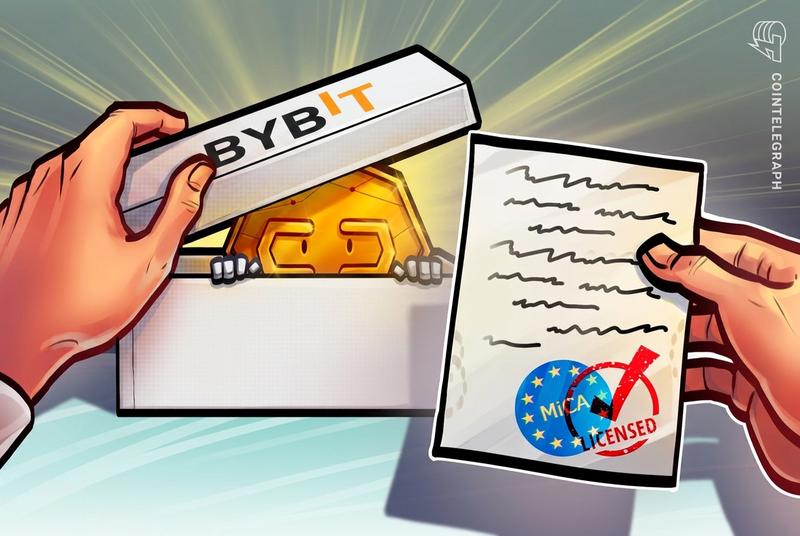
The European payments division of Bybit has obtained an electronic money institution license from Austrian authorities, granting the cryptocurrency exchange a regulatory framework to introduce payment and electronic money services to its platform in the region.
Bybit announced on Tuesday that its Bybit Payments GmbH entity obtained the license from Austria's Financial Market Authority. The regulatory approval establishes a legal framework for upcoming payment functionalities, potentially encompassing peer-to-peer payment solutions, payment services for merchants, open banking capabilities and card-based products.
These payment solutions will become available on Bybit.eu in conjunction with services delivered by Bybit EU GmbH, a distinct Austrian company that has been authorized under the European Union's Markets in Crypto-Assets Regulation framework since May 2025. The Bybit.eu platform caters to customers throughout the European Economic Area (EEA), though Malta is not included in the coverage.
While Bybit has not provided specific details explaining Malta's exclusion, the company indicated on its website that its services are accessible exclusively in jurisdictions where the relevant MiCA passporting requirements have been satisfied.
According to Bybit, the two separate entities will operate under different regulatory permissions and obligations. Bybit EU GmbH has authorization to deliver crypto custody services, exchange operations, placement activities and transfer services, whereas Bybit Payments GmbH will manage regulated electronic money and payment products upon their launch.
The cryptocurrency exchange indicated that this new regulatory achievement has the potential to enhance its partnerships with banking institutions, payment service providers and corporate clients while decreasing its dependence on third-party payment infrastructure providers.