Traditional Banking Association Mulls Legal Challenge Against OCC's Crypto Charter Approvals: Sources
Since December, the OCC has issued conditional charter approvals to multiple cryptocurrency companies, including Paxos, Ripple, BitGo, and Crypto.com, with additional firms like Zerohash also submitting their applications.

An influential banking trade association representing several of America's largest financial institutions is reportedly exploring the possibility of filing a lawsuit against the Office of the Comptroller of the Currency (OCC), contending that providing bank charters to cryptocurrency companies could endanger American citizens and destabilize the nation's financial infrastructure.
A Monday report from The Guardian, referencing a "source familiar with the lobby's thinking," indicated that the Bank Policy Institute (BPI) is exploring potential legal avenues following the OCC's decision to disregard concerns raised by traditional banking organizations regarding its new interpretation of federal licensing regulations.
Last December saw the OCC provide conditional approval for national trust bank charters to a number of cryptocurrency companies, among them Paxos, Ripple, Fidelity Digital Assets and BitGo. Since that time, an increasing number of additional crypto enterprises have pursued similar approvals.
On Feb. 27, blockchain infrastructure provider Zerohash filed its application with the regulatory body. Additionally, during February, the OCC granted conditional licensing to Stripe, Bridge, and Crypto.com.
World Liberty Financial, which has backing from Trump, also filed for a charter in January with the goal of broadening the adoption of its USD1 stablecoin, though it remains in the queue awaiting regulatory approval.
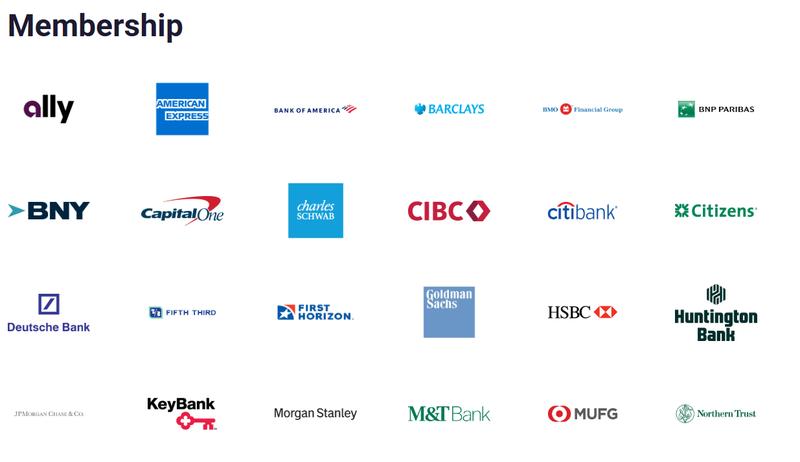
The BPI, whose membership roster includes prominent American financial powerhouses like JPMorgan, American Express, and Goldman Sachs, has expressed apprehension that cryptocurrency companies holding national trust bank charters could introduce systemic dangers to the broader financial ecosystem.
A national trust bank charter represents a federal authorization issued by the OCC that allows an entity to function as a trust bank operating under federal regulations and to conduct fiduciary operations including asset safekeeping, custody and trust services.
Banking group hasn't made the final call yet
The Guardian's reporting indicates that the BPI has yet to reach a conclusive determination regarding whether it will move forward with litigation against the OCC. Cointelegraph reached out to the Bank Policy Institute seeking additional commentary.
Last October, the BPI issued a public statement calling on the OCC to deny national trust company charter requests from several crypto companies, including Circle and Ripple. The organization's position was that approving these charters would lead to reduced regulatory scrutiny compared to what full-service national banks must comply with.
The BPI also participated as one of multiple banks and business associations that initiated legal proceedings against the Federal Reserve toward the end of 2024 concerning its stress-testing methodology used to evaluate the banking sector's resilience and overall health. Subsequently, the Fed has committed to revisiting certain elements of the framework, and the litigation has been temporarily suspended.