Mestia faces electricity metering rollout as Georgia combats illicit cryptocurrency mining: Report
Authorities in Georgia plan to deploy electricity monitoring systems throughout Mestia in an effort to combat unauthorized cryptocurrency mining operations after attributing power infrastructure problems and blackouts to mining activities.

Authorities in Georgia plan to deploy electricity monitoring systems throughout villages and residential areas in Mestia as part of an enforcement initiative targeting unauthorized cryptocurrency mining activities that government officials claim are placing excessive demands on the area's electrical infrastructure.
According to reports from local media outlet 1tv, Vice Prime Minister Mamuka Mdinaradze stated on Monday that unauthorized mining activities caused Mestia's power consumption to reach 133 million kilowatt-hours in 2025, representing more than 13 times the consumption levels seen in similar municipalities.
Mdinaradze reportedly explained that extensive unauthorized mining enterprises have caused declining energy reliability and electrical grid overload, triggering multiple power failures throughout the area, impacting local inhabitants as well as visitors to the region. He further noted that law enforcement authorities have received directives to locate and identify unauthorized mining facilities.
Cointelegraph has contacted the Georgian government seeking information regarding penalties for unauthorized mining activities and whether operators of such facilities might have access to a licensing process that would allow them to legitimize their operations.
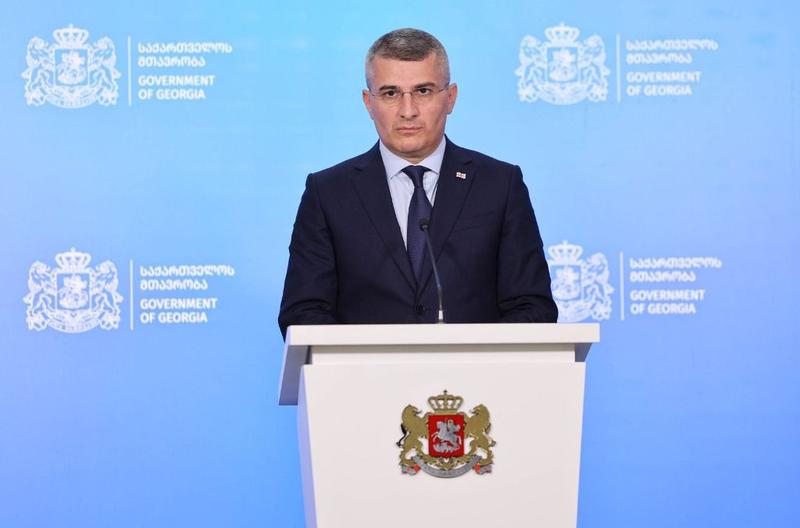
Unauthorized Bitcoin mining operations impose $9.5 million yearly costs on Mestia, vice PM reports
Unauthorized Bitcoin mining enterprises operating within the Municipality of Mestia drove the area's power consumption to 133 million kilowatt-hours in 2025, surpassing the typical average of approximately 10 million kilowatt-hours recorded in comparable regions.
According to Mdinaradze, this surplus electricity consumption created economic losses estimated at approximately 20-25 million lari, equivalent to as much as $9.4 million on an annual basis.
Mdinaradze explained that metering systems will be deployed at the local level and on a broader scale throughout individual villages and settlements, which will assist in pinpointing the precise locations of unauthorized mining enterprises.
Mdinaradze further clarified that electricity provision in Svaneti will continue to be provided free of charge to all consumers up to a specified threshold and that the new measures are designed exclusively to suppress unauthorized mining operations.
The country of Georgia provides inexpensive electricity thanks to plentiful hydroelectric power generated from the Caucasus Mountains, establishing it as an attractive location for Bitcoin mining enterprises in search of affordable energy resources.
The nation has also drawn cryptocurrency mining operations through minimal electricity pricing and advantageous tax policies, encompassing free industrial zones and value-added tax exemptions applicable to specific cryptocurrency-related business activities.
The Bitcoin mining enterprise Bitfury ranked among the earliest significant corporations to set up operations within the country. In 2014, the company constructed a 20-megawatt Bitcoin mining installation referred to as the Gori Data Center.