Judge dismisses Caitlyn Jenner memecoin case, ruling token doesn't qualify as security
A California federal court has dismissed a class-action lawsuit targeting Caitlyn Jenner's memecoin, ruling that plaintiffs failed to demonstrate the token constituted an unregistered security.
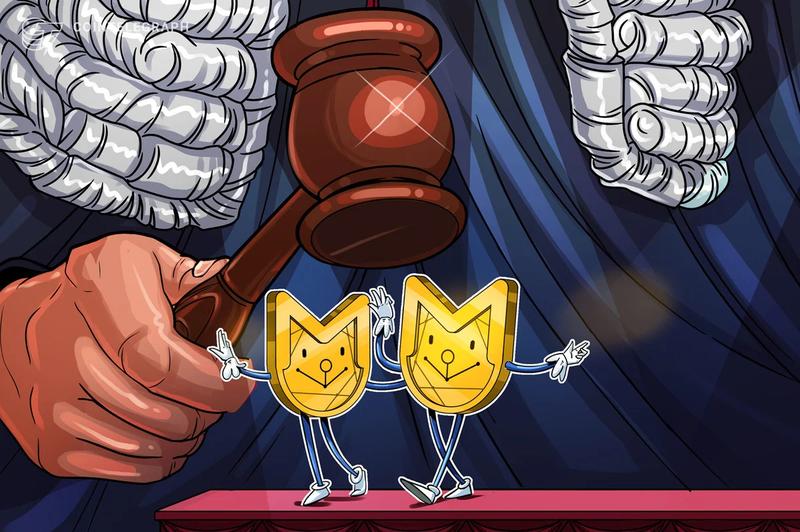
Former Olympic champion and US television personality Caitlyn Jenner has been released from a class-action legal challenge following a federal judge's determination that her memecoin does not constitute a security according to United States law.
In a Thursday ruling, California federal judge Stanley Blumenfeld Jr. determined that the legal action did not successfully demonstrate that Caitlyn Jenner (JENNER) tokens qualified as investment contracts, noting the absence of pooled investor capital or the utilization of funds for the development of "any related product or technology."
Defendants stated that '[t]he $JENNER token is a memecoin on the Ethereum blockchain intended solely for entertainment purposes,' and that its value would increase because Jenner would use her fame and influence to promote it, increasing demand.
Promotion alone, however, does not establish a common enterprise absent pooling or a structure linking investor fortunes.
The legal proceedings began when a collective of JENNER memecoin purchasers initiated legal action against Jenner and her late manager, Sophia Hutchins, in November 2024, alleging they suffered losses totaling thousands of dollars following the token's price crash and asserting that JENNER represented an unregistered securities offering.
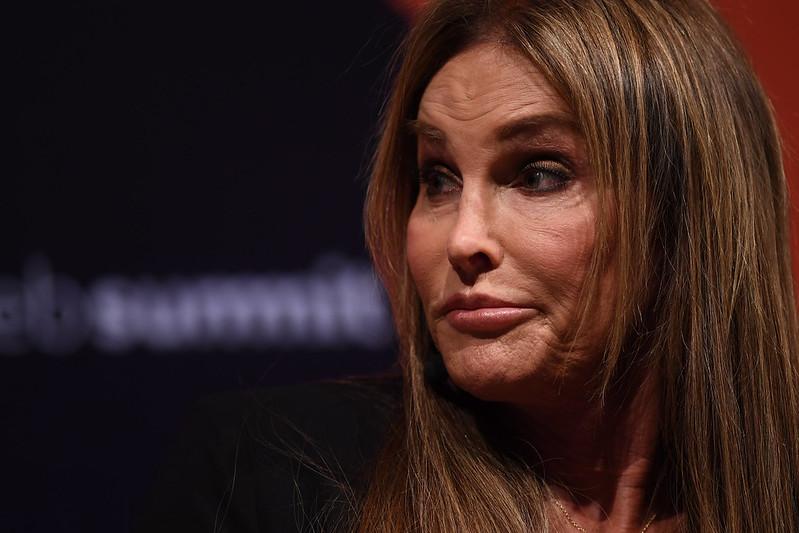
Judge Blumenfeld dismissed the lawsuit in May 2025 due to insufficient grounds for a claim, prompting the plaintiff group to submit a revised complaint during the same month, spearheaded by Lee Greenfield, a United Kingdom citizen who asserted losses exceeding $40,000 from his JENNER investment.
The revised legal filing contended that investors had combined their resources based on Jenner's commitment that upon the token achieving a $50 million market capitalization, a 3% transaction fee would finance token buybacks, promotional activities, contributions to Donald Trump's presidential campaign and a token representing ownership in Jenner's Olympic gold medal.
In his written decision, Blumenfeld noted that the revised complaint placed significant emphasis on proposed donations to Trump, yet failed to clarify how investors anticipated such contributions would generate financial returns for themselves.
Nor is it clear that the alleged plan to distribute fractionalized ownership interests in Jenner's gold medal has any bearing on Greenfield's claim, since the plan was not announced until August 2024—after the last of his purchases—and was never executed.
Judge Blumenfeld refused to grant the plaintiff class an additional opportunity to revise their lawsuit and noted that allegations concerning contracts and common law fraud under California law would be more appropriately addressed in state court.
The JENNER token initially debuted on the Solana blockchain through the memecoin creation platform Pump.fun in May 2024. The project quickly became mired in controversy following claims by Jenner and other celebrities launching memecoins that they had been defrauded by Sahil Arora, an individual purported to be a collaborator on the tokens.
Following the controversy, Jenner relaunched the token on the Ethereum network, a move that investors contended reduced the value of the original Solana-based token. The token has subsequently lost virtually all its value after reaching a peak market capitalization of nearly $7.5 million in June 2024.