BTC Plunges to 11-Day Bottom at $62K as Analysts Issue $54K Alert Amid Asian Tech Rout
Crypto analysts are cautioning about potential "new lows" following Bitcoin's drop beneath $62,000 – its first such decline in almost two weeks – as Asian equity markets tumbled as much as 10%.

On Tuesday, Bitcoin (BTC) approached its lowest price point in nearly two weeks as technology stocks across Asian markets experienced a sharp pullback.
Key points:
- Bitcoin trends downward alongside Asian stock markets as "unprecedented inflows" transform into a technology-sector selloff.
- Crypto analysts issue warnings about potential "new lows" for BTC pricing, with one forecast targeting $54,000.
- Options trading venues remain on the hunt for an appropriate trigger to spark increased volatility.
BTC price dips under $62,000 as Korea stock market drops 10%
According to data captured by TradingView, BTC/USD recorded intraday lows reaching $61,860, marking a price level not witnessed since June 11.
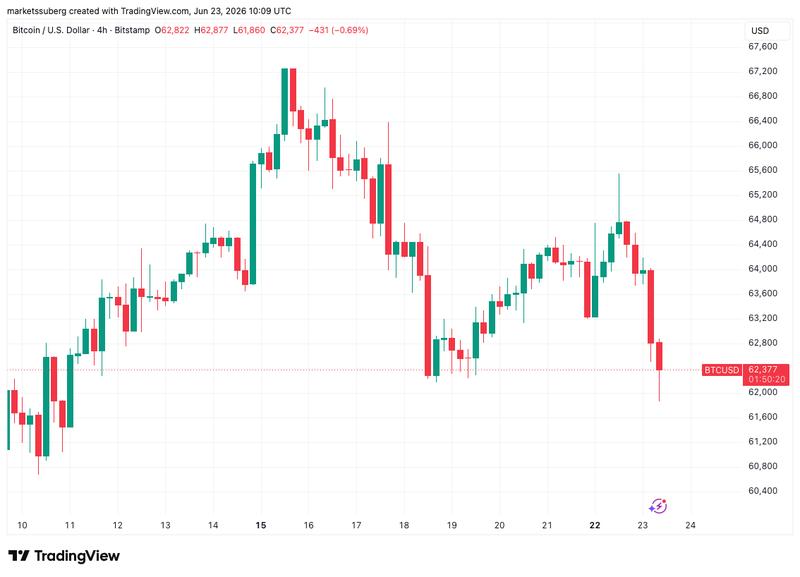
Investment sentiment across Asia turned cautious as leading technology equities faced widespread liquidation, resulting in substantial broader market losses.
At the time of writing, South Korea's Composite index had declined 10%, whereas Japan's Nikkei 225 experienced a drop approaching 4%.
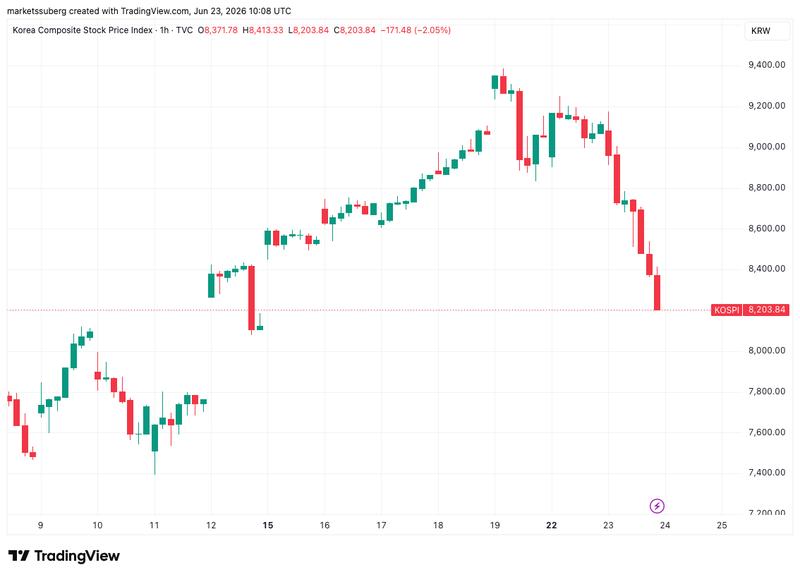
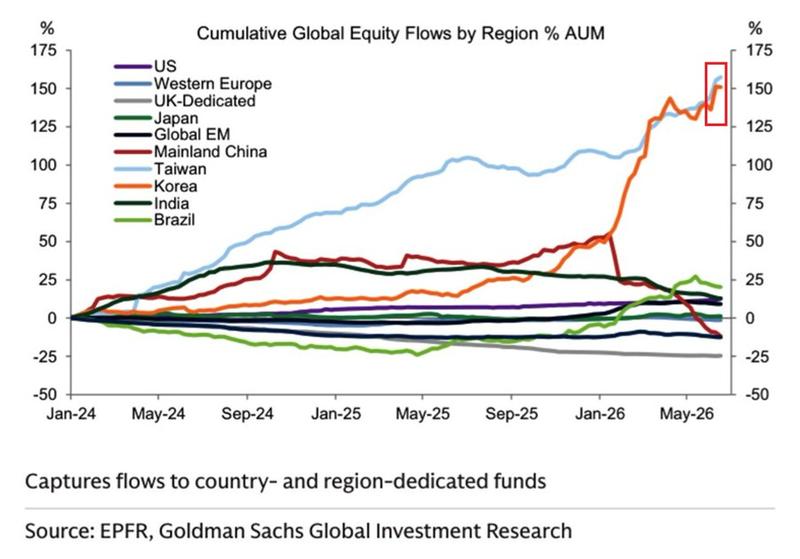
This downturn reversed what had been a notable liquidity influx into both Korean and Taiwanese markets, with market intelligence provider The Kobeissi Letter documenting "unprecedented inflows" into these regions.
"Cumulative equity fund inflows into Taiwan have climbed to +155% of assets under management (AUM) since January 2024, representing the highest figure among all global markets. South Korea has trailed only slightly, at +150% of AUM during the identical timeframe, tripling so far in 2026," the firm stated in a post on X on Monday.
"Both markets are now operating at least +500% above every other market."
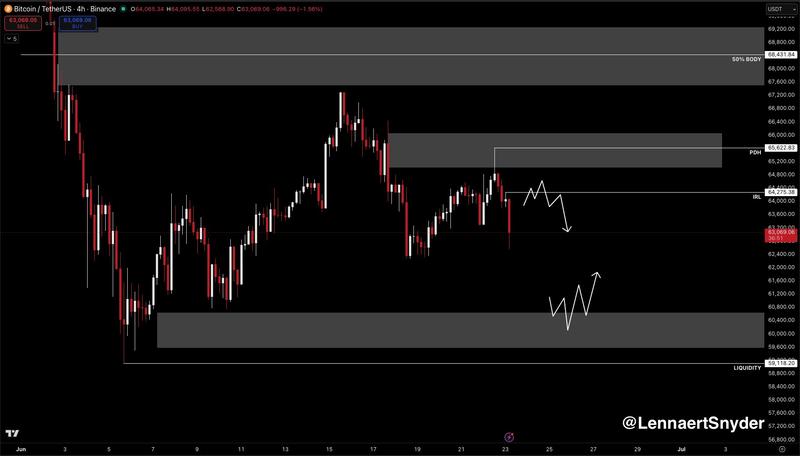
Bitcoin's price movements continued to demonstrate susceptibility to market volatility following an unsuccessful attempt to break above $65,500 during the previous trading session.
"$BTC grabbed 65K liquidity and dumped," trader Lennaert Snyder commented on X.
According to Snyder's analysis, an optimal long position entry point now sits at $60,000, while he anticipated the emergence of "new lows" in the near term.
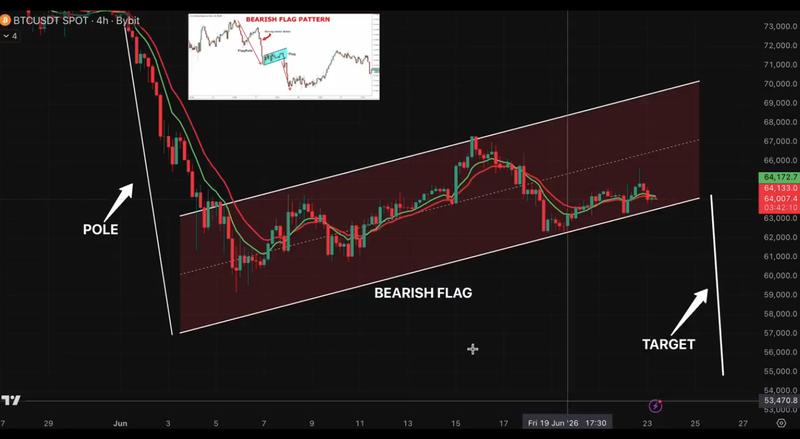
"$BTC stuck between a bearish flag," analytics account CryptoReviewing added.
"A close below $64,000 could push bitcoin towards $54,000 in coming days."
Bitcoin options "unconvinced" of volatility potential
A decline of such magnitude would disrupt the sideways trading pattern that has persisted for approximately one month.
According to its most recent Markets Color analysis report, trading intelligence platform QCP Capital highlighted how this absence of price movement has bred exhaustion within options markets.
"Despite what is shaping up to be an eventful week, crypto volatility has shown little reaction and remains broadly unchanged," the firm observed.
"Following nearly a month of range-bound price action, the options market appears unconvinced that any single catalyst will be sufficient to push BTC decisively out of its current range."
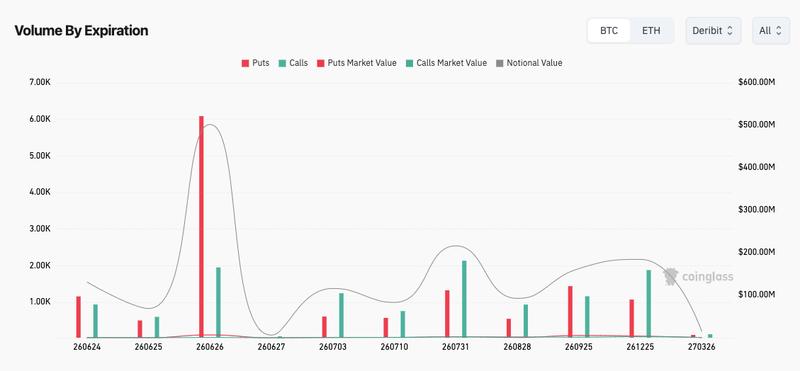
QCP referenced "seasonality" as a possible factor affecting market participant behavior in advance of Friday's quarterly options expiration event.
"Crypto implied volatility has historically tended to soften following major quarter-end expiries as option overwriters redeploy capital," the firm concluded.