Upbit clarifies position on OUSD project: Only showed preliminary interest
Following Dunamu's inclusion in Open Standard's OUSD participant roster, Upbit issued a statement clarifying minimal engagement, joining several Korean companies disputing their listed involvement.

The South Korean cryptocurrency exchange Upbit has stated that it is not actively involved in the Open USD issuance process, following the inclusion of its parent company Dunamu in a list of over 140 organizations associated with the emerging stablecoin project.
"Upbit has only indicated our potential willingness to consider taking part in the future expansion of the OpenStandard ecosystem," an Upbit spokesperson told Cointelegraph.
The statement arrives amid comparable objections from Samsung Electronics alongside additional South Korean corporations that were featured in Open Standard's participant list.
A Friday ChosunBiz report indicated that Samsung claimed it had not engaged in official discussions with the project and remained unclear about what responsibilities it was anticipated to fulfill. Additionally, both Shinhan Financial Group and KBank are reported to have stated they had merely expressed willingness to evaluate the initiative.
Cointelegraph contacted Open Standard seeking commentary but had not received any reply at the time of publication.
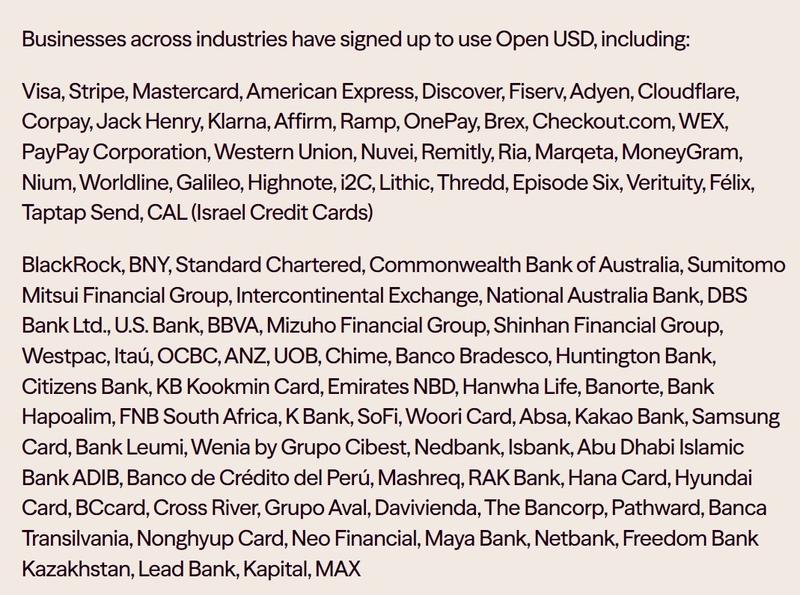
The dollar-backed stablecoin was unveiled by Open Standard on Tuesday, with claims that more than 140 businesses had "signed up to use" the offering, featuring prominent names such as Visa, Mastercard, BlackRock, Google, Samsung Electronics and Dunamu.
According to previous statements from Open Standard, businesses would have the capability to mint and redeem OUSD with no fees or volume restrictions. The initiative additionally intends to share earnings produced from its reserves among participating organizations.
Nevertheless, certain industry figures, including Circle CEO Jeremy Allaire, raised concerns about the viability of providing free, unlimited minting and redemption services. Furthermore, Lorenzo Valente, director of research at ARK Invest, had earlier characterized the announcement as a "giant" letter of intent.
South Korea's stablecoin rules remain unfinished
The Digital Asset Basic Act has not yet been enacted in South Korea, creating uncertainty around who will be permitted to issue stablecoins and what functions companies may undertake.
Cointelegraph has previously reported that legislators have engaged in debates regarding whether issuance privileges should be restricted to banking institutions or extended to qualified non-banking issuers, while the comprehensive regulatory structure continues to be under deliberation.
This regulatory ambiguity also creates challenges for South Korean businesses seeking to make commitments to stablecoin projects, given that the regulations pertaining to issuance, reserve management and involvement in stablecoin ecosystems are still awaiting finalization.