Ledger integrates ADI Chain as UAE-backed network expands stablecoin operations
ADI Chain users can now leverage Ledger's self-custody solutions as the UAE-connected blockchain platform grows its stablecoin and real-world asset tokenization infrastructure.
The $ADI token connected to ADI Foundation's ADI Chain network has received native integration from Ledger, marking a significant milestone for the UAE-associated layer-2 platform that specializes in stablecoins and tokenization of real-world assets.
The ADI Chain network receives support from Abu Dhabi-headquartered Sirius International Holding, which operates as a subsidiary under International Holding Company, and provides the foundation for the DDSC stablecoin ecosystem developed in partnership with First Abu Dhabi Bank. The network has been engineered specifically to serve institutional applications such as cross-border payment processing, treasury management functions and trade settlement operations, according to statements from the company.
Through this new integration, holders can now custody and manage their $ADI holdings via Ledger Wallet alongside the firm's hardware signing technology. The ADI Foundation characterizes ADI Chain as foundational infrastructure designed for compliant stablecoins and tokenized asset products, with $ADI functioning as the blockchain's native gas token for transaction processing.
This integration comes on the heels of a recently publicized 110 million dirham ($30 million) DDSC transaction revealed by International Holding Company, which characterized the transfer as among the most substantial publicly documented stablecoin transactions completed within United Arab Emirates borders.
Euro-backed stablecoins expand despite limited market share
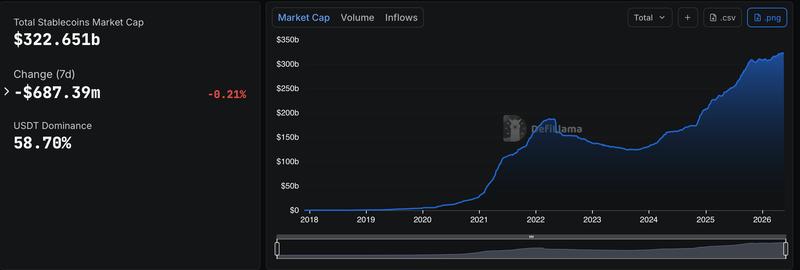
Despite the overwhelming dominance of dollar-pegged stablecoins in the marketplace, euro-denominated token variants represent more than 80% of the non-US dollar stablecoin segment, based on findings from a March analysis by Dune Analytics that was commissioned by Visa. The analysis placed the overall non-dollar stablecoin market at approximately $1.2 billion in total supply, a figure that stands in stark contrast to the total stablecoin market which surpasses $300 billion.
According to Dune's findings, non-dollar stablecoins currently handle approximately $10 billion in transfer volume each month, with euro-pegged tokens seeing expanded utilization across payments, remittances, payroll distribution and treasury management activities. The analysis additionally highlighted increasing adoption patterns following implementation of the bloc's Markets in Crypto-Assets Regulation (MiCA), which established a comprehensive regulatory framework for crypto asset service providers operating throughout the European Union.
Conversely, an April analysis from advocacy organization Blockchain for Europe asserted that MiCA's stringent reserve requirements and interest prohibition rules have enhanced the safety profile of euro stablecoins while simultaneously diminishing their commercial competitiveness relative to US dollar-pegged counterparts. The analysis referenced DeFiLlama statistics indicating euro stablecoins represent less than 1% of worldwide stablecoin volume despite the euro currency's significant position in global markets.
During the current month, the European Commission initiated a review process examining MiCA regulations that govern stablecoins, reserve mandates and interest-bearing token offerings as policymakers reevaluate the framework's practical implementation and effectiveness.
Concurrently, European financial institutions are intensifying initiatives to establish local-currency stablecoin infrastructure. On May 20, the euro stablecoin consortium known as Qivalis announced its expansion to 37 participating institutions following the addition of 25 banking organizations spanning 15 countries in preparation for a scheduled launch later this year. The consortium characterized the project as an effort to construct a regulated euro-denominated option to compete with US dollar-backed stablecoin products.