Crypto Biz: Institutional adoption accelerates amid stablecoin regulatory concerns
Traditional institutions accelerate stablecoin integration even as regulatory headwinds create pressure, prediction platforms enhance compliance measures and AI-powered agents introduce transformative micropayment possibilities.

The stablecoin sector finds itself once more dominating crypto business headlines — though the reasons behind this attention vary significantly.
Circle experienced a dramatic downturn in share value this week, demonstrating the continued vulnerability of cryptocurrency-related equities to shifts in the regulatory landscape, despite seemingly stable core business operations. Simultaneously, Canadian developments reveal that institutional players are charting a different course, methodically establishing frameworks to incorporate stablecoins into conventional financial systems.
Meanwhile, prediction market platforms confront mounting regulatory demands to strengthen their operational standards as authorities focus attention on potential manipulation vulnerabilities, and a fresh analysis from Forrester indicates that the frequently anticipated micropayments revolution may hinge not on technological infrastructure — but rather on artificial intelligence agents.
This week's Crypto Biz edition reveals a marketplace where regulatory frameworks, technological automation and institutional integration are fundamentally transforming how value flows through cryptocurrency networks.
Circle experiences sharp decline following CLARITY Act concerns, Bernstein argues reaction excessive
Circle's stock price tumbled 20% this Tuesday following emerging reports that a preliminary version of the CLARITY Act under consideration might place limitations on stablecoin rewards programs, though Bernstein analysts suggest the market's response may reflect a misunderstanding of the actual implications.
According to a research note published Wednesday, Bernstein's analytical team believes investors are mistakenly merging the concepts of "who earns yield" with "who distributes yield." The preliminary legislative language takes aim at platforms that transfer yield directly to end users, analysts explained, whereas Circle's primary revenue stream derives from reserve holdings backing USDC (USDC), rather than reward distribution mechanisms.
The proposed legislation seeks to ban yield payments on passive stablecoin balances or financial products considered equivalent to interest payments, though it maintains provisions for rewards connected to active user engagement, including trading activities or payment transactions. According to Bernstein, these exceptions could preserve incentive frameworks while avoiding disruption to issuer business models.
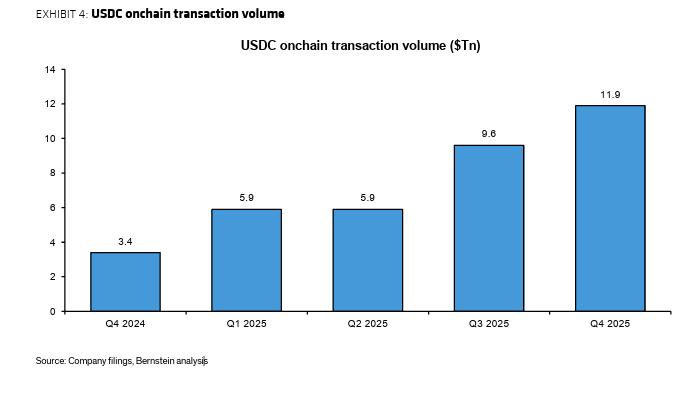
Circle's revenue generation relies predominantly on interest income from reserves supporting USDC, which consist mainly of short-duration United States Treasury securities. Bernstein's calculations suggest this income stream approached approximately $2.6 billion throughout 2025, reinforcing the firm's assessment that the draft legislation poses minimal direct threat to the company's economics.
Deloitte teams with Stablecorp to ready Canadian financial institutions for stablecoins
Deloitte Canada has announced a collaboration with Stablecorp designed to introduce stablecoin infrastructure throughout Canada's banking ecosystem, representing growing institutional preparedness in anticipation of forthcoming regulatory requirements. The collaborative effort focuses on embedding QCAD, a stablecoin pegged to the Canadian dollar, into payment processing and settlement operations.
The partnership aims to assist financial institutions in building capacity for stablecoin implementation as Canadian authorities advance toward establishing a comprehensive regulatory structure governing fiat-backed digital currencies. Proposed applications encompass continuous payment capabilities, accelerated settlement timelines and enhanced operational transparency utilizing distributed ledger technology.
QCAD functions as a completely collateralized digital representation of the Canadian dollar, structured to align with anticipated regulatory standards regarding reserve requirements, compliance obligations and risk oversight. This architectural approach establishes it as a viable option for institutional deployment following regulatory finalization.

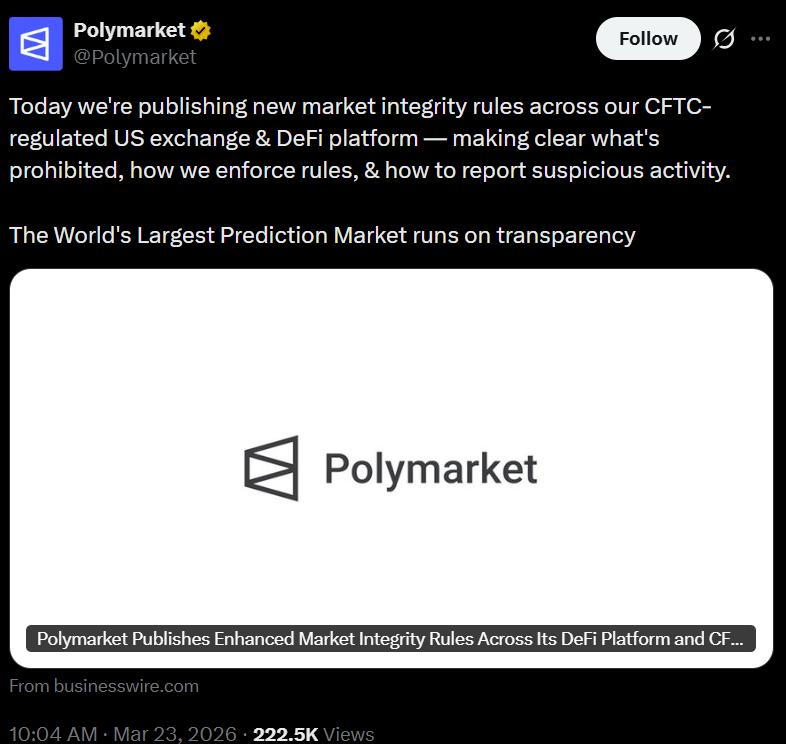
Polymarket implements stricter policies amid rising insider trading concerns
Prediction market platform Polymarket is executing a comprehensive revision of its operational guidelines in response to escalating regulatory examination of insider trading accusations and market manipulation concerns. The policy modifications affect both the platform's decentralized infrastructure and its United States-regulated exchange operations, representing a broader commitment to elevated compliance benchmarks.
The revised governance structure establishes more rigorous market construction parameters, enhanced transparency in outcome resolution procedures and augmented monitoring capabilities designed to identify questionable trading patterns. Polymarket is additionally restricting access to specific markets deemed particularly susceptible to manipulation or raising ethical questions.
These modifications arrive amid increasing worries that prediction market platforms may create opportunities for participants possessing non-public information — particularly within markets centered on geopolitical developments or political outcomes. Legislative authorities and regulatory bodies have progressively challenged whether these platforms adequately distinguish between legitimate financial markets and speculative wagering.
Forrester research indicates AI agents may unlock micropayment viability
Artificial intelligence agents could represent the breakthrough needed to establish micropayments as a practical reality, according to recent analysis published by Forrester, which highlights Stripe's Machine Payments Protocol (MPP) as an emerging illustration of this evolution.
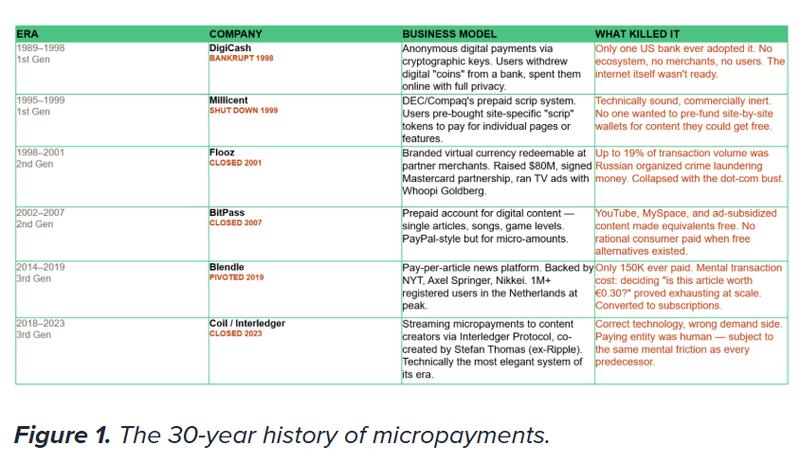
Forrester research analyst Meng Liu explained that micropayment models have traditionally encountered obstacles related to user experience friction, given consumer resistance to authorizing numerous small-value transactions valued at mere cents or dollars. Artificial intelligence agents fundamentally alter this equation by processing payments autonomously during task execution, eliminating requirements for user intervention during transaction completion.
Stripe's MPP has been engineered as an orchestration framework operating alongside established payment infrastructure rather than functioning as an independent network. According to Liu's analysis for Forrester, this architectural choice signals that supporting infrastructure is materializing to facilitate machine-initiated transactions without demanding completely novel payment rails.
Liu indicated that agent-facilitated payment processing could unlock innovative commercial frameworks, encompassing usage-based service pricing and autonomous digital transaction ecosystems, simultaneously generating increased requirements for economical, high-volume payment mechanisms including stablecoin networks.
Crypto Biz delivers your weekly overview of business developments within blockchain and cryptocurrency sectors, arriving in your inbox every Thursday.