Co-creator of Samourai Wallet braces for another prison relocation following month-long transfer
According to Keonne Rodriguez, he along with 70 fellow inmates will be relocated again following the closure of their treatment program. His last transfer lasted a full month.
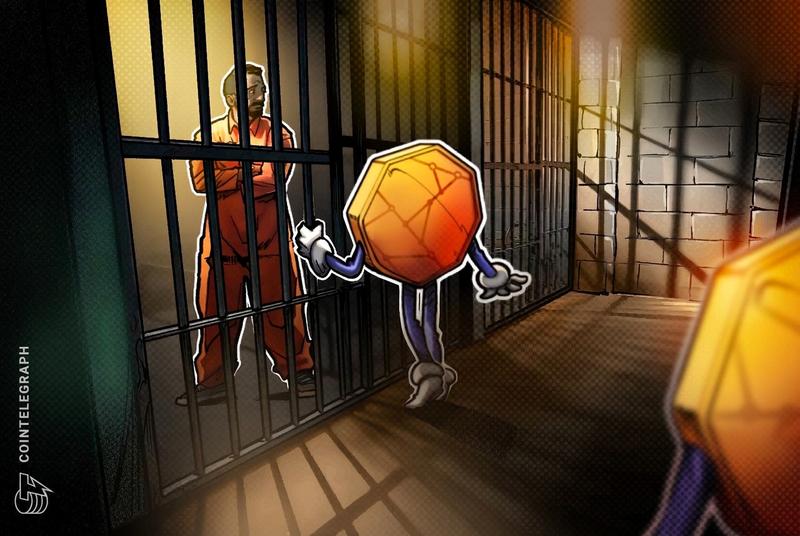
Keonne Rodriguez, co-creator of Samourai Wallet, is preparing for yet another relocation between prison facilities following the termination of the drug treatment program at FCI McKean, according to his statement on Wednesday.
In a post shared on X, Rodriguez revealed that the warden at McKean informed those enrolled in the program that both Rodriguez and approximately 70 other participants would be transferred to different institutions where treatment services continue to operate. His motivation for joining the program stemmed from the possibility of reducing his sentence by as much as one year upon successful completion.
Through a letter made public by The Rage, Rodriguez described his previous transfer from FPC Morgantown to McKean as the "absolute worst 30 days" he had experienced in his lifetime. He noted that prison officials rejected his request to complete the approximately four-hour journey on his own.
Currently, Rodriguez is serving out a five-year prison term following his guilty plea to charges of conspiring to run an unlicensed money-transmitting operation. According to the Justice Department, both he and William Lonergan Hill, his co-founder at Samourai, facilitated the transmission of over $237 million in proceeds derived from criminal activities through their service.
What should have been a four-hour journey turned into 30 days of transfers
According to Rodriguez, those departing from Morgantown were first fitted with ankle shackles along with handcuffs that were connected to chains around their waists, before being transported via bus to an airport where they were flown to the Federal Transfer Center located in Oklahoma City.
During his time at the transfer center, Rodriguez reported being housed alongside inmates from various security classification levels and spending the majority of his hours confined to a cell. He recounted in his writing that at certain moments, he questioned whether "all the circles of hell" existed within the walls of the federal transfer facility.
Rodriguez further described being ultimately placed in a cell with another inmate who was serving time for a murder conviction, and being provided with merely a portion of a foam mattress, which resulted in part of his body having to rest directly on the metal bunk throughout the night.
Legal protections for developers remain in limbo following CLARITY legislation failure
Rodriguez's case has proceeded in parallel with legislative initiatives in Congress aimed at shielding developers who do not maintain control over users' assets from being classified as financial intermediaries.
The most recent draft version of the Senate CLARITY Act maintained provisions from the Blockchain Regulatory Certainty Act that would protect developers who do not exercise control from specific money-transmission obligations outlined in the Bank Secrecy Act.
On Sept. 15, the Senate was unable to advance the CLARITY Act after a procedural vote failed to reach the 60 votes required to push the legislation to the next stage.