BTC remains stuck beneath $80K while Bessent's remarks strengthen yen to 153 against dollar
Bitcoin declined alongside US equities amid Iran tensions as Treasury Secretary Scott Bessent amplified concerns regarding a potential yen carry-trade reversal.
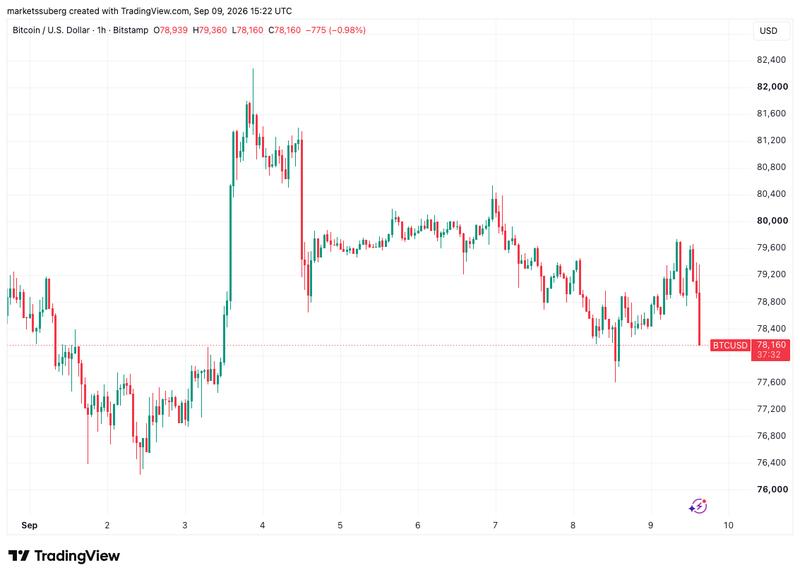
Bitcoin (BTC) remained unable to break through the $80,000 threshold on Wednesday as market focus shifted back to developments surrounding the Japanese yen.
Key points:
- Bitcoin encountered additional macroeconomic pressures as escalating US-Iran military actions drove Brent crude oil prices beyond the $100 per barrel threshold.
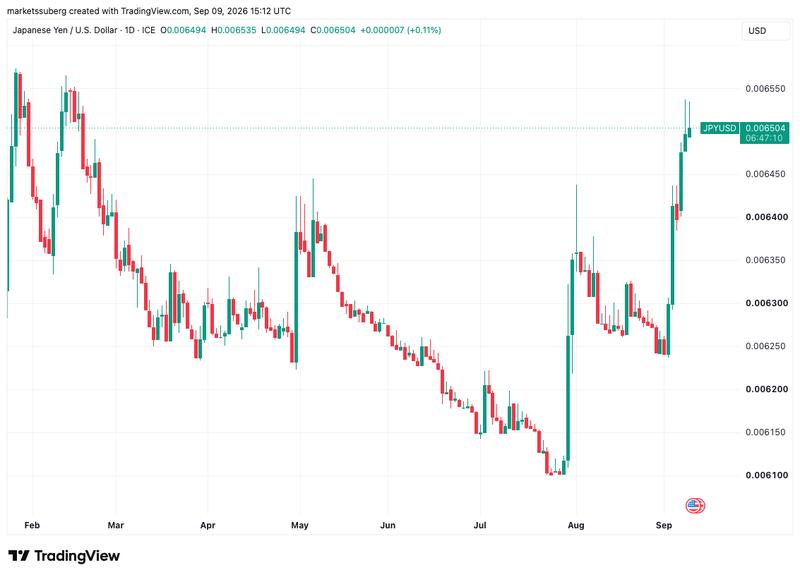
- The Japanese yen maintained its position near 153 per dollar, marking its strongest performance since February while short positions against the yen hovered near all-time highs.
- US Treasury Secretary Scott Bessent suggested that additional interventions in yen foreign exchange markets could be forthcoming.
Bitcoin loses steam as Iranian strikes dampen risk-asset sentiment
According to data from TradingView, the upward momentum in the BTC/USD trading pair reversed course during its attempt to retest the $80,000 level. BTC is presently down approximately 0.4% for the trading session.
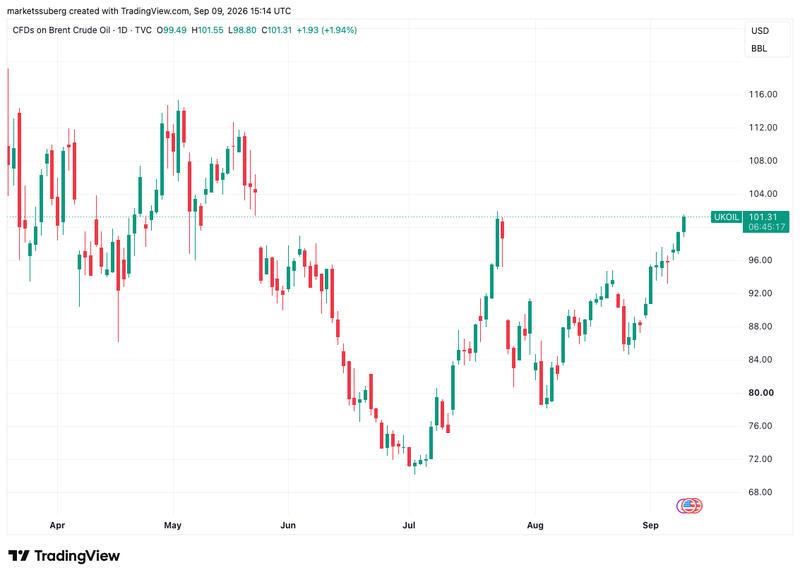
US equity markets similarly declined following the opening bell on Wall Street, driven by renewed US military strikes targeting Iranian oil tankers. The escalating geopolitical tensions propelled oil prices to fresh three-month peaks, extending gains from the previous trading session.
As of this writing, WTI crude was trading above $96 per barrel, whereas Brent crude climbed above $101 per barrel for the first time since the end of July.
Market participants also monitored recent developments concerning the yen as the Japanese currency reached its strongest valuation against the dollar since February. It currently stands at $0.0065, reflecting a 6.5% increase since early August.
Cointelegraph previously covered the numerous joint interventions in currency markets conducted by Japan and the US, which led to this swift appreciation. The yen's upward trajectory persisted despite market chatter suggesting that Washington might prevent Japan from liquidating US Treasuries as part of subsequent intervention efforts.
Yen short positions remain near all-time highs
Referencing Bloomberg data on Wednesday, Barchart highlighted that yen short positions reached record levels at September's beginning, with the aggregate total remaining above 5 trillion yen.
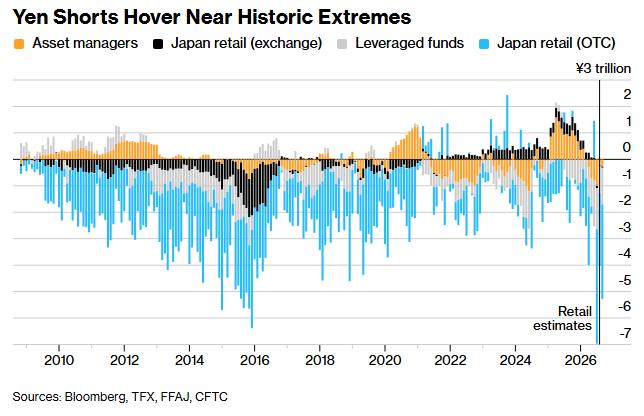
In follow-up analysis, Charu Chanana, chief investment strategist at Saxo, informed Reuters that the yen's ongoing appreciation would have significant consequences for these short positions as the yen carry trade begins to unwind. The USD/JPY currency pair plays a crucial role in determining liquidity conditions that may eventually affect cryptocurrency markets.
The carry trade is vulnerable because this unwind is happening before the BOJ has even delivered its expected hike.
Charu Chanana, Saxo
Some yen shorts have already been cut, but positioning still looks sizeable, so further yen strength can turn a gradual reduction in leverage into a much faster, self-reinforcing unwind.
The threat was intensified by the Bank of Japan's projected 0.25% interest-rate hike scheduled for its upcoming meeting on Sept. 28.
In the previous month, US Treasury Secretary Scott Bessent indicated that the possibility remained open for future yen intervention operations. During the current week, he reinforced those implications, seemingly challenging short sellers to wager against central banking authorities.
When we intervene with the Japanese yen, I have pretty good insight into what the Bank of Japan is going to do, what Japanese policymakers are going to do. I have asymmetric information. I am the house now.
Scott Bessent, US Treasury Secretary, at Southern Methodist University