UK Financial Regulator Launches Cryptocurrency Authorization Process Before 2027 Regulatory Framework
Britain's FCA has commenced accepting applications for crypto authorization in preparation for October 2027's new regulatory framework, encouraging current operators to submit by February 28.
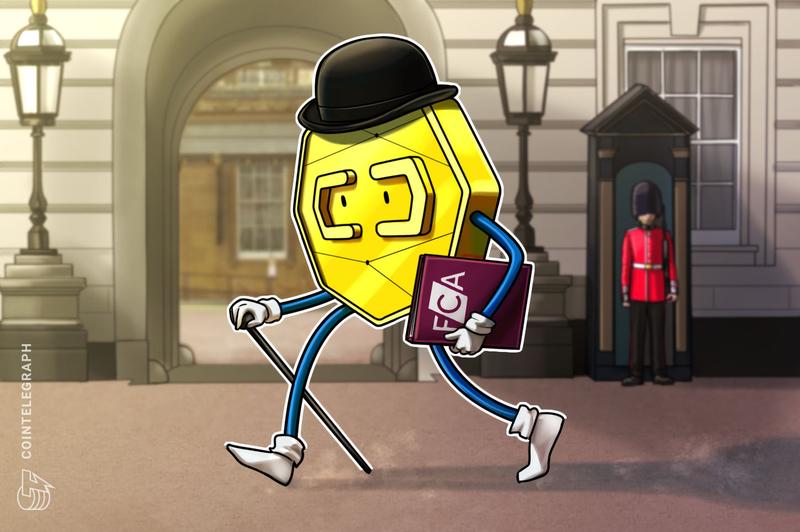
Britain's Financial Conduct Authority (FCA) launched its application process on Wednesday for cryptocurrency companies pursuing authorization beneath a new regulatory framework scheduled to commence on Oct. 25, 2027.
Businesses that wish to maintain their operations within the United Kingdom are advised to submit their applications no later than the conclusion of February 2027. According to the FCA, applications received throughout this designated timeframe will be processed and decided upon prior to the new regime's implementation date.
This comprehensive framework significantly broadens the FCA's regulatory authority beyond its current scope of anti-money laundering and financial promotion oversight. The financial watchdog completed and published its final rules in June, incorporating regulatory requirements that address stablecoin issuance activities, cryptocurrency trading platform operations and market abuse prevention.
The UK's new crypto regime will give consumers greater protections and firms a clear framework to operate in.
Dominic Cashman, FCA's director of authorization
Emma Banymandhub, who serves as CEO of payments industry trade body The Payments Association, expressed support for the opening of applications while simultaneously cautioning businesses currently registered under money laundering regulations (MLRs) to approach this as an entirely new authorization procedure.
MLR registration will not carry over, and firms should be realistic about the standards they will need to meet.
Emma Banymandhub, CEO of The Payments Association
According to Banymandhub, the implementation phase of this regulatory framework would prove especially critical for smaller enterprises and businesses in growth stages.