Bitcoin Faces Recession Test as US Downturn Probability Approaches 50%
Concerns over a US economic recession intensified this week following BlackRock CEO Larry Fink's global downturn warning linked to oil price volatility, while Bitcoin remains correlated with equity markets.
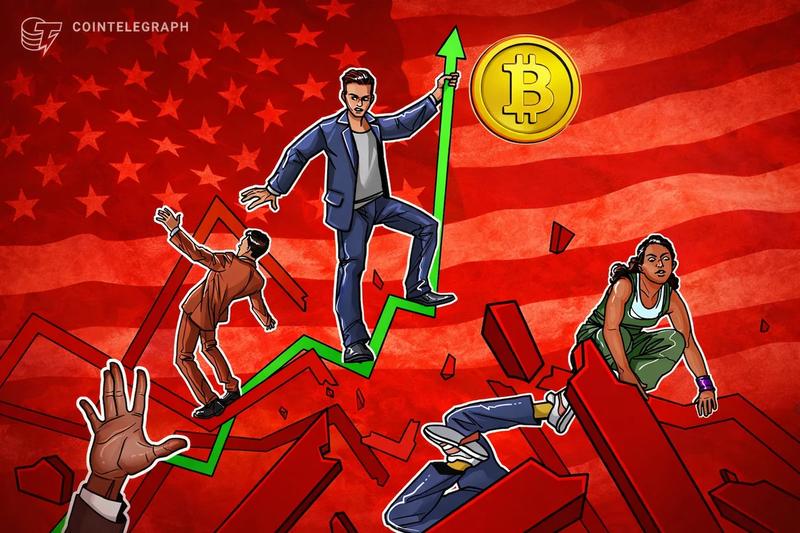
As markets grow increasingly confident that a US recession will arrive in 2026, Bitcoin (BTC) confronts a fresh macroeconomic challenge.
Key points:
- Bitcoin could face a new challenge in the form of its first recession after the COVID-19 crash.
- US recession odds surge as BlackRock CEO Larry Fink warns over oil prices.
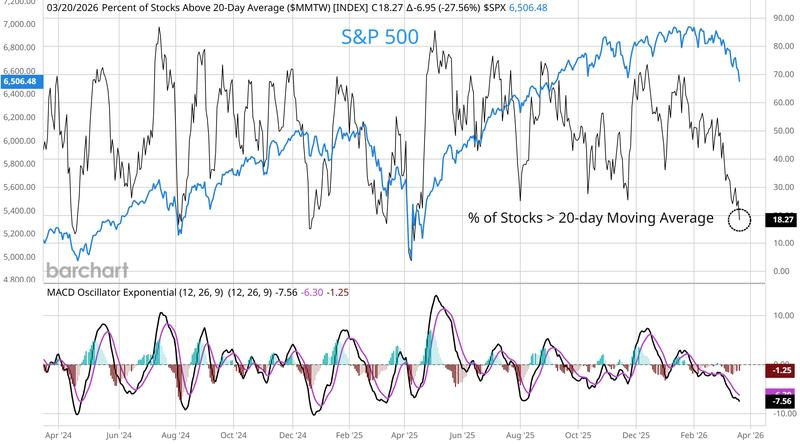
- Bitcoin's high correlation with "extremely oversold" stocks continues.
Moody's puts 12-month recession odds near 50%
Information spotlighted during this week by Axel Adler Jr., who contributes to the onchain analytics platform CryptoQuant, reveals recession probabilities approaching the 50% threshold.
A potential US economic contraction could serve as the catalyst for Bitcoin's next bullish cycle, with market observers viewing such a scenario as increasingly probable this year.
"Moody's Analytics raised the probability of a U.S. recession over the next 12 months to 48.6%, while Goldman Sachs increased its estimate to 30%," Adler noted on X.
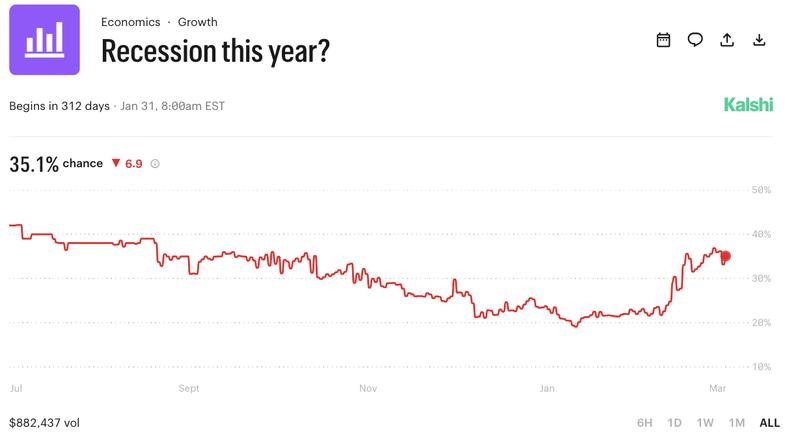
Those who trade predictions share this perspective, with probabilities for a US recession hitting 36% on Kalshi — representing the highest level recorded since September 2025.
At the center of this surge lies the US-Iran conflict and its influence on worldwide oil pricing. Recent assertions from both parties regarding discussions to terminate hostilities and completely reopen the Strait of Hormuz have generated uncertainty across risk-asset markets.
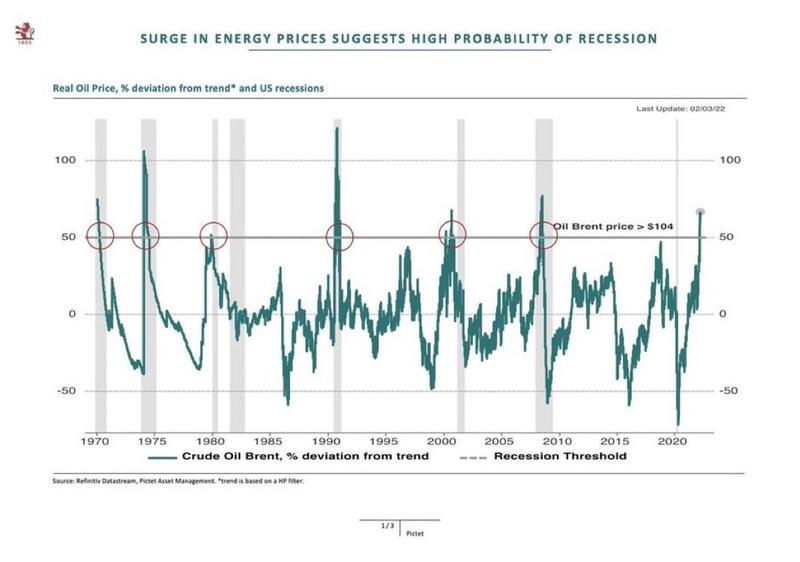
According to Mosaic, oil prices jumping 50% above their long-term average, a situation currently unfolding, "has been seen before or during nearly every recession over the past 50 years."
"Oil prices are directly correlated to headline inflation, where a $10 increase per barrel can push inflation higher by 0.20% or more," it added.
These worries are reflected by significant industry figures, including Larry Fink, CEO of BlackRock, the world's largest asset manager.
"We'll have a global recession," he told the BBC this week about the consequences of Iran staying a "threat" to the global economy, even if the war itself ended.
Bitcoin stays tied to "extremely oversold" stocks
Throughout its existence spanning less than two decades, Bitcoin has encountered limited exposure to recessionary conditions.
During 2020, a US recession occurring from February to April was followed by a phase of substantial BTC price appreciation after BTC/USD initially participated in a worldwide crash alongside other risk assets in March.
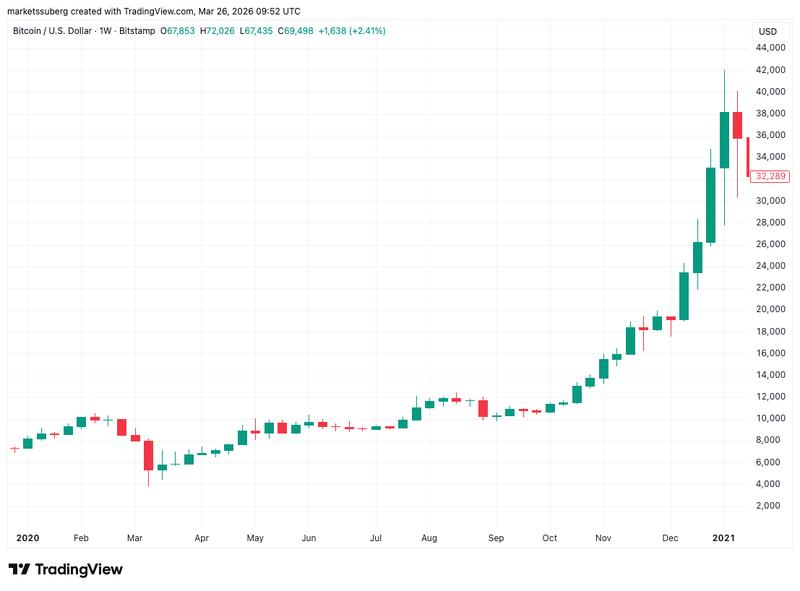
As Cointelegraph reported, Bitcoin's correlation to US stocks has become stronger this year, potentially increasing the potential for a relief bounce.
"While the uncertainty over inflation and the outlook for monetary are broadly weighing across the market, conditions are very favorable to see at least a short-term rally unfold," Mosaic commented.
"Various measures of investor sentiment and positioning are pointing to excessive bearishness in the market while breadth metrics are extending to extremely oversold levels."