API-Driven Cryptocurrency Trading Reaches 30% Market Share in South Korea: Official Report
South Korea's financial regulator announces targeted investigations into suspicious trading activity while strengthening crypto market supervision amid existing regulatory framework limitations.
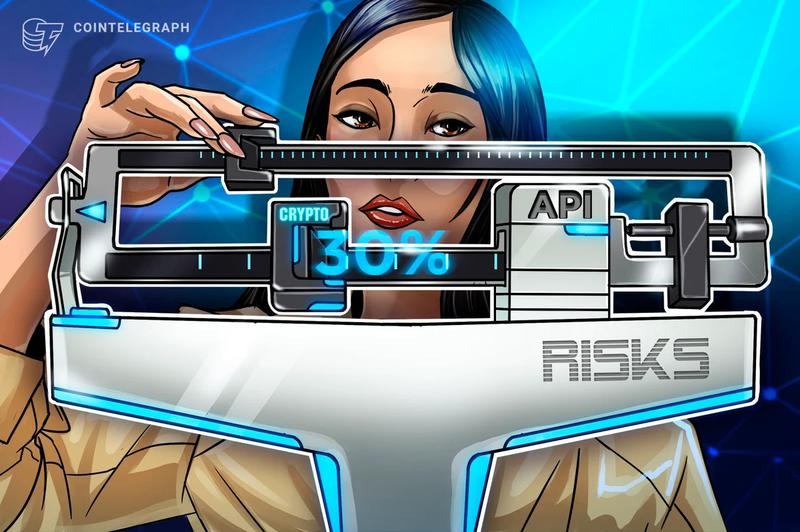
On Monday, the Financial Supervisory Service (FSS) of South Korea revealed that approximately 30% of cryptocurrency trading turnover now comes from API-based transactions, issuing a caution that certain market participants are leveraging automated systems to artificially boost trading volumes and distort market prices.
Based on reporting from the Maeil Business Newspaper and Yonhap News Agency, the financial watchdog issued a warning about traders deploying automated systems to manipulate volumes and distort pricing, pointing to instances that involved coordinated actions across multiple user accounts, fake orders designed to mislead other traders, and numerous small-scale transactions executed repeatedly.
The financial regulator announced its intention to initiate focused examinations of user accounts displaying signs of leveraging application programming interfaces for abnormal or excessive trading behaviors, indicating heightened regulatory attention toward automated trading operations within the cryptocurrency sector.
This alert arrives amid South Korea's wider effort to combat cryptocurrency market manipulation, with regulatory bodies ramping up enforcement activities while certain elements of the legal infrastructure continue to be refined and developed.
Regulator outlines manipulation tactics, warns investors
The FSS detailed multiple techniques employed in price manipulation activities, according to the reporting. These methods include the continuous placement of small-volume market sell and buy orders designed to create an illusion of robust trading activity. The watchdog further noted that market participants utilized limit orders priced above market rates to create artificial upward price pressure.
The FSS highlighted one specific instance where a market participant employed API-automated orders ranging from 5,000 won (approximately $3) to 10,000 won (approximately $6) to create the appearance of genuine trading momentum before liquidating positions into climbing prices as individual retail participants joined the market. The FSS also described another scenario where a market participant established a predetermined price objective and continuously placed buy orders at progressively higher prices to push the asset value toward that designated level.
The financial regulator cautioned market participants against the indiscriminate adoption of high-frequency trading software code available on public platforms and encouraged investors to exercise caution when considering assets displaying unexplained rapid increases in both price levels and trading volumes.
South Korea steps up enforcement amid regulatory gaps
This cautionary statement emerges as South Korean regulatory bodies have intensified their monitoring of cryptocurrency trading platforms in the wake of multiple incidents related to fraud and operational deficiencies.
On April 7, the regulatory authorities mandated that cryptocurrency exchanges perform reconciliations between their internal accounting records and actual cryptocurrency holdings at five-minute intervals, following inspection findings that revealed insufficient trade suspension mechanisms and delayed balance verification procedures.
South Korean regulatory bodies have also taken action to strengthen protective measures against fraudulent schemes. On April 8, the Financial Services Commission (FSC) indicated that inconsistent application of rules governing withdrawal-delay exemptions created opportunities for malicious actors to transfer funds rapidly, with accounts granted such exemptions representing the majority of financial losses attributed to voice phishing scams.
Simultaneously, enforcement initiatives have encountered legal limitations. On April 9, a South Korean judicial body reversed a partial operational suspension imposed on Dunamu, the company operating Upbit, referencing ambiguous regulatory standards and emphasizing existing deficiencies in the regulatory framework.