Korean Crypto Market Shrinks by Half as Investors Migrate to Equities
South Korean cryptocurrency holdings experienced a dramatic decline of more than 50% within a year's timeframe, accompanied by plummeting daily trading activity as investors redirected funds toward equities while authorities intensified regulatory measures.

Cryptocurrency holdings among South Korean investors experienced a dramatic decline of over 50% during the past year, plummeting from 121.8 trillion won ($83.3 billion) recorded at the conclusion of January 2025 down to 60.6 trillion won ($41.4 billion) by February 2026's end.
Trading volumes on a daily basis throughout the nation's five primary cryptocurrency platforms, encompassing Upbit, Bithumb, Korbit, Coinone and Gopax, similarly experienced a severe downturn, plunging to $3 billion by February in contrast to the $11.6 billion recorded during December 2024, according to Korean publication The Chosun Daily's report, which referenced information the Bank of Korea provided to Rep. Cha Gyu-geun from the Rebuilding Korea Party.
Deposits denominated in won maintained at cryptocurrency exchanges, serving as an indicator of available investor capital, similarly decreased from 10.7 trillion won at the close of 2024 down to 7.8 trillion won. This reduction stems from a dual impact of declining cryptocurrency valuations combined with investor capital migrating toward equity markets.
Stablecoin holdings demonstrated a contrasting pattern. These assets increased from $60 million during July 2024 to reach a maximum of $597 million throughout December before moderating to $41 million by February, representing a substantially smaller contraction relative to the overall cryptocurrency market.
Tighter AML rules threaten to push investors away
This market reduction occurs as regulatory bodies prepare for enhanced supervision measures. Financial oversight agencies intend to introduce updated AML regulations during August that would mandate cryptocurrency transactions exceeding 10 million won that involve international exchanges or private wallet addresses to be automatically designated as suspicious activities.
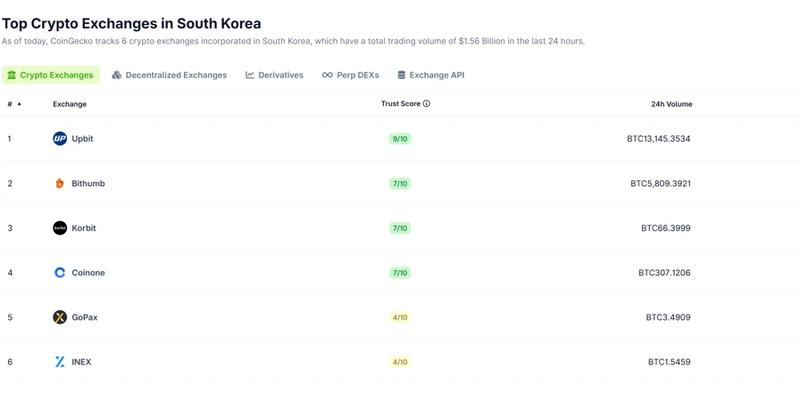
Industry association DAXA has expressed opposition, contending the regulation is excessive and might push users toward international platforms such as Binance. The trade organization stated the proposed measure could escalate suspicious transaction notifications from South Korea's five biggest exchanges by a factor of 85, jumping from approximately 63,000 instances during the previous year to exceeding 5.4 million, rendering practical compliance challenging.
Discussion surrounding the government's proposed 22% cryptocurrency taxation, scheduled for implementation in 2027, continues to gain momentum. This past Thursday, South Korea's Finance Ministry officially confirmed for the initial time that a 22% levy on cryptocurrency profits will commence as planned on January 1, 2027.
Samsung SDS to build South Korea's blockchain securities platform
According to Cointelegraph's previous reporting, Samsung SDS has secured a contractual agreement to develop and manage a blockchain-powered securities infrastructure for South Korea's Korea Securities Depository (KSD), with completion of the project anticipated by February 2027.
This development arrives in advance of South Korea's comprehensive initiative to establish market infrastructure supporting tokenized assets prior to new legislative frameworks becoming effective during early 2027.