Federal Reserve meeting notes signal potential for additional rate reductions during Middle East conflict
While some policymakers tentatively considered the possibility of reducing rates before year's end, others cautioned that rate increases could be necessary should inflation persist above desired thresholds.
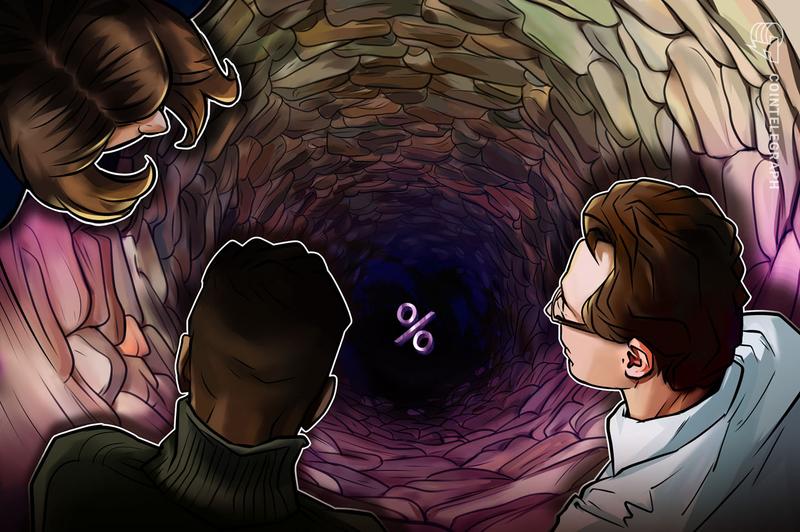
According to the most recent Federal Open Market Committee (FOMC) meeting held in March, members of the United States Federal Reserve found themselves divided over whether the ongoing conflict in the Middle East might warrant additional interest rate reductions prior to the conclusion of 2026.
The Fed published the minutes from its most recent FOMC gathering on Wednesday, which took place on March 17 and 18. The gathering concluded with officials voting 11-1 in favor of maintaining current rates within the 3.5% to 3.75% range, with a significant number of policymakers expressing concern regarding the potential ramifications of the conflict and its possible effects on economic stability.
Given the possibility of escalating regional tensions, the prevailing view among officials suggested that a rate reduction could materialize within the current year, though Fed policymakers emphasized in the meeting notes that such action would depend on inflation remaining under control.
Many participants judged that, in time, it would likely become appropriate to lower the target range for the federal funds rate if inflation were to decline in line with their expectations.
Fed minutes
Reductions in interest rates are typically viewed as favorable conditions for cryptocurrency markets, as they increase available investment capital and may stimulate appetite for higher-risk investment opportunities. The most recent reduction in interest rates occurred on Dec. 10, 2025, when the Fed reduced rates by 25 basis points.
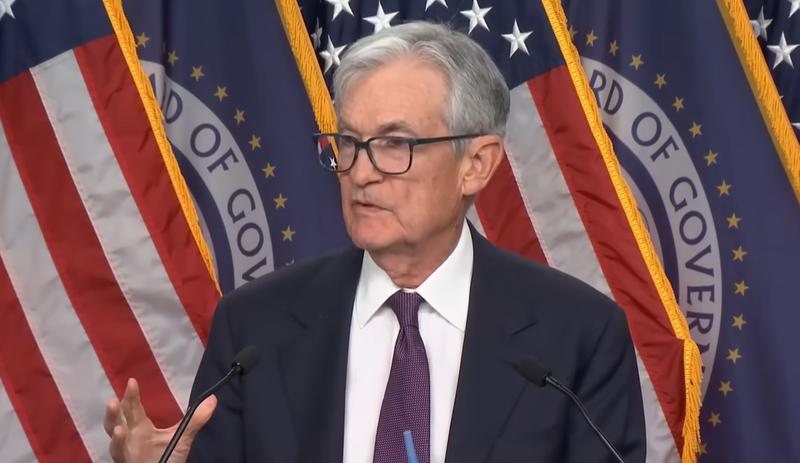
Although a reduction in rates remains a possibility before the year concludes, the prevailing sentiment emerging from the FOMC gathering was that it remained "too early to know how developments in the Middle East would affect the U.S. economy."
The subsequent FOMC meeting has been scheduled for April 28-29.
Cuts still possible, but so are hikes
Despite some policymakers expressing cautious optimism regarding the prospect of a rate reduction, other officials issued warnings that the reverse action could prove necessary.
Some participants judged that there was a strong case for a two-sided description of the Committee's future interest rate decisions ... reflecting the possibility that upward adjustments to the target range for the federal funds rate could be appropriate if inflation were to remain at above-target levels.
Concerns extended beyond inflation alone, as numerous policymakers highlighted potential vulnerabilities in the employment sector, contending that "in the current situation of low rates of net job creation, labor market conditions appeared vulnerable to adverse shocks."
Based on data from the CME Group's FedWatch tool, current market expectations indicate a 75.6% probability that the Fed will maintain rates within the 3.5% to 3.75% range during the Fed's Dec. 8 meeting scheduled for later in the year.
At the same time, the probability of a rate reduction stands at 20.4%, while the likelihood of a rate increase registers at 2.4% as of the current time of writing.