US Banking Regulators Scrutinize Financial Institutions Following $6.3B Binance Breach
Following the massive $6.3 billion security breach at Binance last week, US banking regulators have reached out to financial institutions, as cybersecurity professionals express alarm over cryptocurrency transaction vulnerabilities and associated risks.
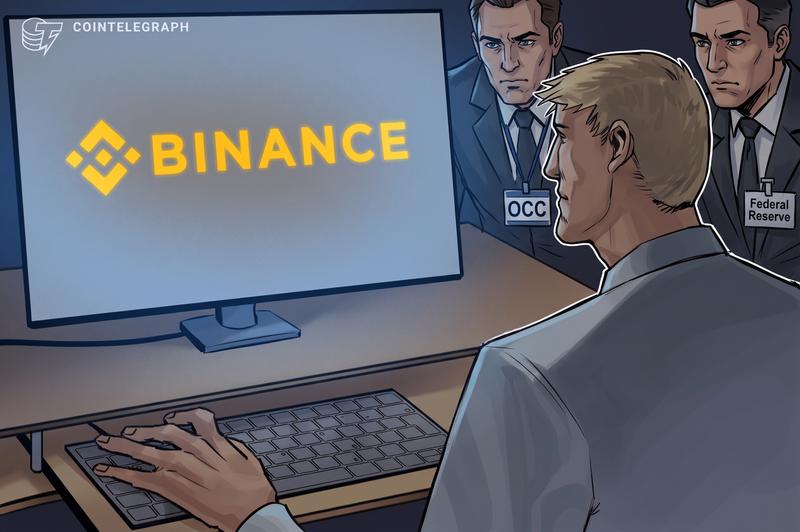
Following the massive $6.3 billion Binance security breach that occurred last week, US banking regulators have reportedly reached out to financial institutions, while cybersecurity professionals voiced alarm regarding the manner in which banks address cryptocurrency-related security vulnerabilities.
Starting Monday, representatives from both the Federal Reserve and the Office of the Comptroller of the Currency (OCC) initiated contact with banking institutions to inquire about potential "unusual activity" or disruptions to their services, according to a Thursday report from Reuters that cited sources with knowledge of the situation.
These reported regulatory inquiries may lead to heightened scrutiny of banks' management of cryptocurrency-related vulnerabilities, encompassing areas such as custody arrangements, counterparty exposure levels, and incident response protocols, Stefan Muehlbauer, who serves as head of US government affairs at CertiK, indicated.
After an incident of this scale, it would be surprising if the Fed and OCC didn't check in with the banks they supervise. Their mandate is to protect the financial system, and that means understanding where exposures sit and how quickly they can respond.
Stefan Muehlbauer, CertiK
Banks review security systems after Binance hack
Banking institutions have been conducting evaluations of the breach and examining their internal systems to determine their capacity to absorb or mitigate similar security threats, Reuters' reporting indicated.
The Reuters report further revealed that a cybersecurity team at one of the nation's largest banking institutions reached out to Binance mere hours after the security breach occurred. A representative from Binance confirmed to Cointelegraph that the cryptocurrency exchange distributed its publicly available incident report to all of its banking partners and remained unaware of any security vulnerabilities impacting those institutions.
Muehlbauer characterized the procedure currently taking place as "how a maturing framework should work." He further stated that "it's not a signal that regulators are pulling back from the industry."
These regulatory inquiries also follow the Federal Reserve's decision in April 2025 to eliminate a requirement that mandated state member banks to provide notification to regulators prior to participating in cryptocurrency-related activities. The Fed indicated it would maintain oversight of such activities through its standard supervisory process.
A representative from the Federal Reserve informed Cointelegraph that the agency did not have anything to disclose concerning the reported inquiries. Cointelegraph additionally reached out to the OCC seeking comment but had not received a response by the time of publication.
The largest crypto hack raises concerns
In its incident report dated Nov. 3, Binance disclosed that approximately $6.34 billion worth of digital assets were impacted by the Oct. 29 attack, with $2.85 billion successfully frozen or intercepted as of the time of the report.
The cryptocurrency exchange indicated that the attack originated with compromised software that was installed by an engineer back in June. Subsequently, the hackers utilized social engineering tactics, stolen login credentials, and malicious software to gain access to wallet systems and execute unauthorized asset transfers.
Dr. Darren Williams, who founded and serves as CEO of cybersecurity company BlackFog, informed Cointelegraph that the attack methods employed present potential vulnerabilities for traditional banking institutions, especially those providing cryptocurrency custody and payment solutions.
Attackers no longer need to break encryption or steal private keys if they can compromise the trusted systems and people authorized to move money.
Dr. Darren Williams, BlackFog
He issued a warning that malicious actors could exploit compromised employee devices, user accounts, or third-party service providers to transfer funds without activating any security alerts. He additionally noted that the increasing adoption of agentic AI in financial operations could introduce even greater vulnerabilities.
The priority must be stopping unauthorized transactions and data exfiltration before assets or sensitive information leave the organization, not simply investigating the damage afterwards.
Dr. Darren Williams, BlackFog
Binance has subsequently announced that it has enhanced its security controls and was engaging independent cybersecurity professionals to conduct a comprehensive review of the attack.