Ledger Partners with Babylon to Broaden Bitcoin Vault Access for Collateralization
Partnership enables Ledger hardware wallets to authorize BTCVault transactions while Babylon builds out systems for utilizing Bitcoin as collateral.

Babylon Labs, a company focused on developing Bitcoin staking infrastructure, has announced a partnership with hardware cryptocurrency wallet manufacturer Ledger, marking a development that could simplify the process for Bitcoin (BTC) owners to utilize their assets in various financial applications while maintaining self-custody control.
According to a joint announcement made on Tuesday, the collaboration will see Ledger signers integrated into Babylon's Trustless Bitcoin Vaults system, referred to as BTCVaults. These vault structures enable Bitcoin holders to secure their tokens within programmable smart contracts that operate under onchain conditions, all while preserving self-custody over their underlying assets.
The integration positions Ledger devices as the protected signing infrastructure for BTCVault operations, allowing holders to approve vault-related actions straight from their physical hardware wallets.
This functionality is built upon Ledger's Clear Signing technology, a system that presents transaction information in human-readable format directly on the hardware device's display, ensuring users can thoroughly review their actions prior to providing authorization. This methodology aims to minimize the potential danger of approving fraudulent or unclear transactions, which represents a prevalent security concern within cryptocurrency operations.
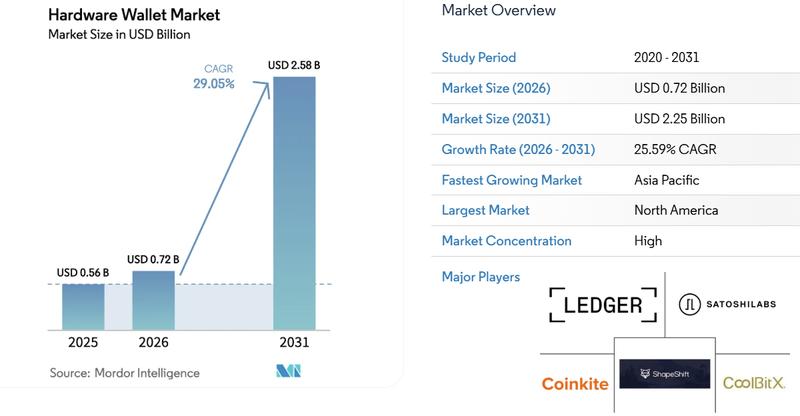
The partnership holds particular importance considering Ledger's position as a leading hardware wallet manufacturer, having sold in excess of 8 million units worldwide. According to recent coverage by Cointelegraph, Ledger is reportedly engaged in discussions with prominent financial institutions regarding a potential initial public offering in the United States.
Digital asset vaults growth surges
The adoption of self-custodial vault solutions represents an expanding application within the digital asset ecosystem as holders seek methods to actively deploy their cryptocurrency holdings without surrendering control over their funds.
In contrast to conventional custodial platforms, which require depositing assets with exchanges or third-party intermediaries, vault systems are generally controlled by programmable parameters that enable users to maintain ownership while engaging in lending activities, staking mechanisms, or yield-generating strategies.
The vault approach has experienced increased adoption throughout the decentralized finance sector. Platforms like Yearn Finance helped establish the concept through automated yield vault products that distribute user deposits across various lending protocols and liquidity markets.
In more recent developments, the messaging application Telegram has introduced vault-based yield offerings within its embedded cryptocurrency wallet, enabling users to place assets including Bitcoin, Ether (ETH), and Tether's USDt (USDT) into structured strategies aimed at producing returns.
Traditional institutional participants are entering this space as well. Investment firm Bitwise has recently partnered with decentralized finance lending platform Morpho to develop curated onchain vault strategies intended to produce yield through overcollateralized lending marketplace operations.