Vietnamese Finance Ministry Backs Digital Asset Collateral for SME Lending
A new proposal from Vietnam's Finance Ministry would enable small and medium-sized enterprises to leverage digital assets, virtual currencies, and intellectual property when securing business loans.

A groundbreaking proposal from Vietnam's Ministry of Finance would authorize small and medium-sized enterprises to utilize digital assets, virtual currencies and intellectual property as security for obtaining bank financing.
This proposal forms a component of a draft amended Law on Support for SMEs currently undergoing public consultation, as reported by Vietnam News on Friday. The framework would permit companies to obtain financing using assets to be formed in the future, rights to property, non-physical assets and digital or virtual holdings.
Small and medium-sized enterprises along with household businesses comprise over 98% of Vietnam's total enterprise landscape, yet loan amounts outstanding to this sector constitute merely approximately 20% of the country's aggregate banking credit, the report indicates. The Ministry identified this disparity as stemming from insufficient acceptable collateral, inadequate financial disclosure practices and the modest capital foundation characteristic of most SMEs.
Numerous startup ventures and technology-focused enterprises possess significant value in software applications, patents or intellectual property holdings but lack land holdings or tangible assets available for pledging, according to the report. This new proposal represents a fundamental policy transformation that has the potential to unlock credit opportunities for thousands of startup and technology enterprises presently excluded from accessing the official lending infrastructure.
Vietnam wants banks to lend on business plans
The draft legislation additionally encourages financial institutions to broaden their lending practices to incorporate evaluations based on credit assessments, business strategies, cash flow projections and market opportunity potential, moving beyond reliance on tangible assets exclusively.
In addition to collateral framework reforms, the proposed legislation establishes incentive programs targeting green and sustainable enterprises, featuring preferential credit guarantee access, favorable financing terms and interest rate subsidies for initiatives involving circular economy models and energy conservation projects. The provisions also encompass tax relief measures and assistance for environmental, social and governance compliance documentation.
The draft is currently open for public consultation.
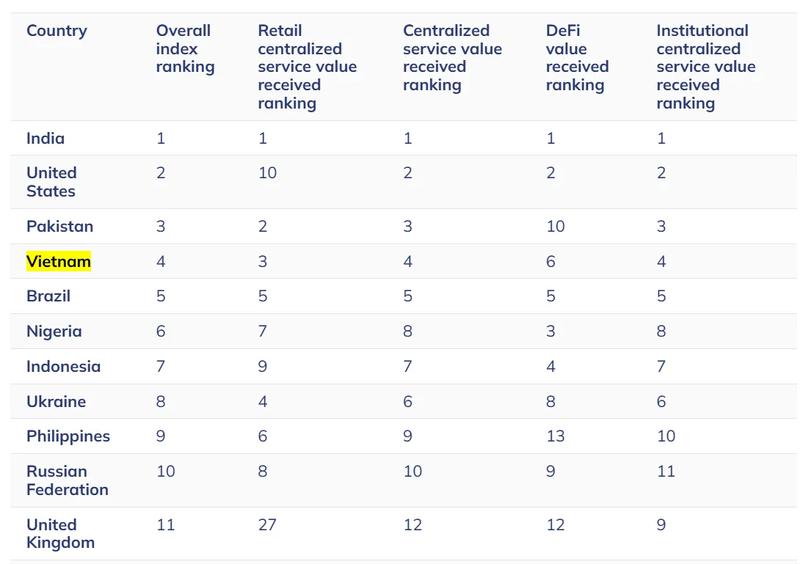
Vietnam has emerged as among the world's most vibrant cryptocurrency markets, securing fourth position in Chainalysis' 2025 Global Crypto Adoption Index, trailing only India, the United States and Pakistan.
Vietnam eyes Q3 launch of regulated crypto market
According to Cointelegraph's coverage, Vietnam's inaugural regulated cryptocurrency market operations could commence as soon as the third quarter of 2026, according to statements from Deputy Minister of Finance Nguyen Duc Chi delivered at the Digital Trust in Finance 2026 forum.
During March, regulatory authorities established a licensing framework for domestic cryptocurrency trading platforms this year, with five entities, including those affiliated with Techcombank, VPBank and LPBank, already successfully completing an initial qualification phase to establish the nation's first regulated exchange platform.