Telegram's Durov slams Spain's online age verification proposal
The proposed laws are meant to create a mass-surveillance state and are not about protecting children, Pavel Durov warned on Wednesday.

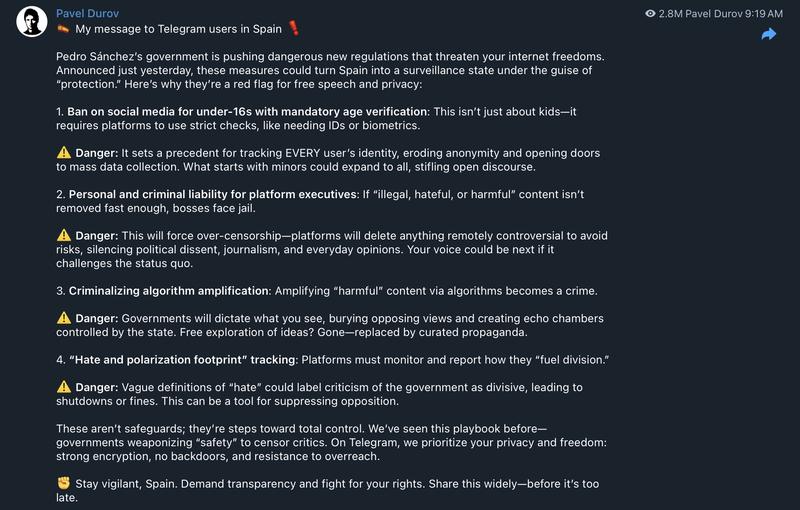
Pavel Durov, the co-founder of the Telegram messaging platform, sounded the alarm about the Spanish government's plan to usher in online age verification and restrict social media platforms for individuals under the age of 16.
The proposed law will lead to increased government-led censorship of online content, breaches of privacy through de-anonymizing users and mass-surveillance, Durov said on Wednesday.
Pedro Sánchez's government is pushing dangerous new regulations that threaten your internet freedoms. Announced just yesterday, these measures could turn Spain into a surveillance state under the guise of 'protection.'
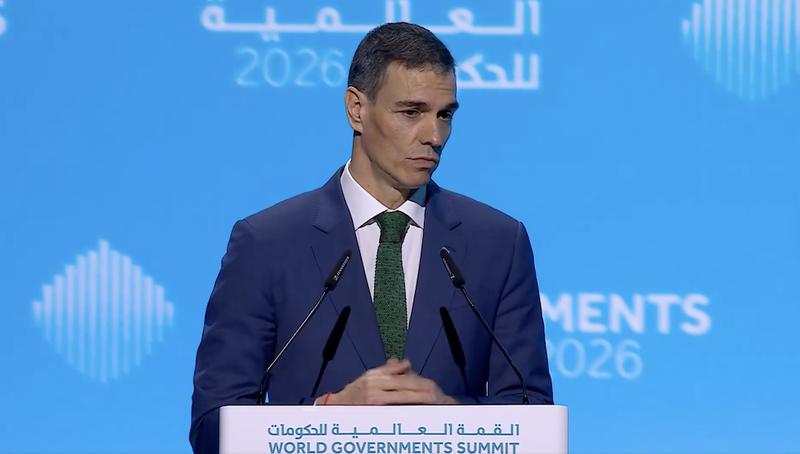
Spain's Prime Minister Pedro Sánchez announced on Tuesday that the country will enact online age verification policies seen in other parts of Europe, including the United Kingdom.
"Social media has become a failed state. If we want to protect our children, there is only one thing we can do: take back control," Sánchez said at the World Governments Summit in Dubai, United Arab Emirates.
Sanchez's comments drew considerable backlash from privacy advocates and cypherpunks, who say such policies curtail freedom of speech and give governments more power to censor content for political reasons.
Age verification is about control, not protecting kids, critics argue
"You want to control people who expose the corruption in your government," a user named Campari said in response to the announcement. Billionaire Elon Musk also responded negatively by ridiculing Sánchez.
"None of this is about 'protecting children,'" journalist Taylor Lorenz said, urging people around the world to fight against online age verification laws.
Others, like Boris Bohrer-Bilowitzki, the CEO of the layer-1 blockchain Concordium, argue that, while protecting minors from harmful content is needed, current age-verification methods are counterproductive.
The current age verification checks are driving users to circumvent the controls by using virtual private networks (VPNs), which mask IP addresses by routing online traffic through servers distributed in various locations, Bohrer-Bilowitzki wrote.