RedStone introduces settlement infrastructure to bridge RWA liquidity challenges in DeFi lending markets
New infrastructure aims to solve the timing discrepancy between rapid DeFi liquidation processes and prolonged asset redemption cycles, removing a critical obstacle for tokenized asset deployment in lending protocols.
A decentralized oracle provider known as RedStone has unveiled a new settlement layer for the decentralized finance ecosystem, with the objective of enabling tokenized real-world assets (RWAs) to function as collateral within lending protocols.
RedStone Settle, as the system is called, has been developed to tackle a persistent structural challenge within the DeFi landscape. Lending platforms like Aave depend on instantaneous liquidations for risk management purposes, whereas RWAs—encompassing tokenized funds and bonds—generally feature redemption windows extending from 60 to 180 days. This temporal disconnect has been the primary obstacle preventing RWAs from serving as collateral.
The new layer introduces an onchain auction mechanism that activates when liquidation events occur, as explained by RedStone. Through this mechanism, liquidity providers have the opportunity to immediately acquire positions, delivering liquidity to protocols while taking on the delayed redemption risk associated with the underlying assets.
The Switzerland-based company, headquartered in Baar, indicated that this solution has the potential to mobilize over $30 billion worth of tokenized RWAs that are currently underutilized within DeFi, simultaneously enabling users to borrow against positions that generate yield with greater efficiency.
This figure is consistent with current assessments of the RWA marketplace. When stablecoins are excluded from the calculation, tokenized real-world assets represent a value exceeding $30 billion, with US Treasury exposure and private credit serving as the dominant products, based on data from RWA.xyz.

Liquidity constraints persist despite tokenization efforts
The product release from RedStone arrives during a period of intensifying discussion regarding whether tokenization delivers meaningful improvements to liquidity conditions.
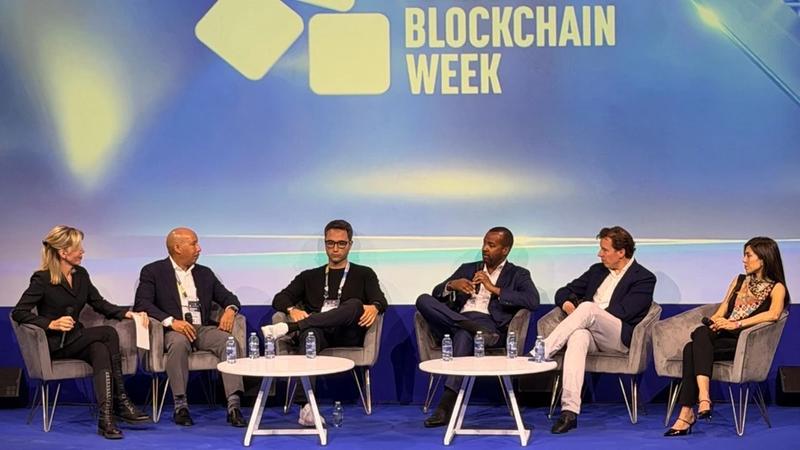
Cointelegraph previously reported that market participants speaking at Paris Blockchain Week this month emphasized that placing assets onchain does not inherently render them tradable or suitable for deployment within financial markets.
Structural limitations continue to affect tokenized real-world assets, with liquidity and settlement speed presenting particular challenges.
"I think there's still this idea that tokenizing something illiquid will somehow magically make it a liquid asset, which is just not true,"
Oya Celiktemur of Ondo Finance during a panel hosted by Cointelegraph
Concurrently, the DeFi lending sector has experienced expansion alongside increasing institutional interest and the progressive integration of RWAs as collateral. Data from Binance Research indicates that the sector achieved 72% year-over-year growth through September, with institutional adoption of stablecoins and tokenized assets serving as partial drivers of this development.