Paul Atkins' first year as SEC chair marks dramatic shift in cryptocurrency regulation
Under Atkins' leadership, the agency has withdrawn numerous enforcement actions targeting digital asset firms, though regulatory clarity remains pending as lawmakers debate crypto market structure legislation.
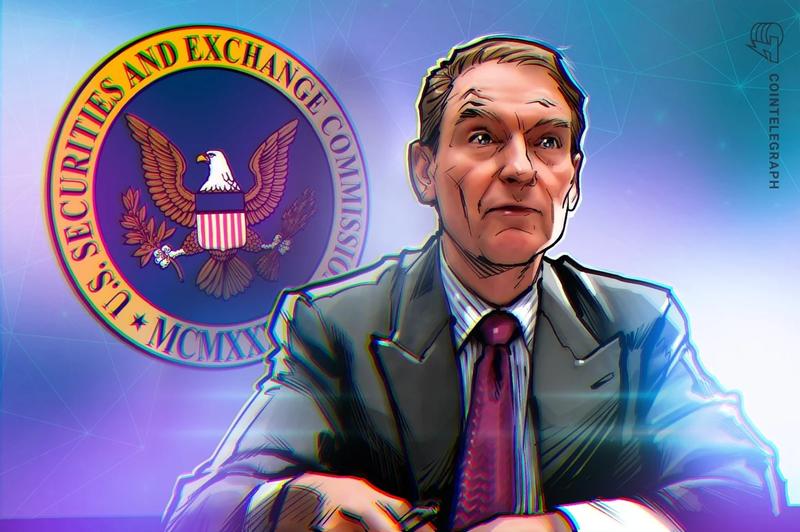
The US Securities and Exchange Commission (SEC) has undergone a dramatic transformation in its approach to digital asset regulation and enforcement since Paul Atkins took the oath of office as chairman on April 21, 2025. This represents a substantial departure from the regulatory philosophy employed under former chair Gary Gensler's tenure throughout the Biden administration.
Throughout his 2024 campaign for the presidency, Donald Trump pledged to the cryptocurrency sector that he would oust Gensler from his position. Additional commitments included establishing a Bitcoin (BTC) strategic reserve at the national level and blocking any efforts to launch a central bank digital currency in the United States.
Trump's victory in the November 2024 election resulted in Gensler stepping down in January 2025, followed by the temporary elevation of SEC commissioner Mark Uyeda to the role of acting chair of the financial watchdog pending Senate confirmation of Atkins as Trump's chosen candidate to helm the commission.
Prior to the Senate's confirmation vote for Atkins, the SEC had already begun telegraphing a transformation in its cryptocurrency regulatory and enforcement strategy under the Trump administration. Uyeda supervised the establishment of a dedicated crypto task force at the SEC with Commissioner Hester Peirce at its helm, and the commission commenced dismissing civil enforcement proceedings and investigative matters involving cryptocurrency firms, beginning with Coinbase in February.
Throughout the initial 12 months of Atkins serving as chairman, the SEC has advanced policies and regulatory frameworks that observers broadly consider advantageous to the cryptocurrency and blockchain sectors.
Beyond concluding enforcement proceedings, the commission has greenlit numerous exchange-traded funds linked to different digital assets, executed a memorandum of understanding with the Commodity Futures Trading Commission (CFTC) concerning coordination on digital asset oversight and released an interpretative guidance indicating that the majority of cryptocurrencies should not be classified as securities under federal securities laws.
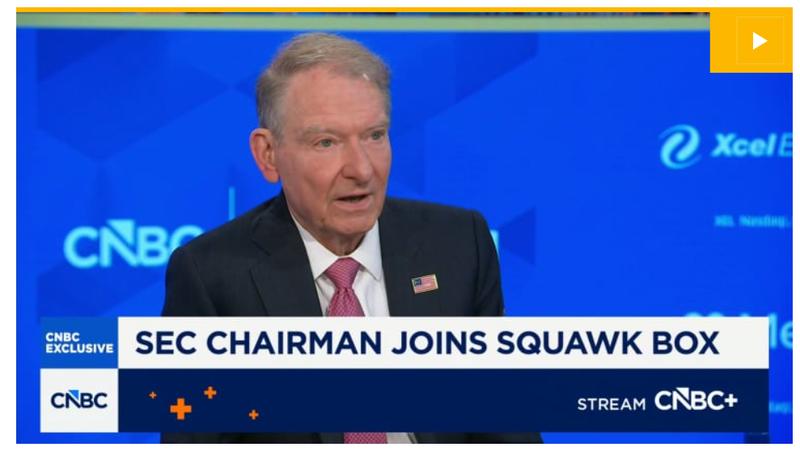
"A year goes by quickly, but we've made huge progress, I think. I promised a new day at the SEC when I came aboard, and we have. We've pivoted from the old practice of regulation through enforcement and the opaqueness of the agency, as, for example, with crypto."
Paul Atkins, SEC Chair, in a Monday CNBC interview
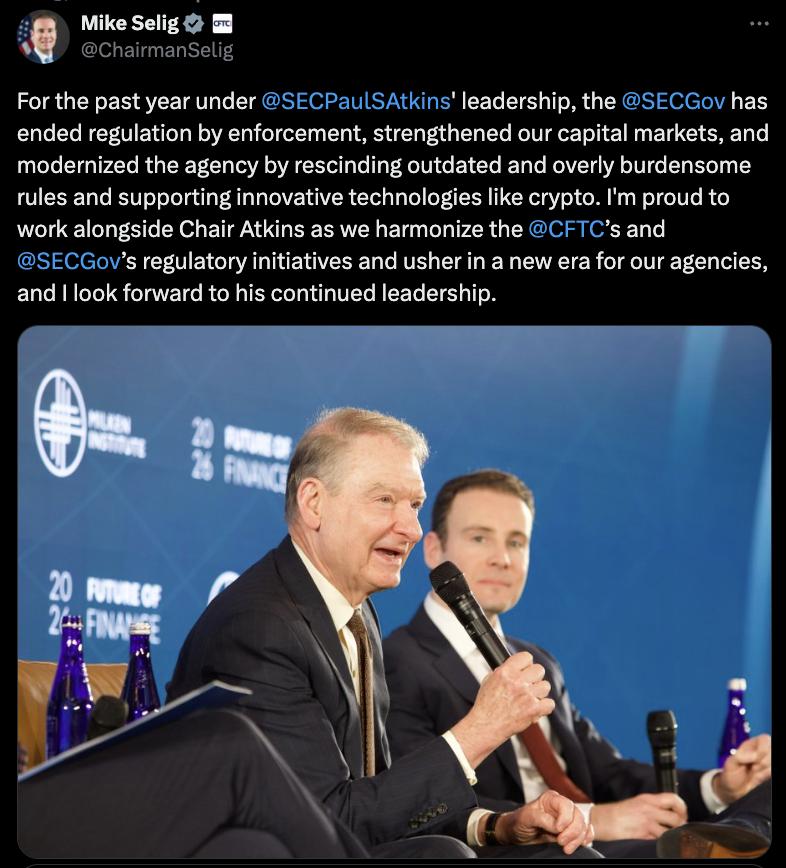
SEC chair faces scrutiny from Democratic lawmakers
Although numerous participants in the cryptocurrency industry have praised Atkins' methodology regarding digital assets since assuming his position, Congressional Democrats have leveled criticism at both the SEC and its chair over possible conflicts of interest in connection with terminated investigations and enforcement proceedings against entities associated with Trump and members of his family.
In the previous week, Massachusetts Senator Elizabeth Warren charged the SEC chair with providing misleading testimony to Congress during his appearance before a House committee in February. In a letter dated April 15, Warren asserted that the SEC's own statistics from the 2025 fiscal year demonstrated that the agency had pursued fewer enforcement actions than during any period across the preceding 10 years.